
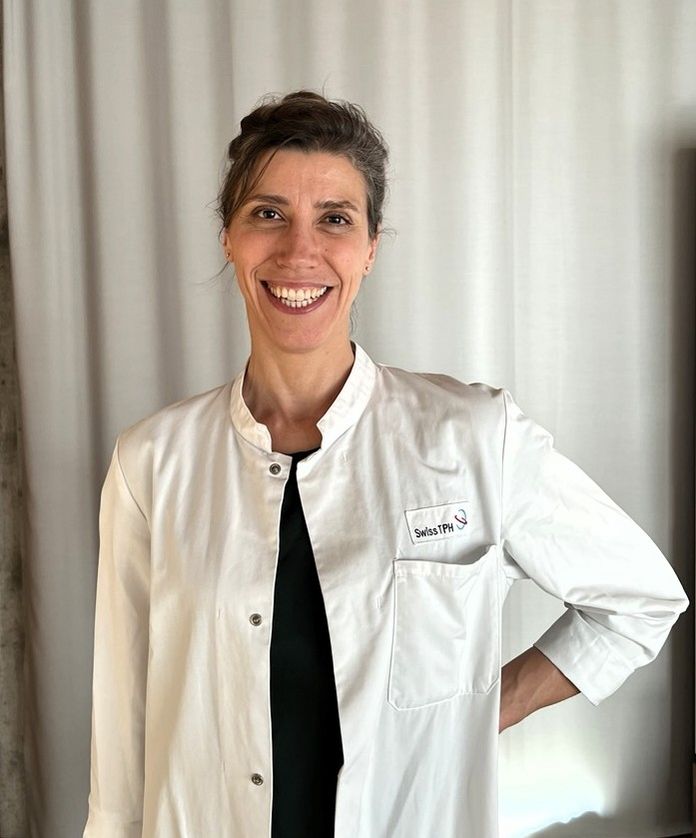
Rosalie Zimmermann’s fascination with distant places led her to a career in tropical and travel health. Today, she draws on her clinical background, field experience, and vaccination expertise to guide patients and travellers at the Swiss TPH Centre for Tropical and Travel Medicine. In this People of Swiss TPH interview, she reflects on her path, her work, and the challenges she encounters in her daily practice.
Please introduce yourself. How did you come to Swiss TPH?
My fascination with far-away countries started when I was a child, marvelling at the beautiful photos and devouring the reports in Geo magazine about mysterious rainforests and foreign cultures. During my studies in medicine, I heard about helminth cycles and man-made malaria in my parasitology lectures at the University of Basel – and I was completely fascinated. I started to focus on tropical diseases and later worked at the Centre for Tropical and Travel Medicine, and in different hospitals and health institutions in Switzerland, the Netherlands, Lao PDR and Suriname. Recently, I returned to Swiss TPH, where I now work as an attending physician at the Centre for Tropical and Travel Medicine and as a clinical microbiologist at the Diagnostic Centre.
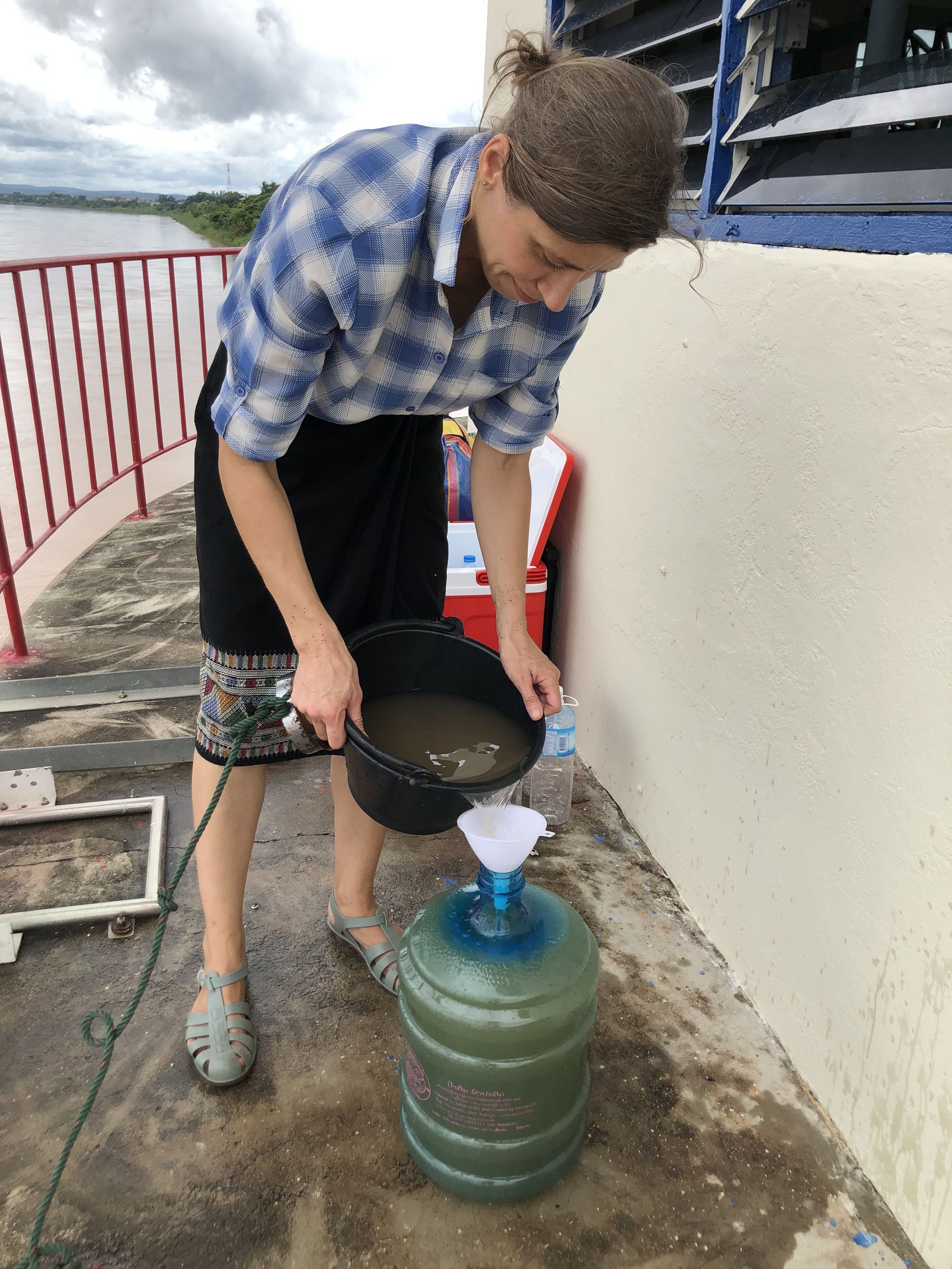
There was a period when I considered leaving medicine to pursue another dream: becoming a volcanologist. To finance those studies, I continued working as a doctor, and over time, the meandering course of life led me back to medicine. Volcanoes became a hobby, but geoscience and medicine can be combined very well in research, for example on the distribution of environmental pathogens such as Burkholderia pseudomallei, a topic which I worked on in Lao PDR.
As a physician at Swiss TPH’s Centre for Tropical and Travel Medicine, how does a typical day look like?
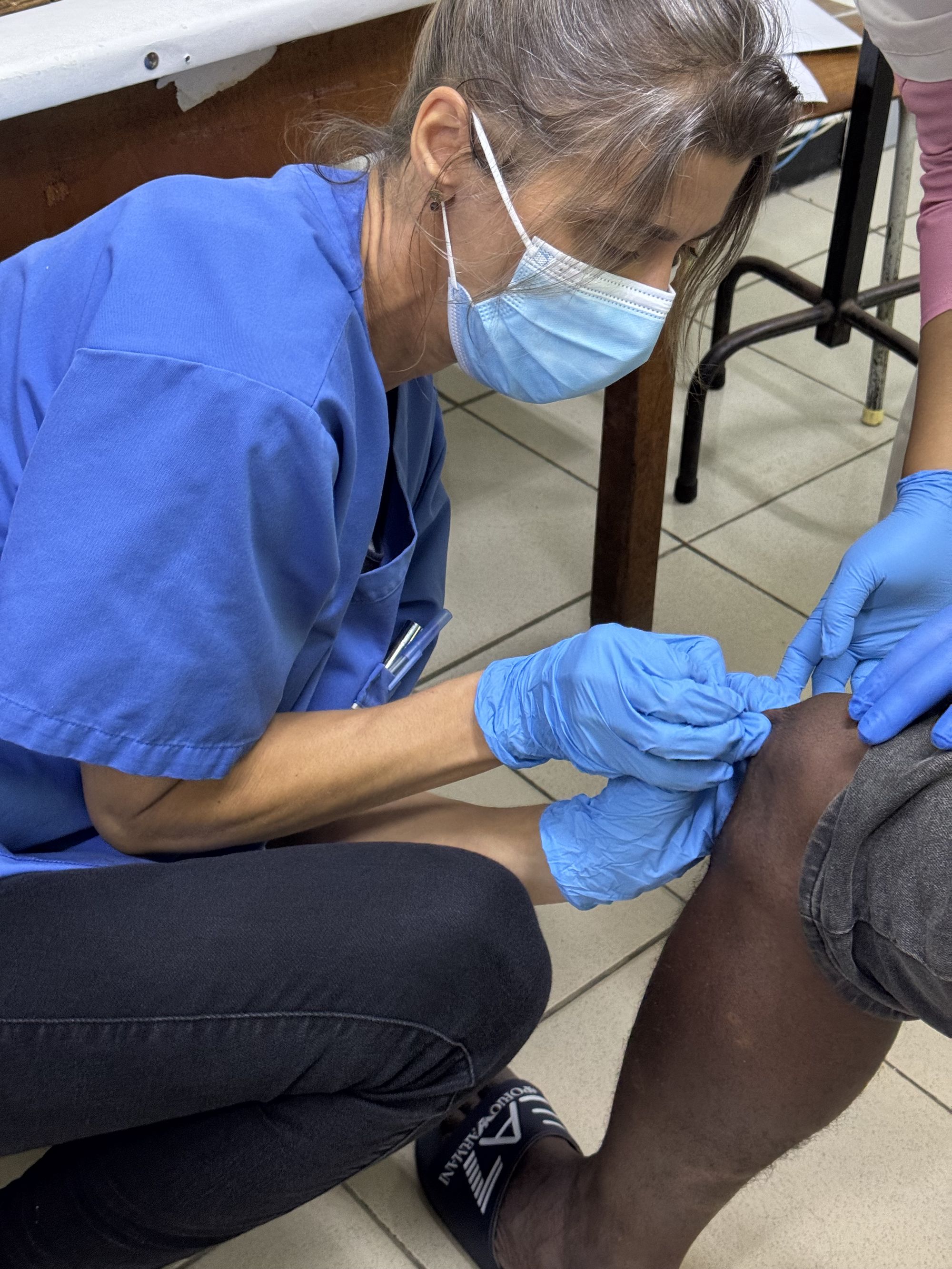
Every day is different. I see patients returning ill from the tropics or colleagues from the Swiss TPH coming in for an entry check – or I provide background support for our team, for travel-medicine clients with special risks, or for colleagues who are managing patients with tropical diseases. I also assist with travel consultations when needed.
What motivates you to work at Swiss TPH?
Being able to work in the field that fascinates me most – tropical infectious diseases – and to combine clinical work, laboratory diagnostics, and research is a great opportunity. And, of course, the nice colleagues and international atmosphere! I’ve been working at Swiss TPH on and off for almost 19 years, and it still feels like home.
Travel medicine is a big part of your work, but you also offer routine vaccinations. Which vaccines are particularly important?
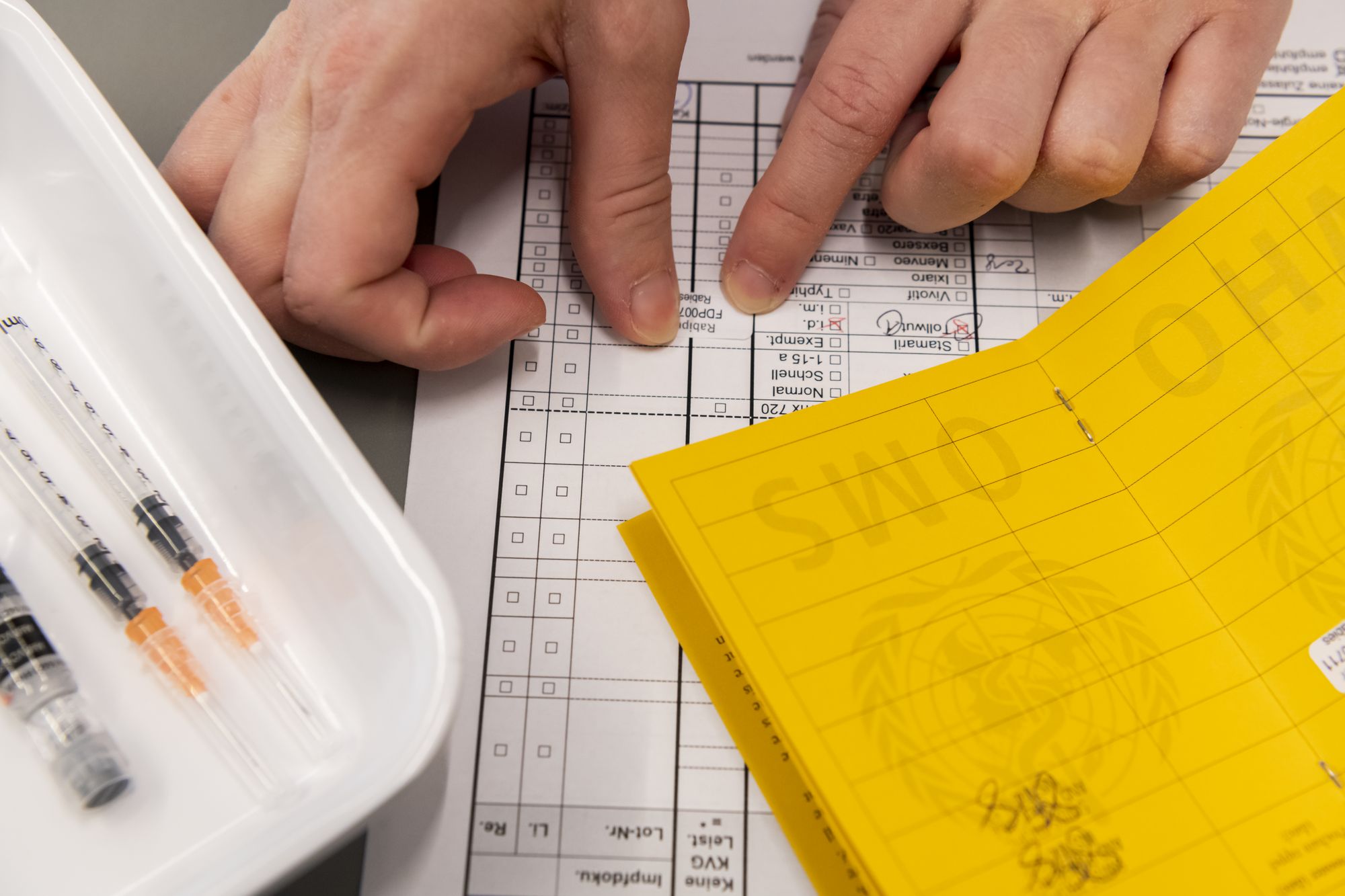
Basic immunization remains important. These vaccinations protect against potentially devastating diseases, something we tend to forget because they have become rare – thanks to widespread immunization. If even a relatively small percentage of people stop getting vaccinated against infections like measles, outbreaks will occur, disproportionally affecting the most vulnerable: young children, pregnant women, and people who are immunocompromised. With commuting, travel and migration, these diseases can spread rapidly.
There are hesitancies about vaccines. How do you experience and approach that in your work?
This is something I encounter almost every day. Our vaccination recommendations are based on weighing the severity of a disease and the risk of contracting it against the risk of severe adverse effects from a vaccine, using both scientific evidence and extensive clinical experience. For many clients, providing comprehensive information helps them decide whether to get vaccinated. But if strong anti-vaccination beliefs are involved, discussions can be unproductive. In such cases, the most appropriate approach – at least during a travel consultation – is to document that the vaccination was recommended, but the client declined.
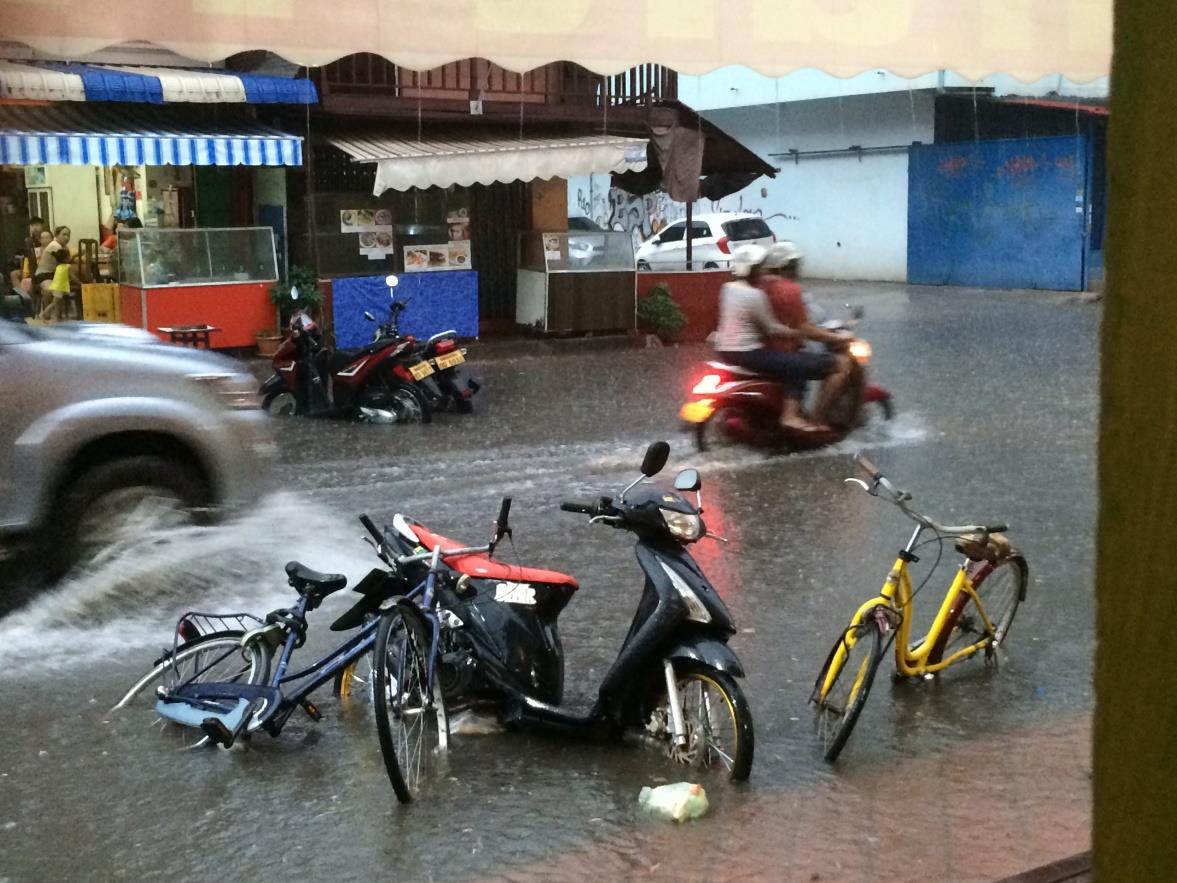
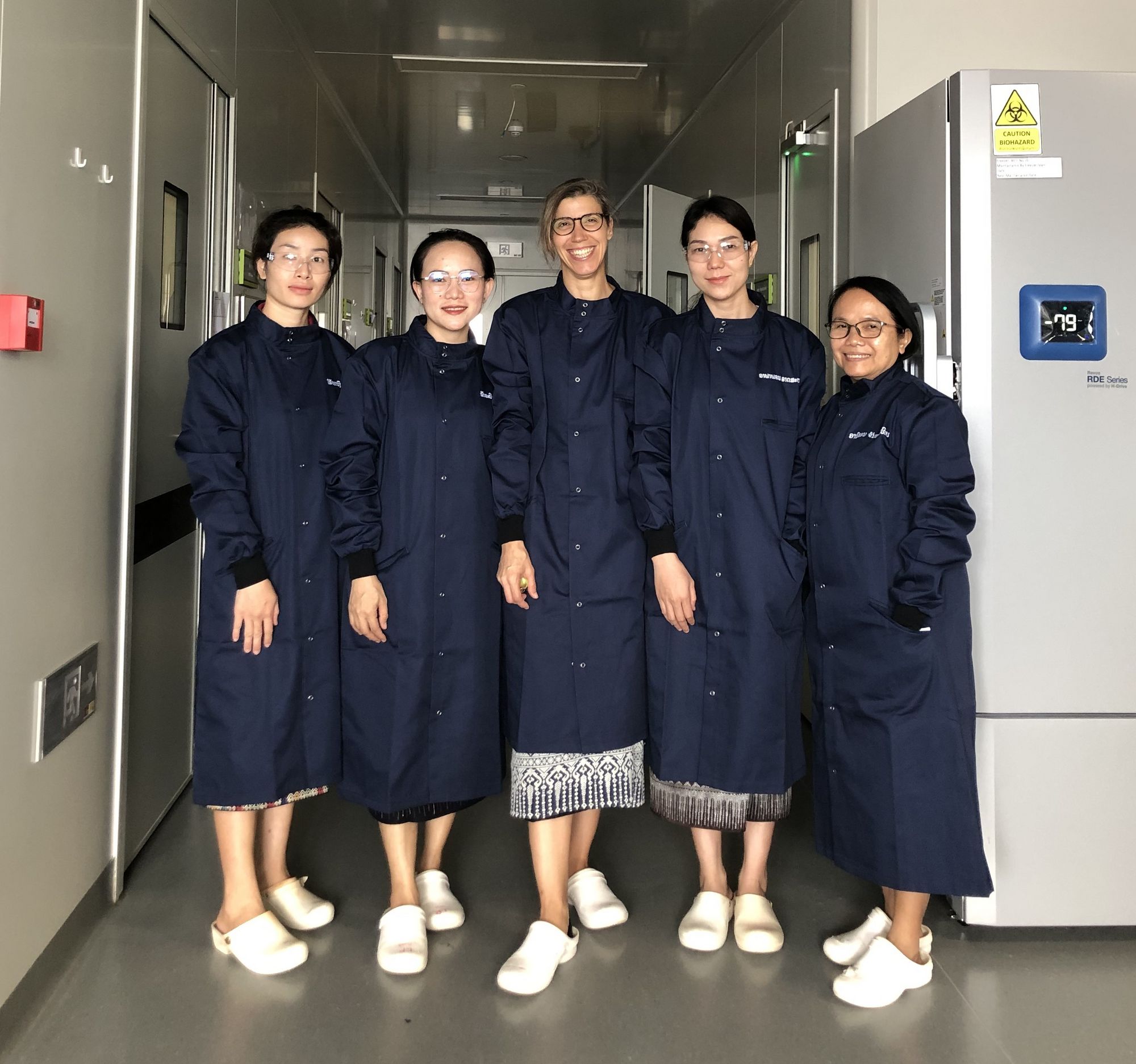
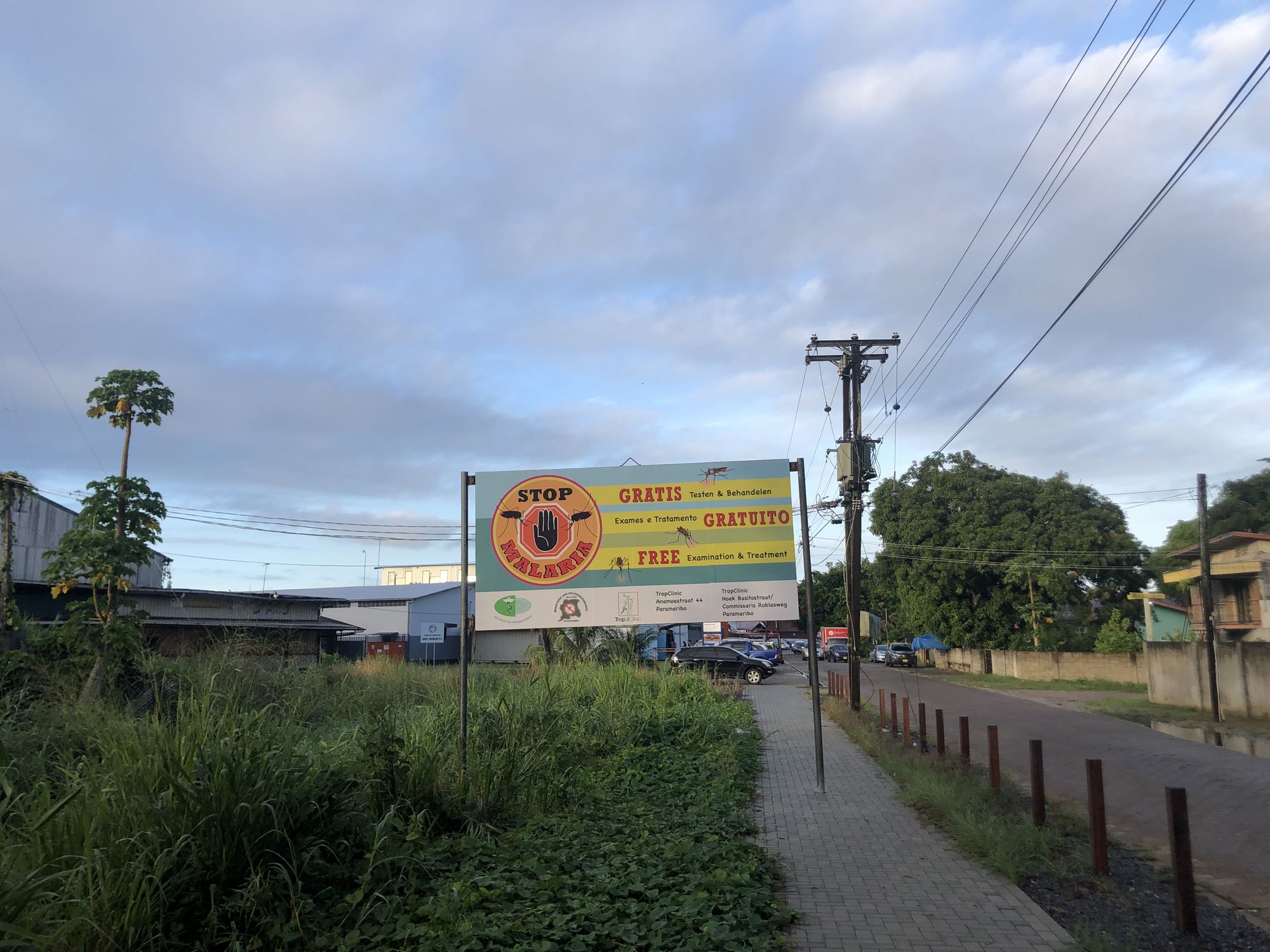
You’ve worked in places as varied as Lao PDR, Suriname, and Amsterdam. How have these experiences shaped your perspective on global health?
We often forget how privileged we are to have a well-functioning health system in Switzerland that provides care for everyone. In many parts of the world, this is not the case, due to socioeconomic and educational inequalities, civic unrest and political corruption that perpetuate them. In my experience, external support for improving healthcare is only sustainable when responsibility for addressing these conditions is taken from within. Meanwhile, the highly specialized and expensive health care of Switzerland might benefit from a more central role of general practitioners – and a pinch of pragmatism.
Which recent finding or medical development impressed you?
Finally, an all-oral, effective and well tolerated treatment for sleeping sickness has been approved , replacing the previously used toxic injectable drugs. I hope that similar advances will soon be made for Chagas disease – and for leishmaniasis, a neglected parasitic disease transmitted by sand flies that is likely to spread with climate change.
What’s one thing you never travel without?
A Swiss pocketknife