
Years of shared work help institutions understand one another’s priorities and build confidence in each other’s expertise. The learning runs in both directions: Swiss institutions equally gain knowledge and experience that can strengthen their own research and practice.
Science diplomacy is not a new idea. Its relevance, however, becomes particularly clear when geopolitical tensions make it harder for countries to address shared challenges together. Switzerland, with its superb ecosystem in health and the life sciences and its long tradition in the humanities, is in a unique position to support these relationships while preserving the trust and scientific independence on which they depend.
Shared science creates room for dialogue
At Swiss TPH, international cooperation often begins with a shared public health challenge – be it how to prevent the spread of mosquitoes that transmit diseases such as dengue and malaria or how to tackle air pollution to improve people’s health and well-being. Defining the agenda and working towards setting-specific solutions creates opportunities for dialogue [1]. Over time, this connects institutions and decision-makers who might otherwise have little contact.
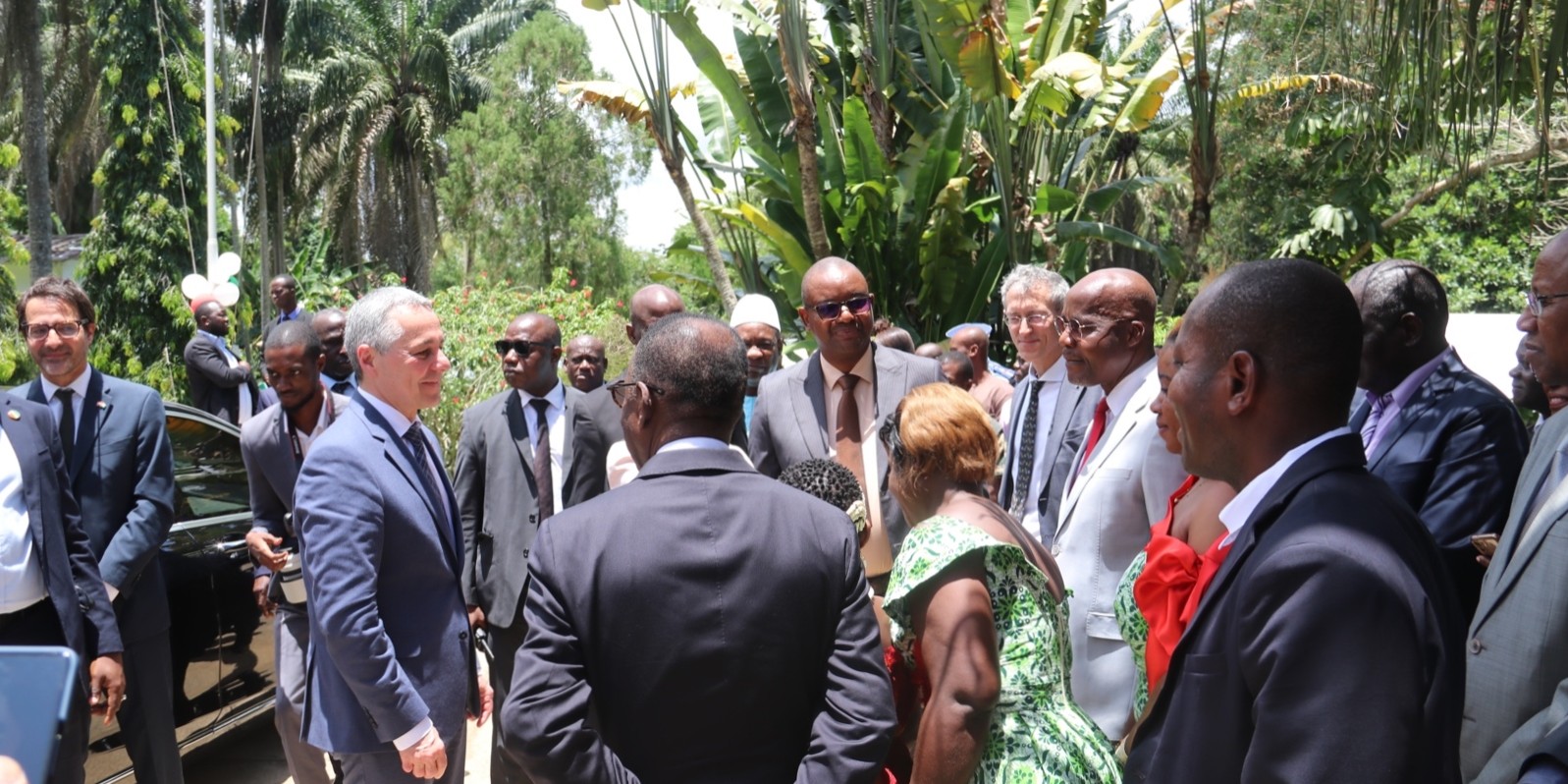
The Centre Suisse de Recherches Scientifiques en Côte d’Ivoire (CSRS) offers a concrete example. Founded in 1951 as a small Swiss research station, it has grown into a major research institution in West Africa under joint Ivorian and Swiss oversight, with Swiss TPH and the Swiss Academy of Sciences (SCNAT). In 2006, during Côte d’Ivoire’s political crisis, the centre helped bring about a scientific cooperation agreement between the two countries [2].
Long-standing partnerships can also bring scientific expertise into Switzerland’s international cooperation. Swiss TPH has worked with Ukrainian partners since 1997 to strengthen primary and public health services, professional education and generate scientific outputs with several universities. In a recent example, together with the charitable foundation Patients of Ukraine, we combined research evidence with consultations involving Ukrainian authorities, health professionals, patients and veteran groups [3]. This work helped identify priorities for the Trauma Rehabilitation for Ukraine project, funded by the Swiss Agency for Development and Cooperation.
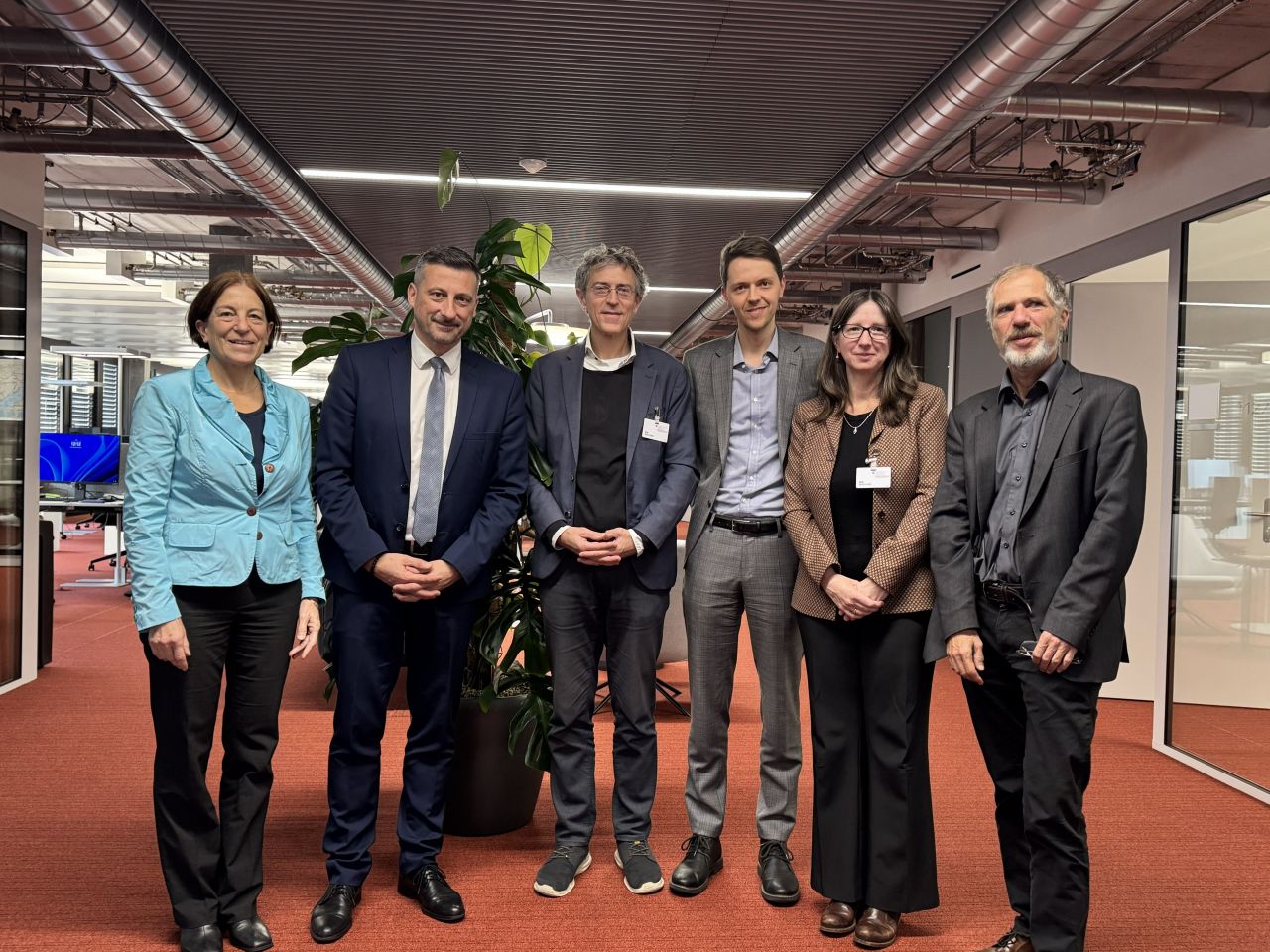
These partnerships also provide a basis for dialogue with decision-makers in both Ukraine and Switzerland. In an exchange with Ambassador Jacques Gerber, the Federal Council’s Delegate for Ukraine, we discussed mental health and rehabilitation, drawing on science and practical experience gained through this long-standing collaboration. These connections can help the two countries develop a shared understanding of needs, areas for mutual learning, thus identifying where their cooperation can make the greatest contribution.
The diplomatic value of these relationships rests on trust jointly established and nurtured through years of shared work. Preserving this trust requires a clear commitment to the priorities of the local communities and institutions involved. If collaboration becomes primarily a means of securing political access or advancing one partner’s own agenda, we risk weakening the relationships that make it valuable.
The diplomatic reach of education
Education builds relationships with a similarly long horizon, keeping scientific institutions and public decision-makers in contact long after a degree is awarded. A former classmate or colleague can provide a starting point when public officials need scientific advice or researchers need to understand which questions matter to a ministry.
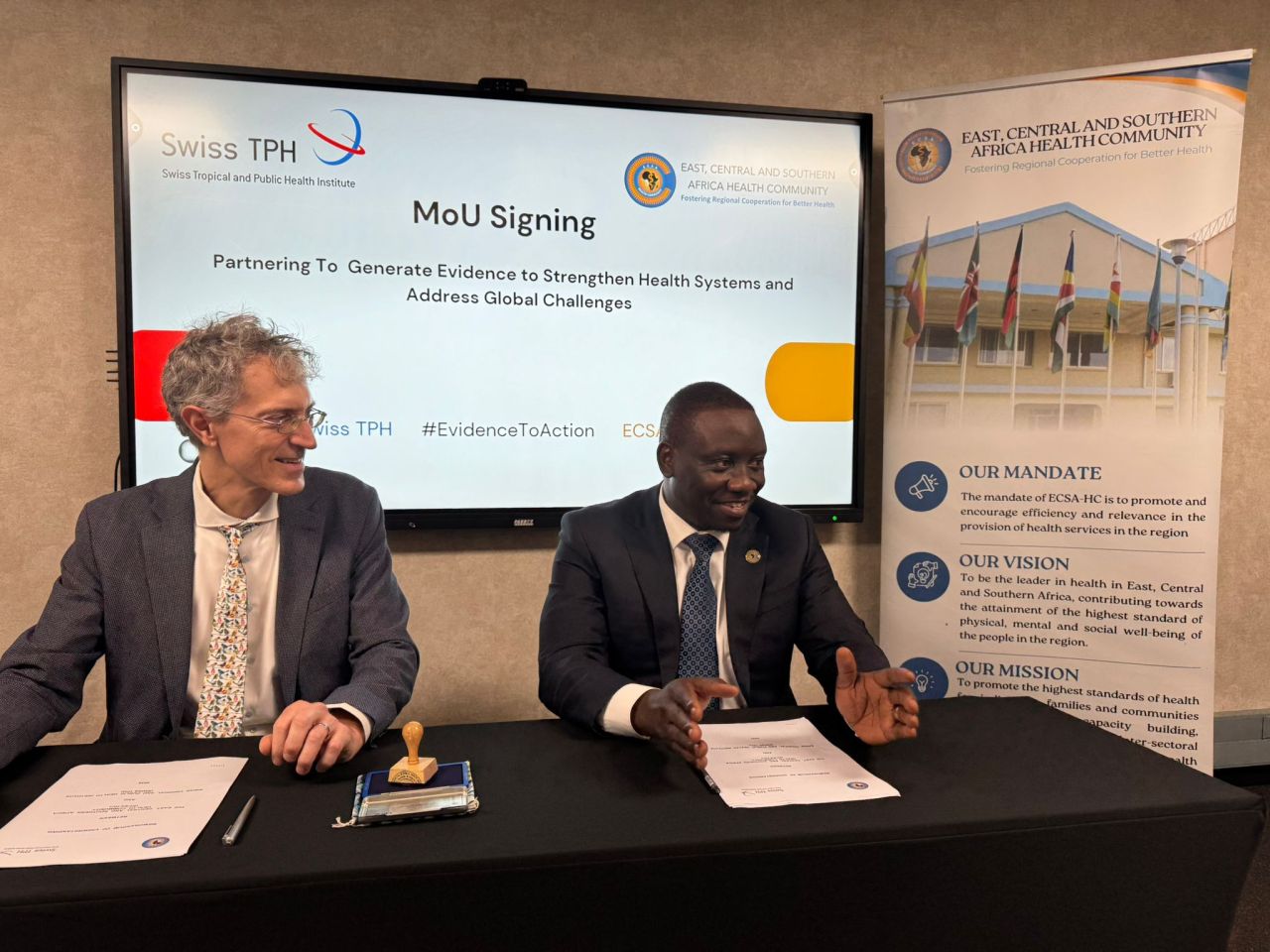
Ntuli Angyelile Kapologwe, an alumnus of Swiss TPH’s MBA in International Health Management, now leads the East, Central and Southern Africa Health Community, ECSA-HC. In February this year, our institutions signed an agreement to strengthen collaboration in research, training and health systems. His connection with Swiss TPH is now part of a wider institutional relationship.
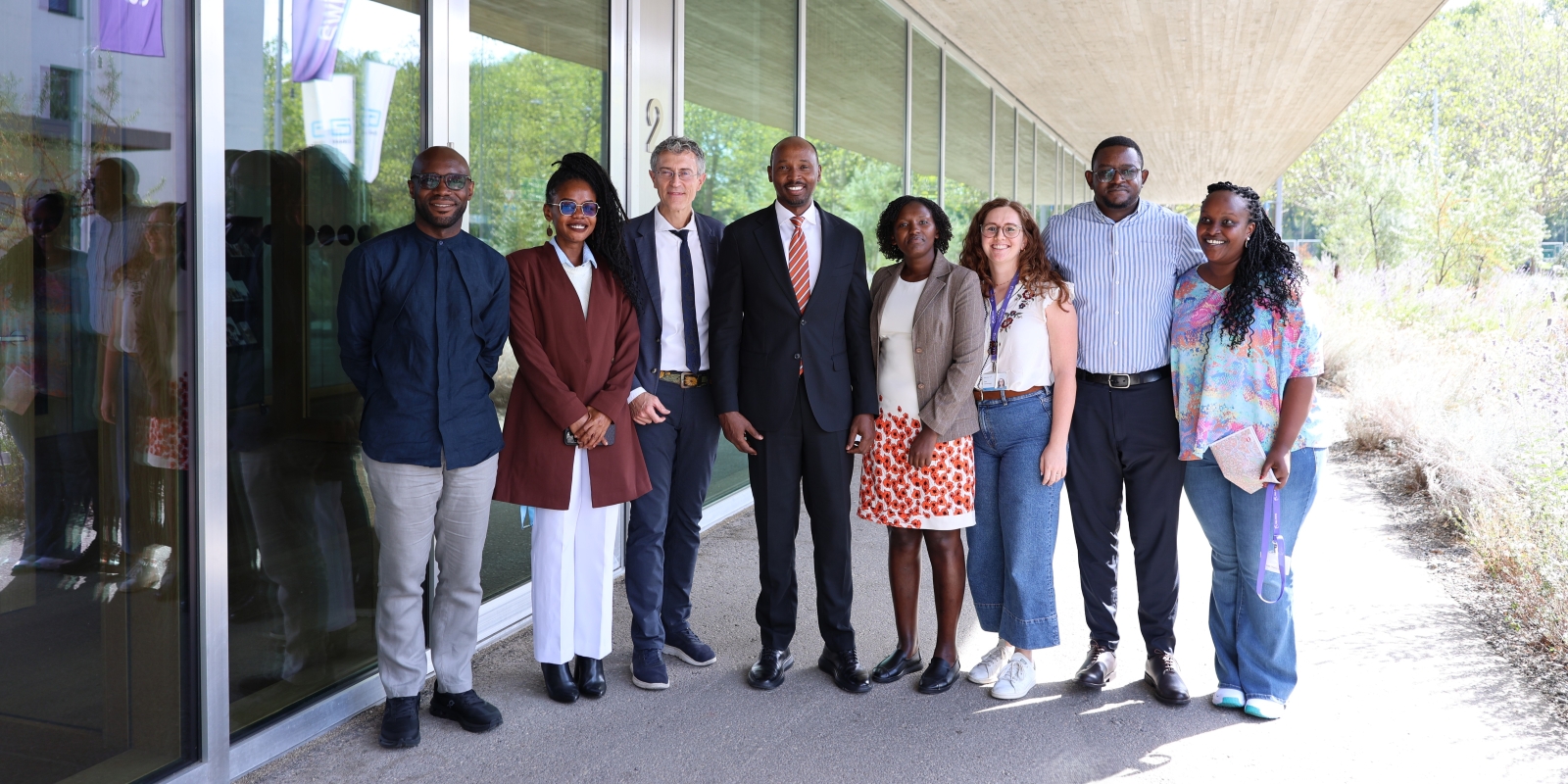
Sabin Nsanzimana, Rwanda’s Minister of Health, pursued his PhD at Swiss TPH and the University of Basel. When he recently returned, we discussed Rwanda’s health priorities and opportunities for further collaboration. During his visit, he also met Rwandan master’s and doctoral students at Swiss TPH. Such visits connect current students with alumni and allow us to learn from colleagues who now help shape national health policy.
Swiss institutions also gain insight into approaches and experiences that challenge their own thinking. The return on investment in education therefore reaches far beyond the qualifications awarded. It includes the ability to keep exchanging knowledge as people move between research, public service and leadership.
Strategic partnerships need shared leadership
Calling a partnership strategic should mean that partners shape its purpose together and have a clear understanding of what each contributes and gains. This shared agenda helps scientific cooperation address priorities that the institutions and governments involved have reason to support.
Organisations such as ECSA-HC bring their own mandate, relationships with health ministries and experience of cooperation between countries. Swiss research institutions bring complementary expertise. Defining priorities together helps connect this expertise with questions that governments need to answer. It can also give scientific findings a clearer route into regional decision-making.
Shared leadership must therefore extend to decisions about resources and how findings are used. Partner institutions need the capacity to help steer the work and put its results into practice.
Development cooperation has helped build many of these relationships. As partnerships develop, funding should reflect the objectives partners have agreed and the institutional capacity needed to pursue them.
Making science diplomacy work
When Switzerland decides how to support research partnerships, it should look beyond the lifetime of an individual project. A collaboration that begins with a specific research question in the health or other sector can provide a basis for dialogue between institutions and governments years later. This potential deserves greater weight in decisions about research, education and international cooperation.
For research institutions and universities, funders and diplomatic services, I see three practical priorities:
- Connect research and diplomacy more systematically. Research institutions, universities, embassies and federal agencies should exchange regularly about existing partnerships, partners’ priorities and where diplomatic support could help.
- Invest beyond individual projects. Predictable funding should support education and institutional cooperation, including the exchanges that allow partners to keep working together as individual projects end to address the most pressing societal challenges and make an impact.
- Protect shared leadership and scientific independence. Partners should decide jointly which questions to pursue and how resources are used most effectively. Diplomatic support should help them advance this work while respecting their scientific independence.
We should also be clear about what we expect science diplomacy to achieve. The number of exchanges or agreements tells us little on its own. We should ask whether scientific knowledge is informing public decisions and whether working together has opened a conversation between institutions or governments that would otherwise have been difficult.
For Switzerland, this is a question of what kind of partner we want to be over the long term. The expertise we contribute matters. So does our willingness to listen, share responsibility and remain engaged when circumstances change. Our diplomatic strength grows when partners see what we can achieve together.