
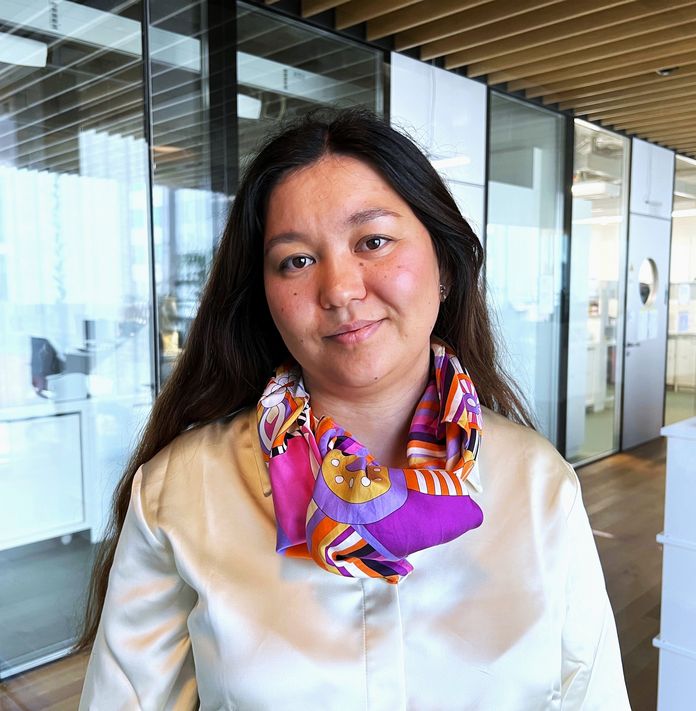
With 280 million new malaria cases every year – and drug resistance on the rise – we need effective new treatments. Anara Alshanbayeva and her team at Swiss TPH provide the molecular evidence to prove those treatments work and support clinical trials in getting these drugs to the patients in need.
What motivates you to work at Swiss TPH?
Two main things: my team and the meaningful global impact of our work.
First, I work with a highly supportive and well-aligned group, where communication is clear and execution is efficient. This kind of environment enables us to consistently deliver complex diagnostic analyses for large clinical trials.
Second, our work directly supports the development of new malaria treatments. This was something I was missing during my PhD, where the connection to patients was less visible. In my current role, I can clearly see how our outputs contribute to clinical decision-making and ultimately to patient outcomes.
Given there are ~280 million new malaria cases worldwide, with a significant burden (~80%) in children, being part of this effort is both motivating and meaningful.
What are you currently working on and what excites you about it?
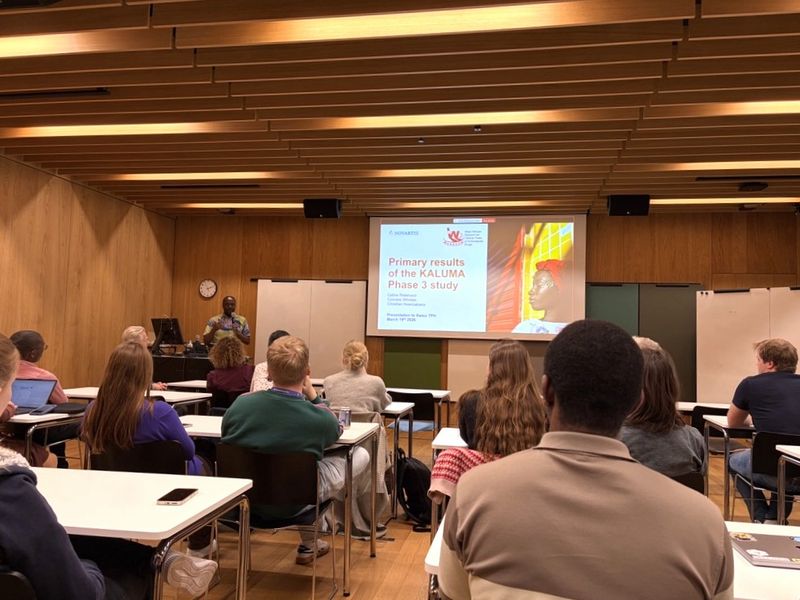
What excites me most is the recent successful completion of the KALUMA Phase III trial with Novartis. Our team supported the trial through its clinical phases, and it is very rewarding to see that the study reached its primary endpoint and is now progressing toward regulatory approval and reaching the patients in need. Several teams within Swiss TPH have been involved across the full development journey of this drug, which makes the contribution even more meaningful.
At the moment, we are also involved in exploratory studies focused on advancing assay development. These projects are particularly exciting because they will position us at the forefront of setting scientific and technical standards in malaria diagnostics, with strong potental for future impact in the field.
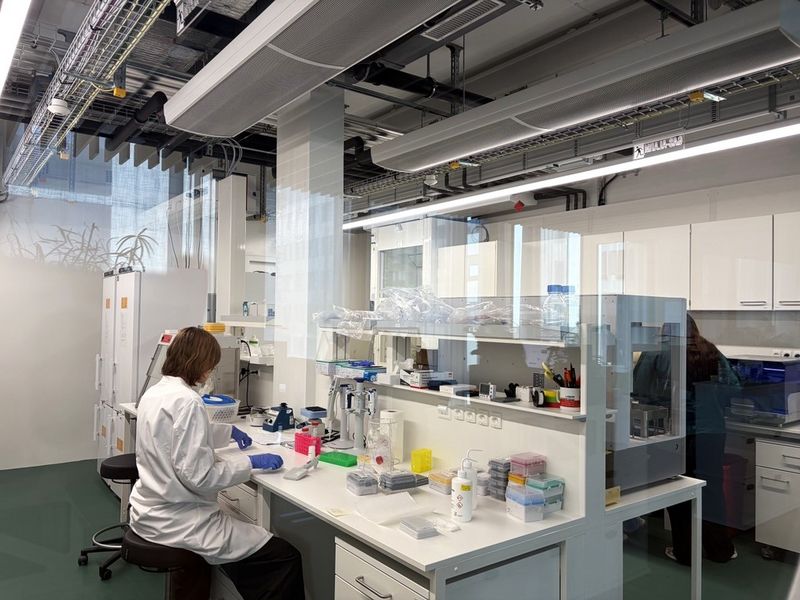
What makes genotyping an important tool in malaria research and drug development?
Genotyping gives researchers a molecular-level view of the malaria parasite that traditional microscopy cannot provide. In drug development, genotyping provides the molecular resolution needed to accurately assess treatment outcomes: We can distinguish between treatment that has failed to clear the infection, so called recrudescence, versus patients who have been reinfected with another parasite after treatment, so called new infection. Genotyping also enables tracking of key resistance markers, in line with guidance from the WHO, to monitor whether the parasite is developing resistance to a drug.
In contrast, traditional microscopy is highly dependent on the individual analysing the sample, lacks standardisation, and struggles to detect infections when parasite levels in the blood are low – making it unreliable in situations where accurate data is critical. More sensitive and specific molecular methods such as PCR-based genotyping and sequencing are required to detect low-density infections and generate robust, reproducible data for both clinical trials and malaria surveillance.
Your work relies on close collaboration – both within your team and with external partners such as pharmaceutical companies. What contributes to the success of these collaborations?
What makes collaboration work well, both internally and externally, is a combination of team culture, alignment on goals, and complementary expertise.
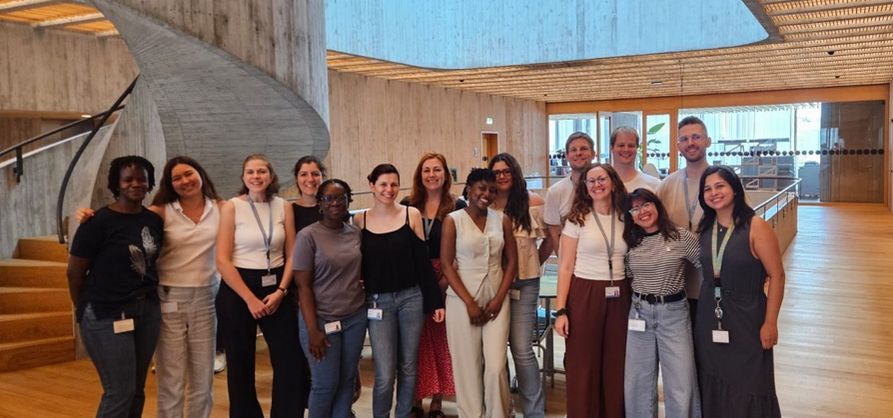
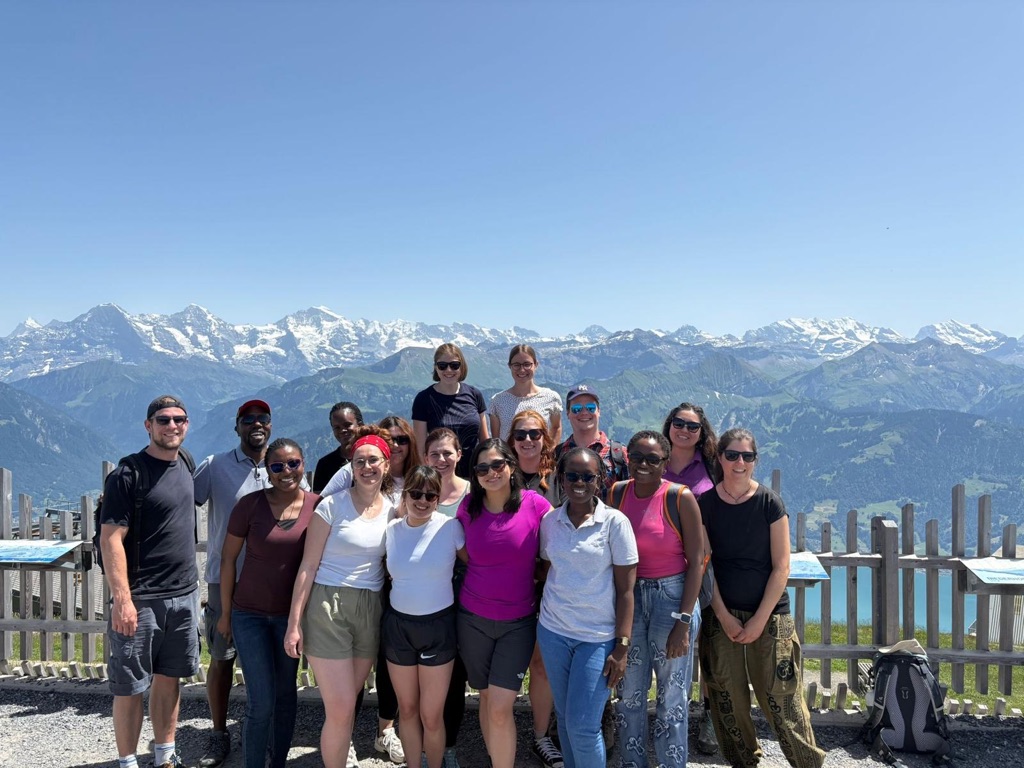
Within the team, one of our key strengths is diversity. We have an international team with members from different backgrounds. This diversity creates an open and inclusive environment, where there is strong mutual understanding, knowledge sharing, and mentoring. It also builds a very collaborative team spirit, which makes it easier to work together and solve challenges efficiently.
With external partners, such as pharmaceutical companies, what makes collaboration work well is a clear alignment on the end goal. We all work toward generating high-quality data and, ultimately, supporting the development of treatments that can reach patients in need. In addition, there is a valuable two-way exchange of expertise – we contribute our experience in diagnostics and routine lab operations, while also learning from our partners about the complexities and challenges of running large clinical trials.
What development in genotyping do you find particularly exciting or promising?
Several developments are particularly exciting at the moment, both on the therapeutic and diagnostics side. On the therapeutic front, there are promising advances such as new compounds that not only treat malaria but also have the potential to block transmission, which could be a major step toward reducing spread at the population level. In parallel, multiple groups are making progress on malaria vaccines, which could further transform prevention strategies.
From a diagnostics perspective, there are still important limitations with traditional PCR-based genotyping methods, particularly when it comes to sensitivity and meeting the standards required by regulatory authorities such as the US Food and Drug Administration, that ask for more robust approaches. One of the most promising developments is amplicon-based sequencing, a next-generation method that can detect even very small numbers of parasites in a blood sample, performs well across both high- and low-transmission settings, and requires significantly less input material – an important advantage when samples have low parasitaemia.
What is one thing people might be surprised to learn about your work?
One aspect that often surprises people is the timeline and uncertainty involved in clinical trials. Depending on the study, it can take several years to reach completion, and even then, successful outcomes are relatively rare. Against this backdrop, our team delivered primary endpoint analyses for two Phase II and one Phase III trial within a single year (2025), while simultaneously validating new assays and managing all associated reporting, financials, audit and inspections as well as operational activities – highlighting a strong level of efficiency and execution within the team.
Another surprising element is how multidisciplinary my role is. While it may appear purely scientific, my work sits at the intersection of laboratory analytics, team management, quality and regulatory compliance involving audit and inspection-readiness, data reporting, financial and capacity planning, and client-facing collaboration with sponsors. This breadth means no two days are the same and requires constant switching between strategic, operational, and scientific perspectives.