
Parasite Chemotherapy
The Parasite Chemotherapy group conducts drug discovery research targeting the protozoan parasites responsible for major neglected tropical diseases. Our work is guided by the aim of identifying and advancing new therapeutic candidates for malaria, Chagas disease, African trypanosomiasis, leishmaniasis and certain parasitic diarrhoeal diseases.
Drawing on over three decades of experience, we combine assay development, drug efficacy testing, and mechanistic studies to discover new antiparasitic agents and promote their preclinical development.
Our research focus
Drug discovery for protozoan parasites
We function as an in vitro and in vivo screening centre for hit discovery and hit-to-lead development against protozoan parasites including Plasmodium, Trypanosoma, and Leishmania species.
Assay development and preclinical testing
We design primary endpoint assays and secondary, more advanced assays for preclinical drug R&D including IC50 determination, live high-content imaging, in vitro pharmacodynamics, and disease-relevant animal models.
Mechanisms of drug action and drug resistance
We are combining cell biology, molecular genetics and omics technologies to elucidate how drugs can selectively kill the parasites (but not our own cells), and how the parasites can become drug resistant.

Selected projects and research platforms
Protozoan parasite drug screening platforms
Development and application of in vitro and in vivo screening systems supporting the identification and prioritisation of novel antiparasitic compounds.
Preclinical development of antiparasitic drug candidates
Experimental studies on efficacy, pharmacokinetics and resistance mechanisms to support progression of promising compounds towards clinical evaluation.
Collaborations and networks
We work closely with product development partnerships, academic institutions, pharmaceutical and biotechnology companies, and international organisations involved in antiparasitic drug development. Our partners include organisations such as the Medicines for Malaria Venture and the Drugs for Neglected Diseases initiative. Through these partnerships, we contribute our laboratory expertise, screening capacity, and mechanistic insights to the global efforts to discover drugs for neglected tropical diseases and malaria.
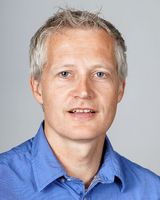 Matthias Rottmann
 Christin Gumpp
 Anja Schäfer
 Celina Michel
 Malenka Kunz
 Simon Feldkamp