
Systems Innovation Research
Population health is increasingly shaped by interconnected challenges, including demographic and epidemiological transitions, climate change, social inequalities, commercial pressures and political instability. Addressing these challenges requires moving beyond fragmented approaches towards a better understanding of how health interacts with wider systems.
Our group applies systems thinking and modelling to support evidence-informed policy and more adaptive health systems. We work across several areas of global and public health, including strengthening mortality information systems to support policy and decision-making.
Strengthening mortality systems to inform health policy
We work at the intersection of research, policy and global health guidance to strengthen mortality surveillance and civil registration and vital statistics (CRVS) systems in low- and middle-income countries. We contribute to global technical efforts, including WHO reference groups on verbal autopsy and health statistics and host the WHO Collaborating Centre for Verbal Autopsy.
Building on experience in more than 25 countries across Africa, Asia and Latin America, we use systems approaches to identify gaps and opportunities for strengthening CRVS and mortality information systems. Our work has contributed to global frameworks such as the “Ten CRVS Milestones” and, through initiatives including Bloomberg Data for Health, to implementation research that supports the generation and use of better mortality data for public policy.
Selected projects
WHO Collaborating Center for Verbal Autopsy
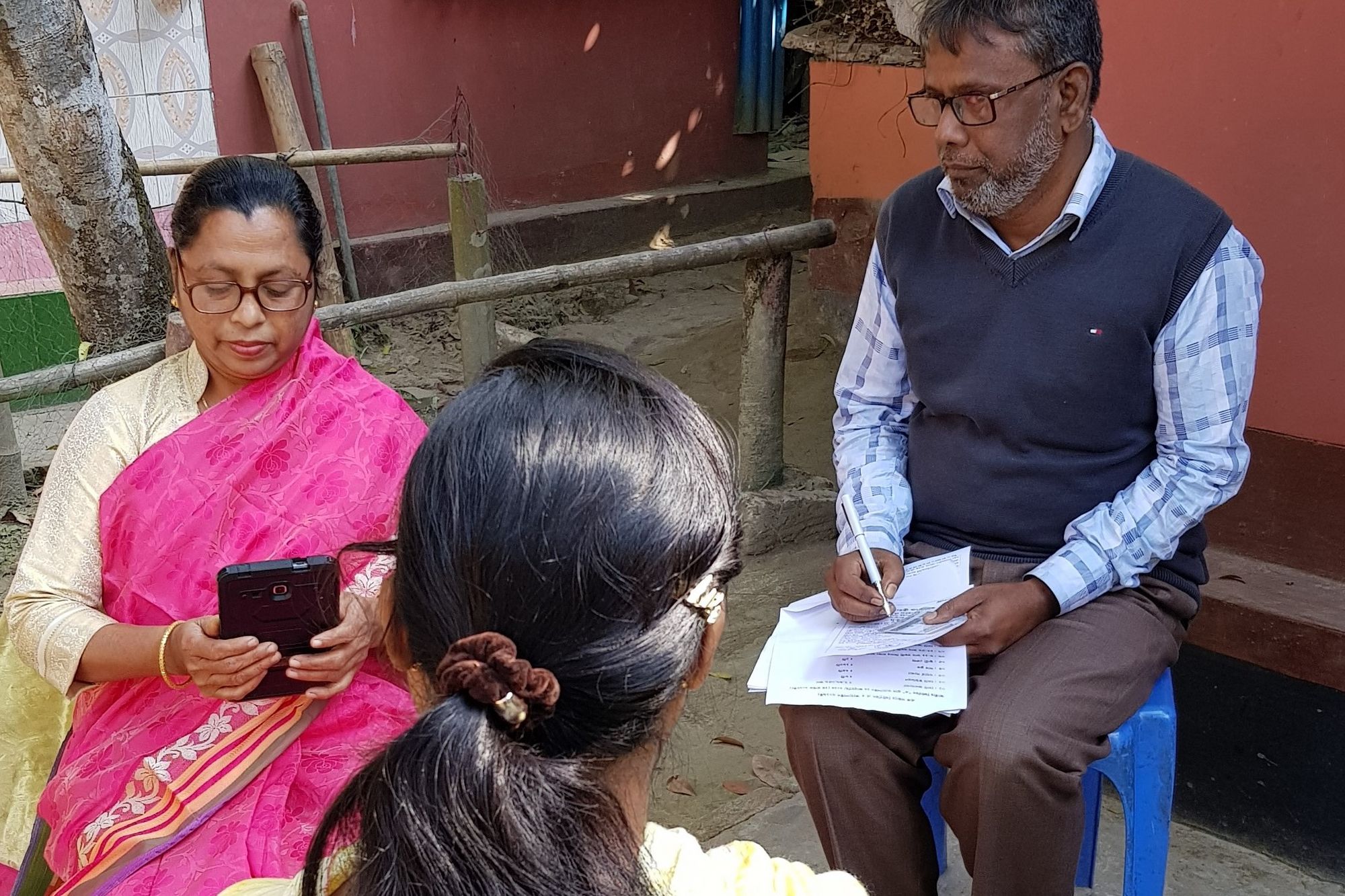
Verbal autopsy (VA) is an essential public health tool for estimating cause-specific mortality fractions for deaths without medical certification. Ideally, physicians use the standard medical certificate of cause of cause of death. In settings where this is not possible, VA is used to determine the cause through interviews with the deceased's next of kin or caregivers. Using a standardized questionnaire, information on symptoms, medical history, and circumstances preceding death is collected. Physicians or computer algorithms then interpret this data to ascertain the cause of death. → Read more
Computational modeling of cardiovascular risk interventions simulator, São Paulo, Brazil
The project developed a cardiovascular risk intervention simulator for hypertension management in São Paulo. Using system dynamics, it integrates feedback, delays and non-linear interactions to explore complex system behaviours. Quantitative and qualitative data, rigorous calibration and validation, and participatory model building with local stakeholders strengthened the simulator’s robustness and relevance. A user-friendly interface enables decision-makers to simulate scenarios, explore policy options and support experiential learning. → Read more

Continuous data collection for timely action
Vital Insights for Vital Action (VIVA) supports countries in strengthening mortality surveillance and turning timely, reliable data into action. Through practical tools for continuous mortality data collection, VIVA helps inform health policies, programmes and resource allocation, ultimately contributing to better health outcomes. → Read more

Health sector response to violence against women and girls (VAWG)
Violence against women (VAW) remains a critical global issue with significant implications for public health and societal well-being. Effective detection and response by the health sector are essential for mitigating the impacts of VAW, ensuring that survivors receive necessary care, and facilitating access to legal and social services. The MISSOP study aimed to investigate missed opportunities in the health sector's response to VAW in Tirana, Albania, and Belo Horizonte, Brazil, to identify systemic gaps and inform improvements in healthcare practices and policies. → Read more
 Patricia Arnaiz
 Rebeca Becedas Revenga
 Daniel Cobos Muñoz
 Don de Savigny
 Fatemeh Ehteshami
 Bahar Hassantabar
 Katarina Kebis
 Malilamphone Khamlome
 Pei Shan Loo
 Amilcar Magaço
 Nathalia Nino Giraldo
 Carmen Sant Fruchtman
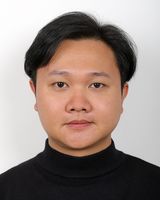 Thadsana Sayasone
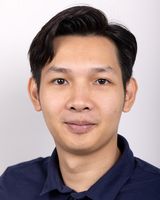 Soukvixay Sikhanxay
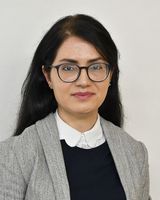 Maryam Tavakkoli
 Mai Phuong Trinh
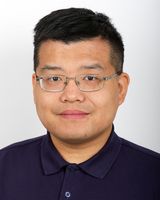 Wang Zhao
Partners and collaborators
Medico-Legal Death Investigation-International Community of Practice (MLDI-ICoP)
World Health Organization (WHO)