
Climate change
Droughts, floods, newly emerging pathogens: the effects of climate change are manifold. Swiss TPH experts study the health impact of climate change in various regions in Africa and Europe. They assess the influences of heat waves on mortality, monitor the spread of the tiger mosquito in the southern part of Switzerland or establish risk profiles of African communities affected by heavy flooding with a particular attention to vulnerability of water and sanitation systems.
Considerable health consequences due to climate change
Climate change is expected to negatively impact health and well-being in all countries of the world. It is estimated that by 2050, 6 billion people will be at risk of one or several of the ‘big 7’ climate-related diseases: malaria, haemorrhagic fevers, schistosomiasis, human African trypanosomiasis, Chagas disease, leishmaniasis and onchocerciasis. Swiss TPH applies interdisciplinary research linking climate science, disease trend forecasting, mitigation and adaptation strategies. Better protection of the most vulnerable populations requires collaboration among several research groups and partners in Switzerland and all over the world.
Selected projects

Climate resilience for a warming world
As rising temperatures and shifting ecosystems reshape disease risks, the Vontobel-CCHeSS programme investigates how climate change affects health in Switzerland and Côte d’Ivoire. From heat-related illness to vector-borne diseases, researchers work with local partners to track impacts, identify vulnerable groups, and uncover the mechanisms linking climate and health. The programme develops practical tools, forecasts, and strategies that strengthen primary care and help communities adapt, building resilience where it is needed most. Read more
Pollen, climate change and health
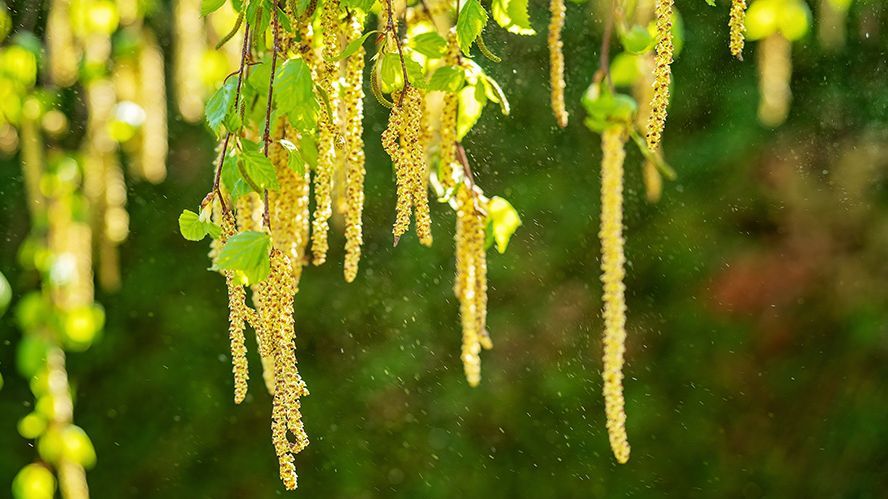
As climate change lengthens and intensifies pollen seasons, the health burden is rising. The EPOCHAL project investigated how short-term exposure to airborne pollen affects respiratory and cardiovascular health across Switzerland, and how these impacts interact with air pollution and weather. By combining nationwide health data with innovative symptom tracking and exposure modelling, the project generated new evidence to help reduce pollen-related illness and strengthen public health preparedness. Read more
Impact of climate change and urbanisation on maternal and child health
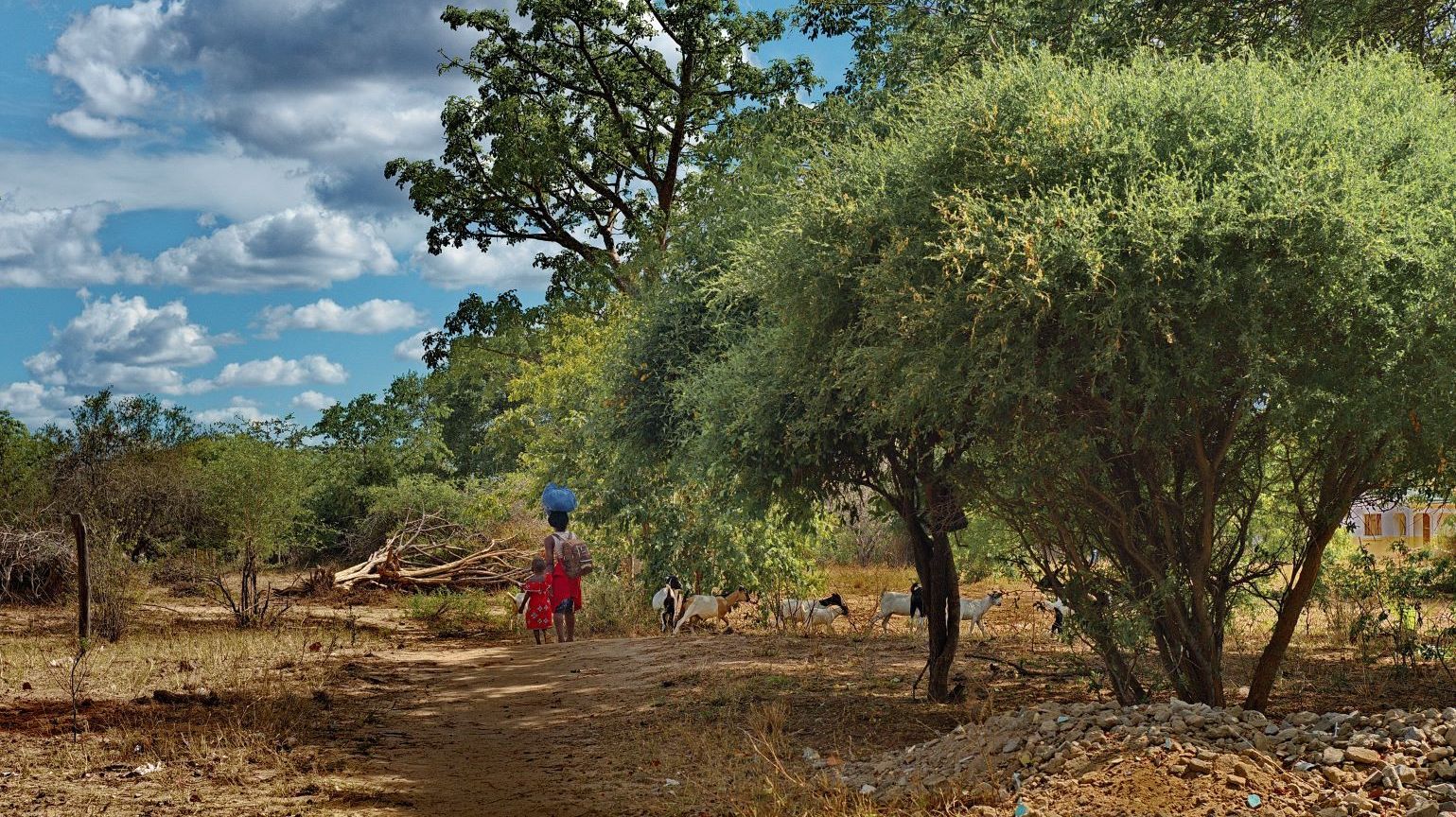
Climate change is transforming the world, and nowhere is this more evident than on the African continent. Mozambique in particular is facing extreme weather conditions, food insecurity, rapid urbanisation and a high health burden, disproportionately affecting women and children. The CliMaH project aims to analyse the impact of climate change on population trends and maternal and child health in Mozambique, while developing a generalisable assessment roadmap. Read more