
Please introduce yourselves.
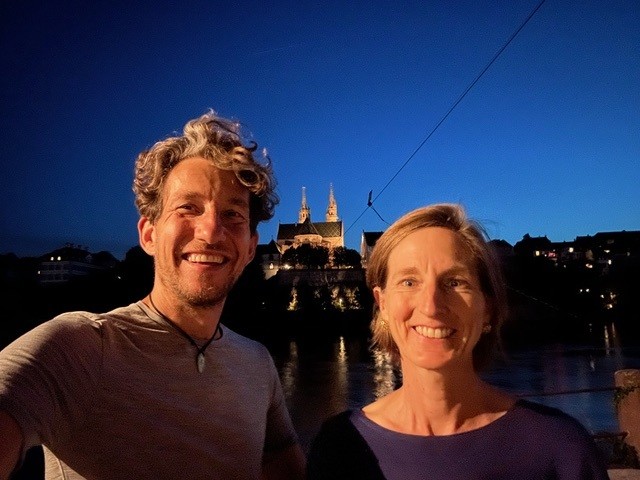
Jutta Ganzoni: Domenic and I completed the CAS in International Cooperation and Global Health (CAS IZGG) in autumn 2023. We decided to take all the modules in one go, rather than spreading them out over several years.
Organising a two-month break from my work as an osteopath turned out to be easier than expected – and I returned to my patients in the Swiss mountains with renewed motivation and plenty of new ideas.
I’ve wanted to work in a medical profession since childhood, and for just as long I’ve had the desire to support healthcare in low-resource settings. The course at Swiss TPH gave me a new perspective – not only on other cultures, but also on our own. It was a truly enriching time, and it felt good to be a student again.
Domenic Ganzoni: Before the CAS – and still today – I work as a general practitioner in Bergün, in the canton of Graubünden. As someone passionate about medicine, I’ve always wanted to broaden my horizons, both within Switzerland and through international collaboration.
"The shared experience broadened our horizons and created a strong foundation for future projects."
You both decided to attend the CAS together – what led you to take that step?
DG: We had both been thinking for a long time about getting involved in international cooperation in a medical context. The CAS IZGG felt like the right opportunity to take that step together – and at the same time, to take a break from our everyday professional routines.
JG: We didn’t want to jump into a project unprepared – we wanted to do it properly. That’s what led us to the CAS. It was really special that we shared the same goal and could take this path together. Studying alongside people from a wide range of professional backgrounds was great fun, and we had no trouble integrating into the group as a couple.
DG: The shared experience broadened our horizons and created a strong foundation for future projects.
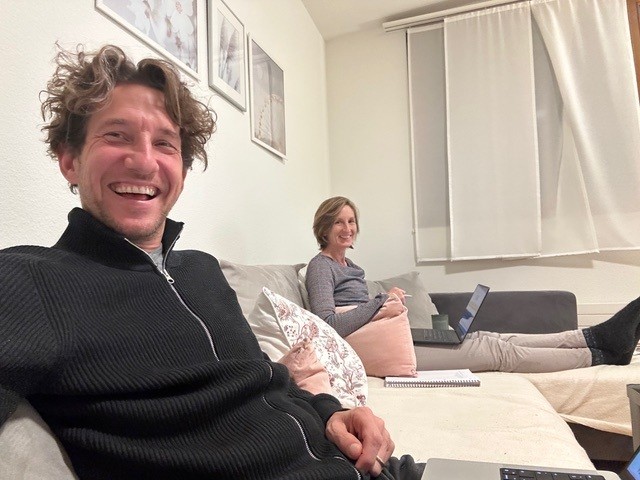
JG: It had been many years since Domenic and I had last studied together in the evenings. Preparing for exams took us right back to our student days – like a rejuvenation cure!
Where does your interest in global health come from – and why was Swiss TPH the right place for you?
JG: I’ve often asked myself where my interest in humanitarian work and other cultures comes from. It’s something that runs very deep.
I travelled a lot as a child, which showed me how enriching it is to engage with other cultures. But that’s not the whole story. For me, it simply feels natural to want to understand global connections – especially when it comes to inequalities in healthcare. Many things we take for granted in Switzerland are simply not available elsewhere.
DG: What motivates me most is working as part of a team and tackling challenges together – particularly in medicine and global health. Swiss TPH offers an outstanding breadth of expertise and delivers knowledge in a very practical, hands-on way.
JG: We already knew Swiss TPH as the place for global health. There was never really any alternative for us – especially as Basel is easy for us to reach.
"What stood out most were the practical communication exercises, body language training, and the lecturers’ real-world experiences – things you simply can’t learn from a textbook."
Can you share a memorable moment from your time at Swiss TPH?
DG: It’s less about one specific moment and more about the overall experience. What stands out most is the breadth of the courses, which together provided a solid and comprehensive foundation of knowledge. Sharing that experience with such a highly motivated group made it particularly memorable.
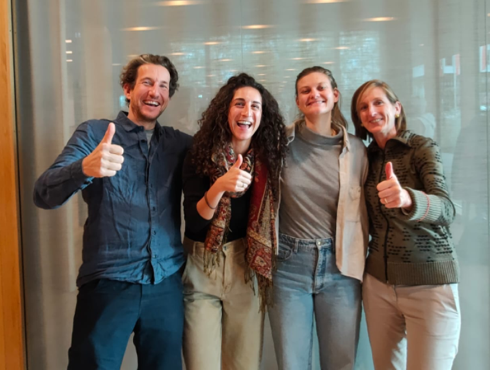
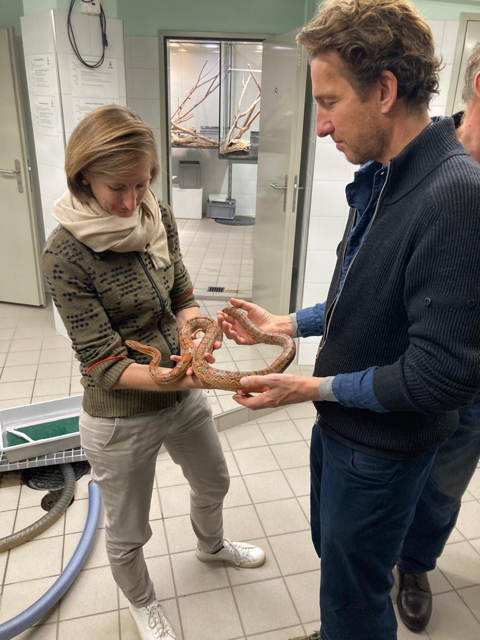
JG: There were so many great moments with our fellow students and facilitators. I soaked it all in because everything was so interesting. It was inspiring to meet people who genuinely wanted to give something back. I especially remember our lively discussions – during breaks, at apéros, or on our trip to the zoo.
But if I’m honest, I also remember all those evenings spent studying and hoping I’d pass the exams!
Looking back, what has been the biggest impact of your education at Swiss TPH on your life and career?
DG: I particularly benefited from the training in intercultural collaboration, communication, and joint problem-solving – skills that I now use every day, both in Switzerland and in international projects.
JG: I feel the same. The courses on intercultural communication had the biggest impact on my work. Learning that you don’t always have to address problems directly, but can also approach them in a more indirect or circular way, has helped me many times. During my work in Kenya, I saw how crucial this kind of communication is for building trust – and that it’s not something to be taken for granted.
Of course, I also value the medical, historical, legal, and geographical foundations we learned. But what stood out most were the practical communication exercises, body language training, and the lecturers’ real-world experiences – things you simply can’t learn from a textbook.
Since graduating, what projects or initiatives have you been involved in that you are particularly proud of?
JG: Our original idea was to spend a longer period abroad together, but for various reasons we decided instead to do shorter assignments – sometimes separately.
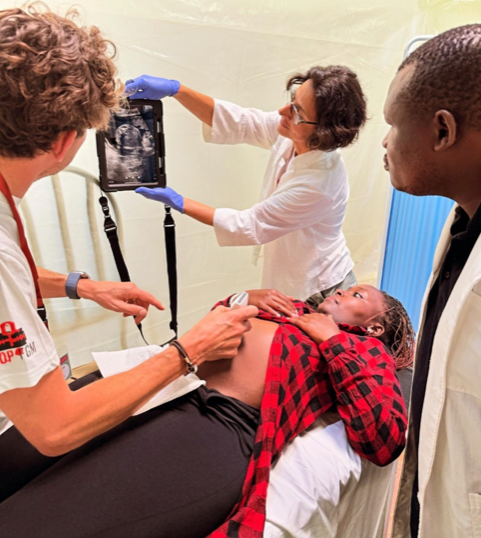
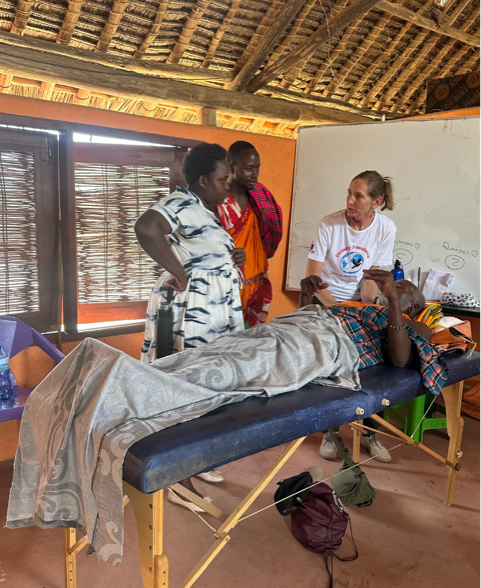
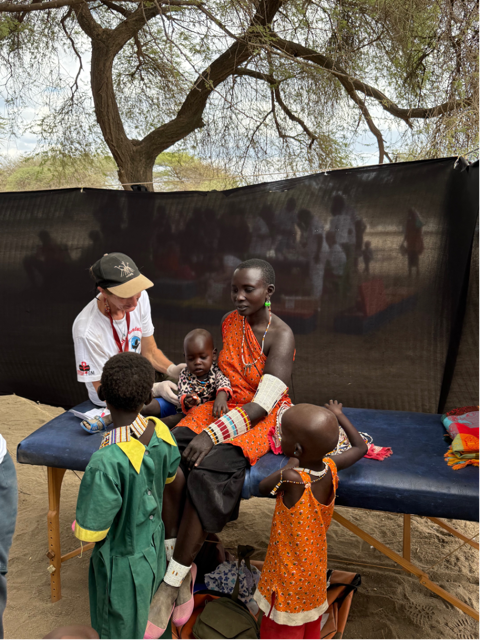
At first, it wasn’t easy to find a project as an osteopath. Many organisations saw the value but didn’t have a concrete role. Eventually, I found the Kenyan organisation Divinity Foundation, which regularly travels to remote regions with interdisciplinary teams. I’ve now joined them twice and worked in a home for girls who had fled female genital mutilation and child marriage, as well as in a hospital.
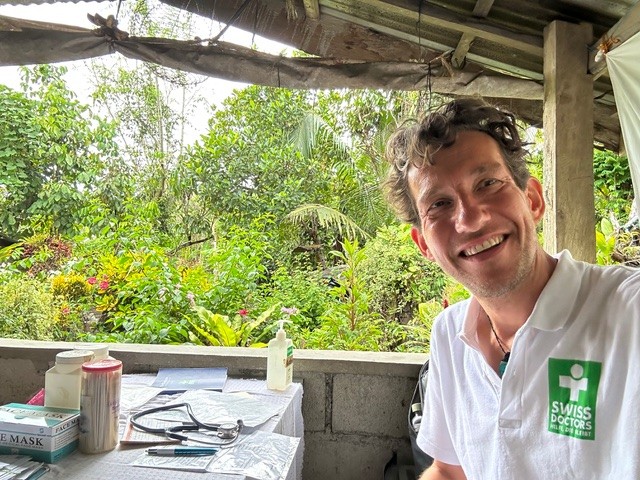
DG: In 2025, I worked for six weeks on a project on Mindoro in the Philippines, focusing on primary healthcare for disadvantaged indigenous communities. Later that year, Jutta and I worked together in Kenya on a joint medical and osteopathic project, where I was involved as a physician.
JG: Being able to share that experience was really special. I’ll be returning to Kenya again this year. It means a great deal to know that our work can make a real – and sometimes life-changing – difference for people.
If you could inspire one change in the world, big or small, what would it be?
JG: If everyone truly understood how deeply connected we are and how much we depend on one another, we would take better care of both our environment and each other. I hope that awareness continues to grow – because we share far more than just the air we breathe.
DG: Whatever you do, do it with heart and commitment. Be open, engage with people. Take your time, listen, and be fully present in whatever you’re doing.