
The Swiss Federal Council is proposing a major reorientation of Switzerland’s international cooperation and to cut around CHF 100 million over the next four years.
The plans would massively shift resources from long-term development cooperation towards humanitarian aid and focus development cooperation more on low-income countries in Africa and Asia, while withdrawing from Eastern Europe. They would separate development cooperation from economic development by dividing responsibilities between the Swiss Agency for Development and Cooperation (SDC) and State Secretariat for Economic Affairs (SECO). Additionally, stronger collaborations with the private sector and a necessity of demonstrating impact were emphasised. With this decision, the Federal Council has pre-empted a well-established and democratically legitimate process: the reform is due to be implemented already from 2027, while the discussions in parliament about the new international development cooperation strategy only take place in 2028.
There’s no question that international cooperation must deliver impact and that there is considerable potential in working more closely with the private sector. But separating development cooperation from research, innovation and economic development works against that overarching goal.
Development cooperation should not be seen as an end in itself, but as part of a continuum towards greater self-reliance, sustainable economic development and, ultimately, stronger economic cooperation. It is the foundation of innovation, health security, and crisis response. Cutting into that foundation risks weakening the benefits, the partnerships and structures that have taken decades to build and ultimately work against Switzerland’s long-term interests and unnecessarily weaken our nation’s soft power.
Development cooperation is a driver of innovation
Switzerland’s life-sciences ecosystem brings together world-leading companies, universities, research institutes, start-ups and international organisations. International cooperation connects this ecosystem with researchers, decision-makers and health systems around the world, creating unique opportunities for innovation. The private sector cannot replace development cooperation. Collaboration and strategic alliances between different stakeholders from multiple sectors are needed, from which everyone ultimately benefits.
One example is the long-term partnership between Switzerland and Côte d'Ivoire. What began in 1951 as a small field laboratory, set up with Swiss government support, is today a fully-fledged regional centre of excellence in sustainable development that accounts for around 20% of Côte d'Ivoire's scientific output. 75 years of continuous Swiss commitment has helped transform the CSRS into a lighthouse for capacity strengthening, innovation and solution-oriented research for sustainable development across West Africa.
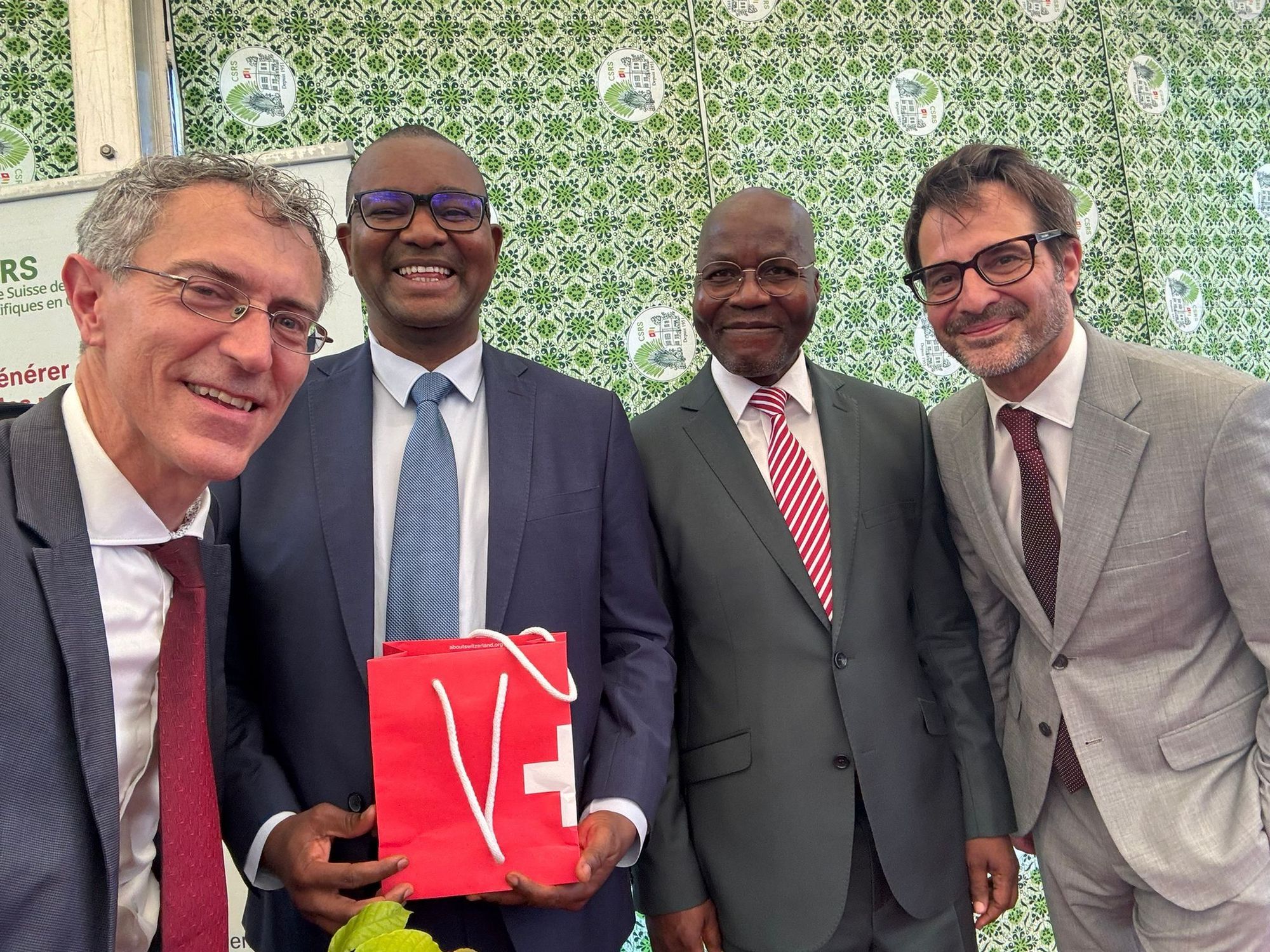
Development cooperation has a track record in improving the living conditions of the local population by strengthening health and education, creating local jobs and supporting economic growth. It has also enabled countries to develop their own capacity and reduce their dependence on external assistance.
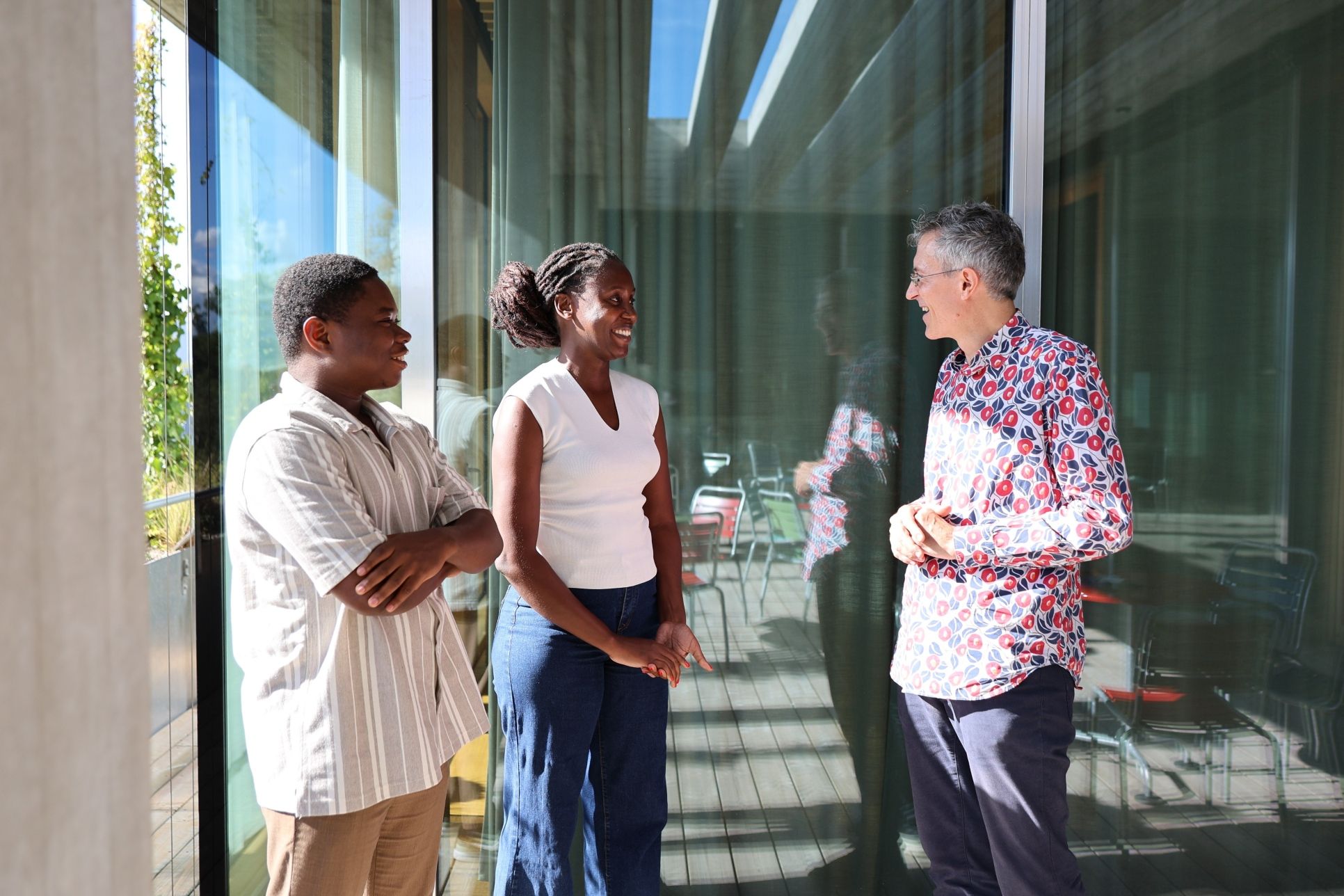
Programmes such as the Swiss Government Excellence Scholarship (ESKAS), through which 87 scholars from 34 countries have obtained a PhD at Swiss TPH alone since 2013, exemplify how academic exchange builds lasting research capacity in partner countries while also benefiting Switzerland. Scholars bring fresh ideas and connect Swiss institutions to international research networks.
Many ESKAS alumni go on to hold positions in ministries of health, universities, and international organisations worldwide, becoming lasting bridges for future scientific collaboration and strengthening Switzerland's standing as a trusted global partner in education, research and innovation.
Conversely, innovations from the Global South – ranging from digital patient records and mobile diagnostics to drone logistics – offer solutions to pressing healthcare provision challenges. We have learned from countries such as Tanzania on how to provide high-quality primary healthcare services under resource constraints. Innovations originally designed for countries in the Global South are increasingly being adapted for other purposes; for example, malaria vaccine technology is now being used for shingles and respiratory syncytial virus (RSV).
Climate change is expanding infectious diseases into higher-latitude regions, making the Global South's experience managing these diseases valuable for high-income countries too. Diseases such as chikungunya, dengue, malaria and Zika that are transmitted by mosquito vectors, are examples in time. Meanwhile, low- and middle-income countries (LMICs) face a growing burden of non-communicable diseases (NCDs) such as diabetes, cardiovascular disease and cancer; an area where Switzerland can contribute expertise, while these countries also become growing markets for Swiss diagnostics, medicines and other innovations.
The economic benefits are tangible. International organisations such as the World Health Organization (WHO), the Global Fund and Gavi, the Vaccine Alliance invest in Swiss companies and institutions through research, diagnostics, drugs, vaccines, logistics and technical services. The Global Fund estimates that its activities generated CHF 832 million in value added for Switzerland between 2023 and 2025.
This is why development cooperation should be understood as both a driver and a beneficiary of research and innovation.
Development cooperation strengthens Switzerland’s health security
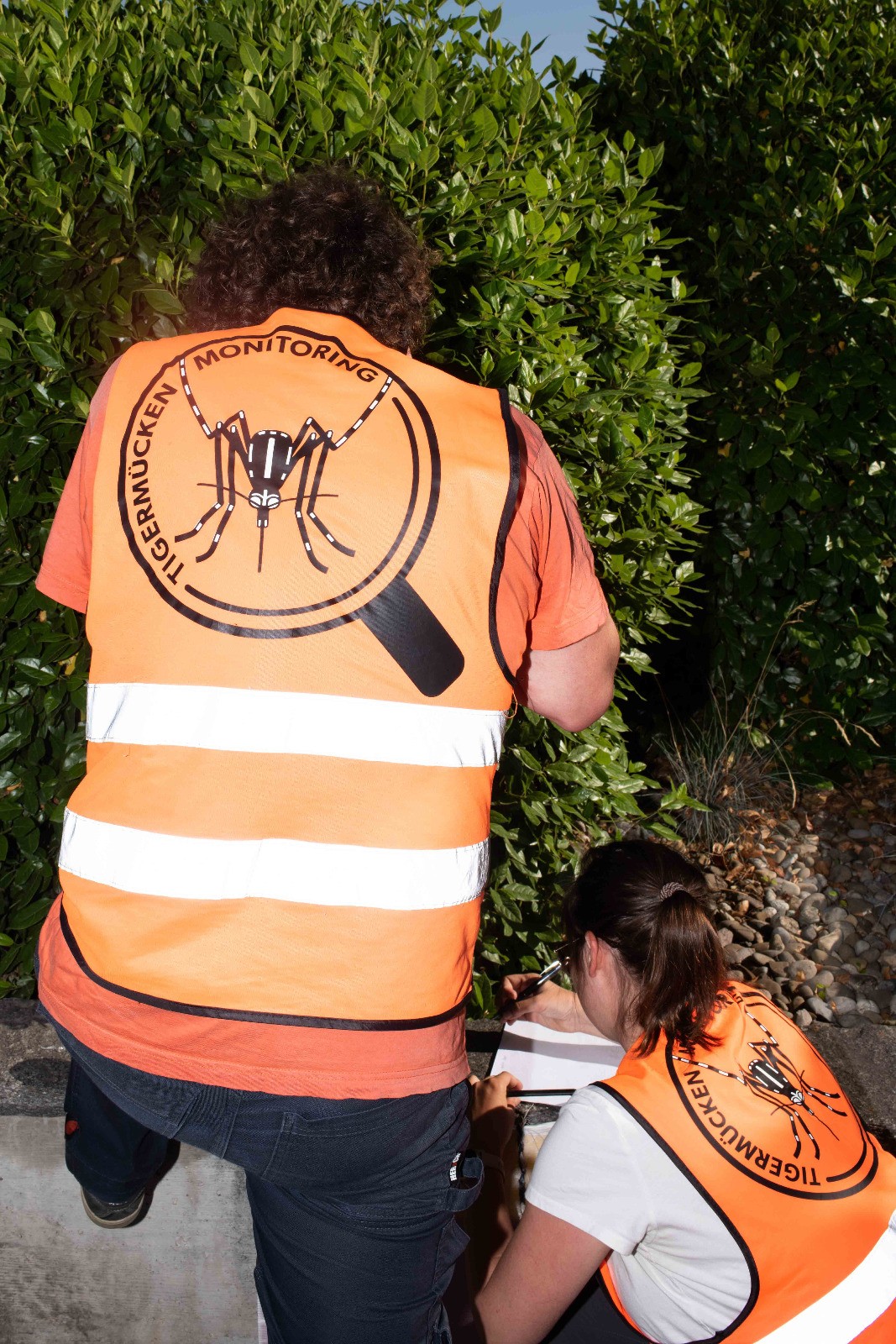
Diseases do not stop at national borders, as we have seen with the COVID-19 pandemic. Antimicrobial resistance, disease outbreaks, epidemics, and pandemics can spread internationally. Climate change is expanding the geographical conditions in which vectors such as the tiger mosquito, which can transmit dengue and chikungunya, occur. The dengue virus was recently detected for the first time in a tiger mosquito in Basel-Stadt and the tiger mosquitoes are rapidly expanding in Switzerland and neighbouring countries.
Investing in disease surveillance, epidemic preparedness and public health responses, coupled with training health professionals and fostering resilient health systems abroad therefore also strengthens Switzerland’s own preparedness. And Switzerland benefits from being connected to international networks that can identify emerging threats early and coordinate a response.
Impact requires long-term investment
The Federal Council emphasises the importance of the impact of development cooperation. Several studies have already demonstrated it. For instance, a 2026 study published in The Lancet Global Health, analysing two decades of development assistance across 93 LMICs, found that higher levels of official development assistance were associated with 23% lower age-standardised mortality and 39% lower mortality among children under the age of 5 years. Mortality from HIV/AIDS was 70% lower, and mortality from malaria was cut by more than half.
In Tanzania, Swiss TPH and the SDC have run a large-scale mosquito net campaign to protect people from bites of the Anopheles mosquito, which transmits malaria. What began as a project in the 1990s now continues as a national programme run by Tanzania itself. It has reduced the risk of death among children by 27% and has prevented an estimated 1 million malaria deaths to date.
Long-term cooperation strengthens crisis response
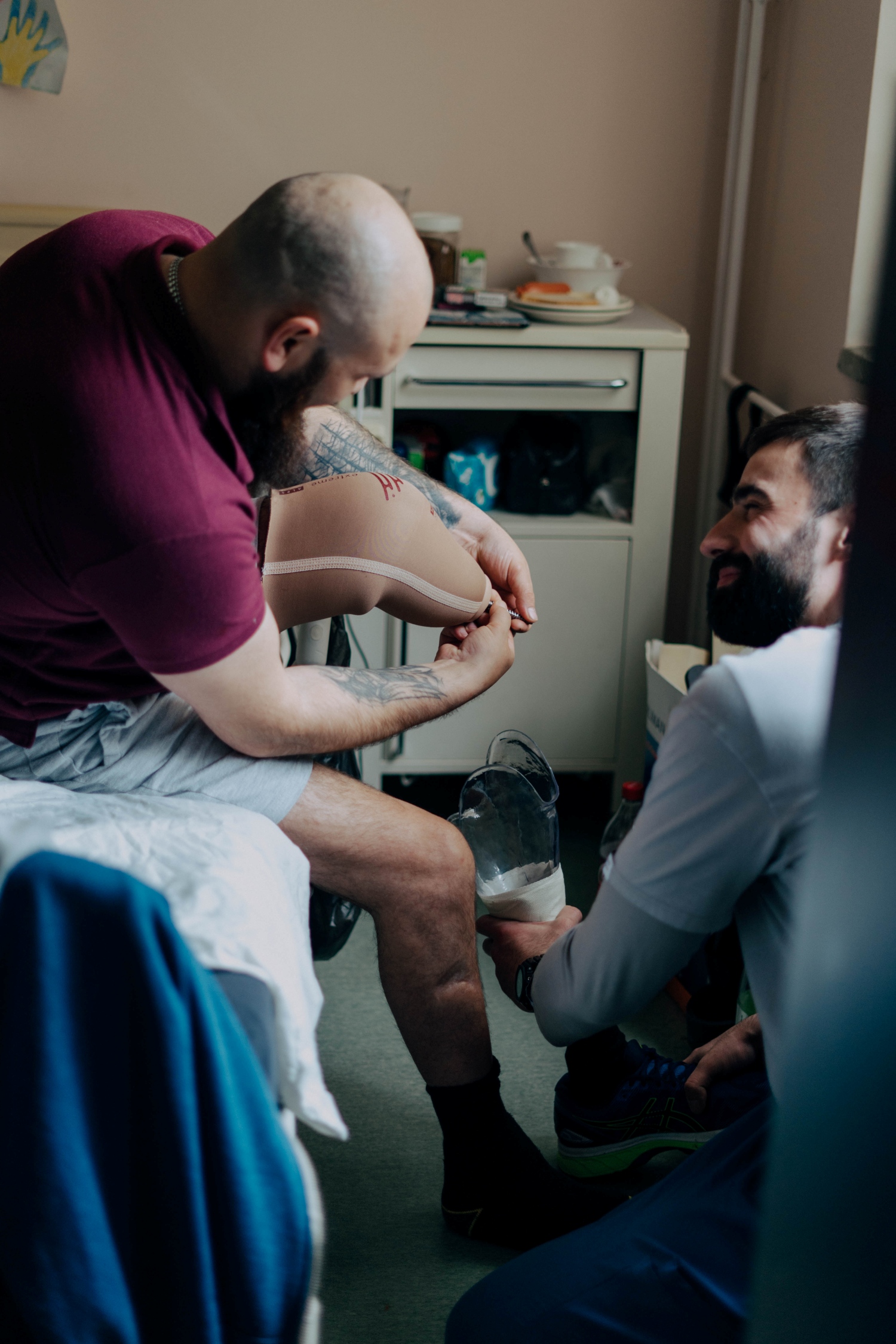
In an increasingly polarised world characterized by conflicts and wars and multifaceted challenges, humanitarian assistance is essential. However, allocating too many resources to short-term crisis response at the expense of long-term development can lead to addressing the consequences while weakening the capacity to prevent them.
The effectiveness of humanitarian action when a crisis strikes often depends on these same structures built over many years: functioning health systems, trained professionals, local institutions, supply chains and trusted partnerships. And these structures are also important to rebuild the system afterwards.
For almost three decades, Swiss TPH has collaborated with Ukrainian partners to improve health services and medical education to reinforce the health system. This long-standing collaboration has created a foundation of trust and local knowledge that is particularly critical in times of conflict. Strengthening humanitarian aid at the expense of long-term development cooperation therefore weakens both.
What kind of partner does Switzerland want to be?
The partnerships, knowledge and institutions built through decades of development cooperation are not easily replaced. They create opportunities for research and innovation, support stronger local capacity, strengthen preparedness for health threats, and provide foundations for effective crisis responses.
They matter for Switzerland. These relationships connect Swiss institutions to international research networks, strengthen Switzerland’s innovation and standing as a trusted partner and contribute to its soft power and long-term interests.
The National Council’s Foreign Affairs Committee has urged the Federal Council not to pre-empt Parliament’s deliberations on major changes to the 2029–2032 international cooperation strategy. This process is now an opportunity to consider not only where Switzerland allocates its resources, but what kind of international partner it wants to be. As Switzerland reconsiders its international cooperation, it should:
- Recognise that development cooperation and innovation cannot be viewed in isolation from one another but rather as driving each other.
- Protect long-term partnerships and institutions that have taken decades to build
- Preserve investment in research, capacity strengthening and international networks that benefit both partner countries and Switzerland
- Ensure that greater emphasis on humanitarian aid does not come at the expense of long-term cooperation on which resilience and effective crisis response depend
The debate is therefore not only about where Switzerland invests, but about which partnerships, capabilities and long-term benefits it wants to preserve so that it can continue to create impact, innovation, respond effectively to global challenges and remain a trusted international partner.