
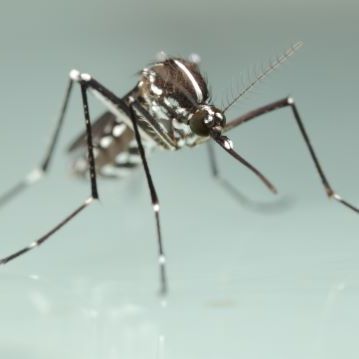

Asian Tiger Mosquito
The Asian tiger mosquito is an invasive mosquito species that is becoming increasingly common in urban areas across Switzerland. Its aggressive daytime biting behaviour can significantly impair people's quality of life. Moreover, it can potentially transmit viruses such as dengue and chikungunya. At Swiss TPH, we study the Asian tiger mosquito’s spread and develop measures to contain it. However, preventing its further spread requires the public’s active cooperation in prevention and control efforts.
The Asian tiger mosquito (Aedes albopictus) can significantly impair people's quality of life due to its aggressive biting behaviour during the day and its ability to adapt to urban environments. It can also potentially transmit viruses such as dengue and chikungunya.
Dengue virus infection can range from asymptomatic cases with no noticeable signs of illness to severe flu-like disease. A small proportion of patients develop life-threatening complications involving the leakage of fluid and proteins from the blood vessels into surrounding tissues. Treatment options remain limited as there are no specific antiviral medicines. The only approved vaccine (Qdenga) is currently only recommended for certain travellers with evidence of a previous dengue infection.
An infection with the Chikungunya virus typically leads to illness with symptoms such as fever, severe joint pain, rash and fatigue. It can also result in chronic joint pain or, in rare cases, serious complications. Although vaccines against chikungunya are available, they are not widely used and are not routinely recommended in Switzerland. Therefore, controlling the Asian tiger mosquito and reducing people's exposure to mosquito bites remain the most important preventive measures.
Did you know? You cannot tell whether a mosquito bite was caused by an Asian tiger mosquito based on the appearance of the bite. People react differently to mosquito bites, so the body's response varies from person to person.
The Asian tiger mosquito (Aedes albopictus) belongs to the mosquito family (Culicidae) and has distinctive black-and-white markings on its head, thorax and legs.
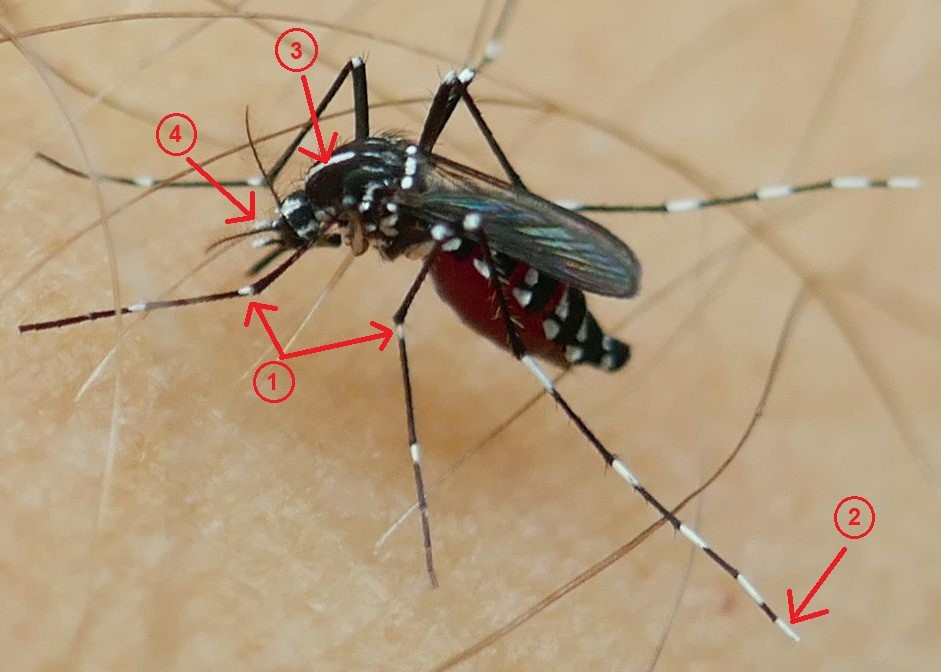 [Identification features of the adult female Asian tiger mosquito.]
With a body length of around 0.5–1 cm, the Asian tiger mosquito is smaller than most native species of mosquito. It has a silvery-black appearance and can be identified by the following characteristics:
- All legs have white rings.
- The last segment of the hind legs is white.
- A continuous white line runs from the eyes down the back.
- The tips of the mouthparts (palps) are white.
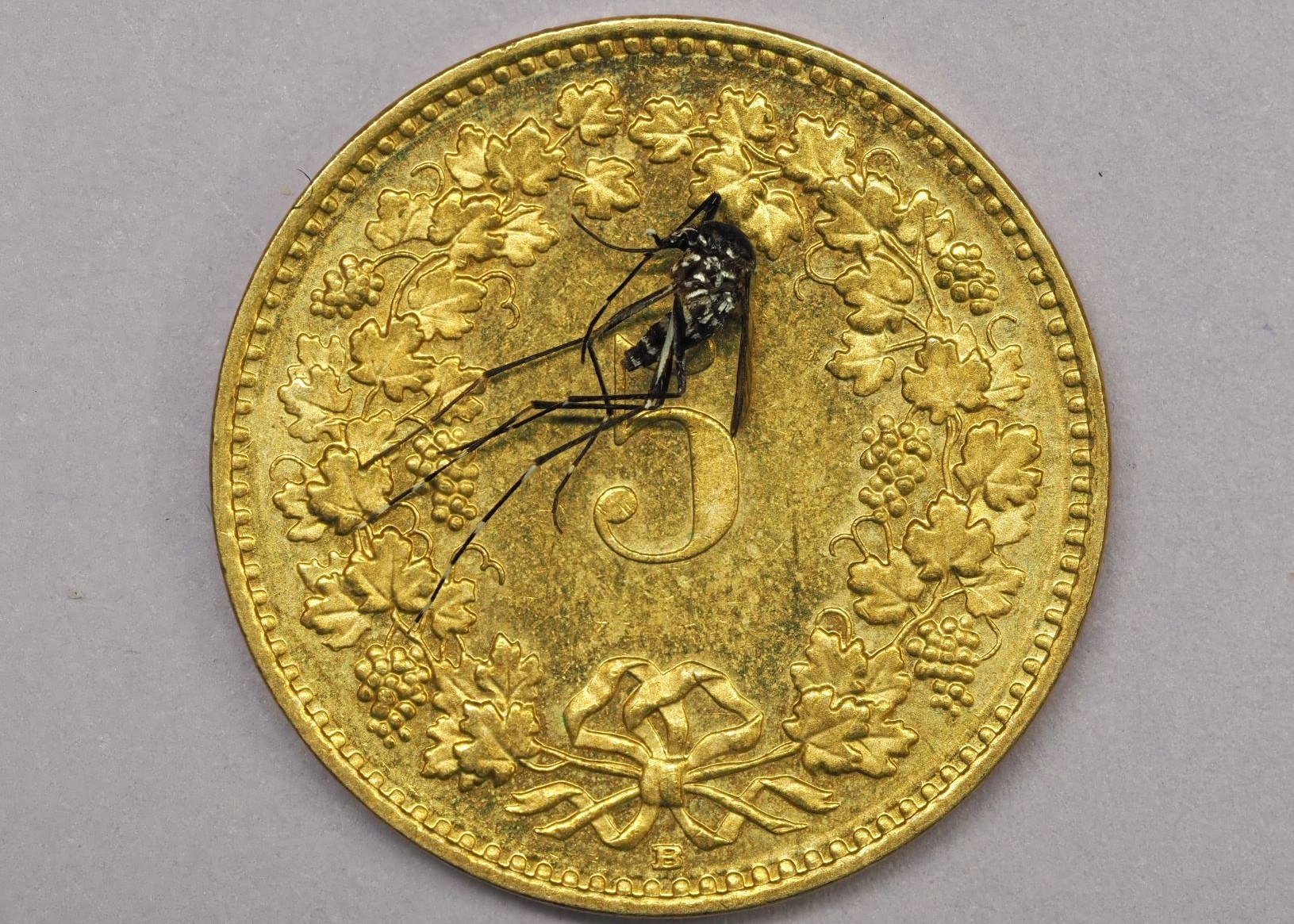 [Size comparison between an Asian tiger mosquito and a Swiss five-cent coin.]
Did you know? Several mosquito species with black-and-white markings occur in Switzerland. It is therefore important to look carefully for the identifying features described above.
The Asian tiger mosquito is considered one of the world's most important invasive species. Originally from Southeast Asia, it has spread across large parts of Europe, including Switzerland. Its rapid spread has been driven by globalisation, urbanisation, international trade and travel, as well as climate change. The species is mainly introduced through the global trade in used tyres, which can contain its drought-resistant eggs, and through vehicles that transport adult mosquitoes as unintended passengers over long distances.
Did you know? The Asian tiger mosquito can also spread actively. Most studies indicate relatively short flight distances of around 100 metres per day. However, some studies have shown that tiger mosquitoes can indeed cover greater distances.
The Asian tiger mosquito was first detected in Europe in Albania in 1979. Introduced through the port of Genoa, it became established in Italy from 1990 onwards, subsequently spreading across large parts of Europe. In Switzerland, the species was first detected in the canton of Ticino in 2003. Since then, it has also spread north of the Alps, particularly to Geneva and the greater Basel area.
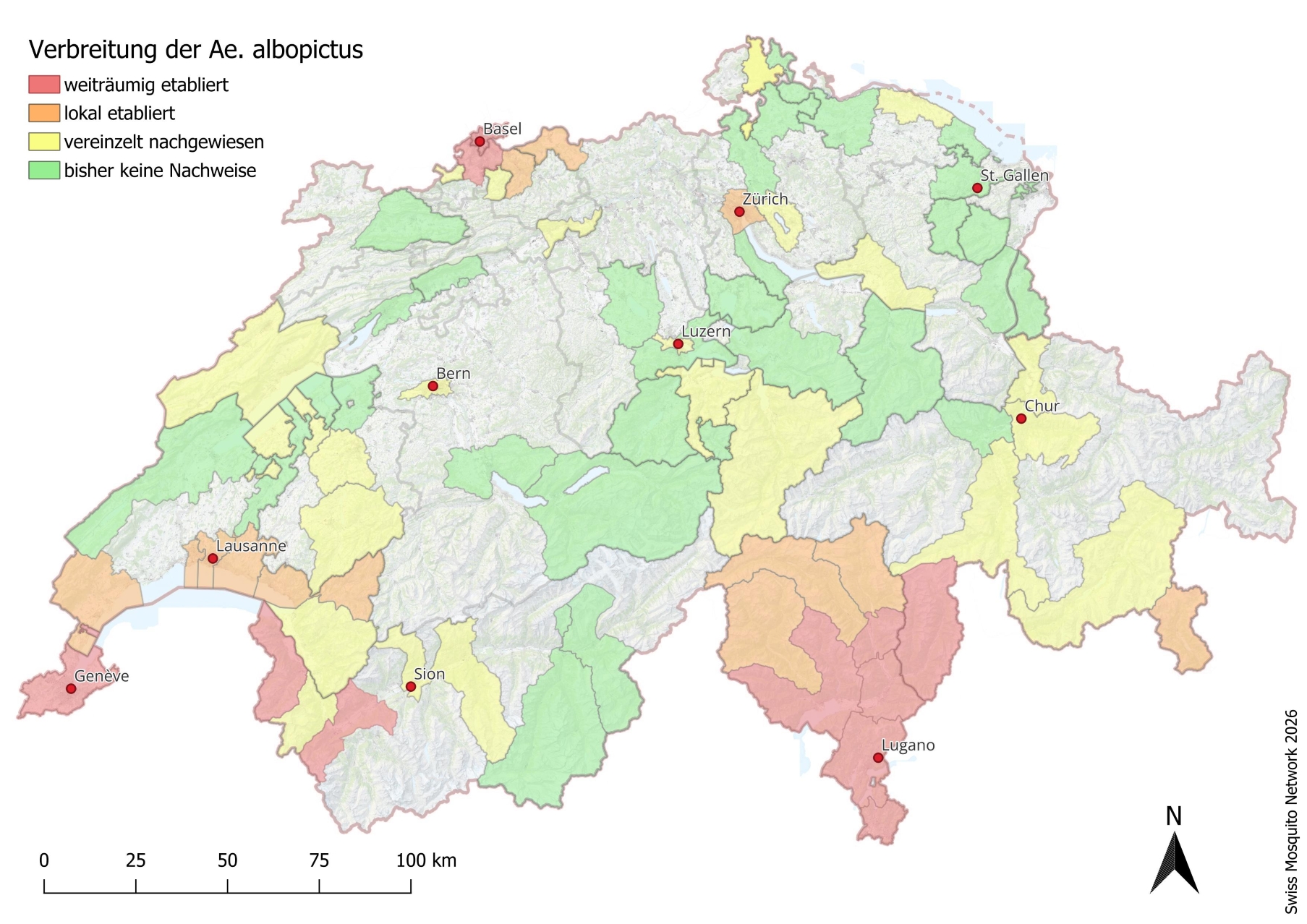 [Geographical distribution of the Asian tiger mosquito in Switzerland by district as of the end of 2025. Source: Swiss Mosquito Network, 2026.]
Did you know? Climate change is facilitating the spread of the Asian tiger mosquito, as rising temperatures enable it to survive and reproduce in an ever-increasing number of areas.
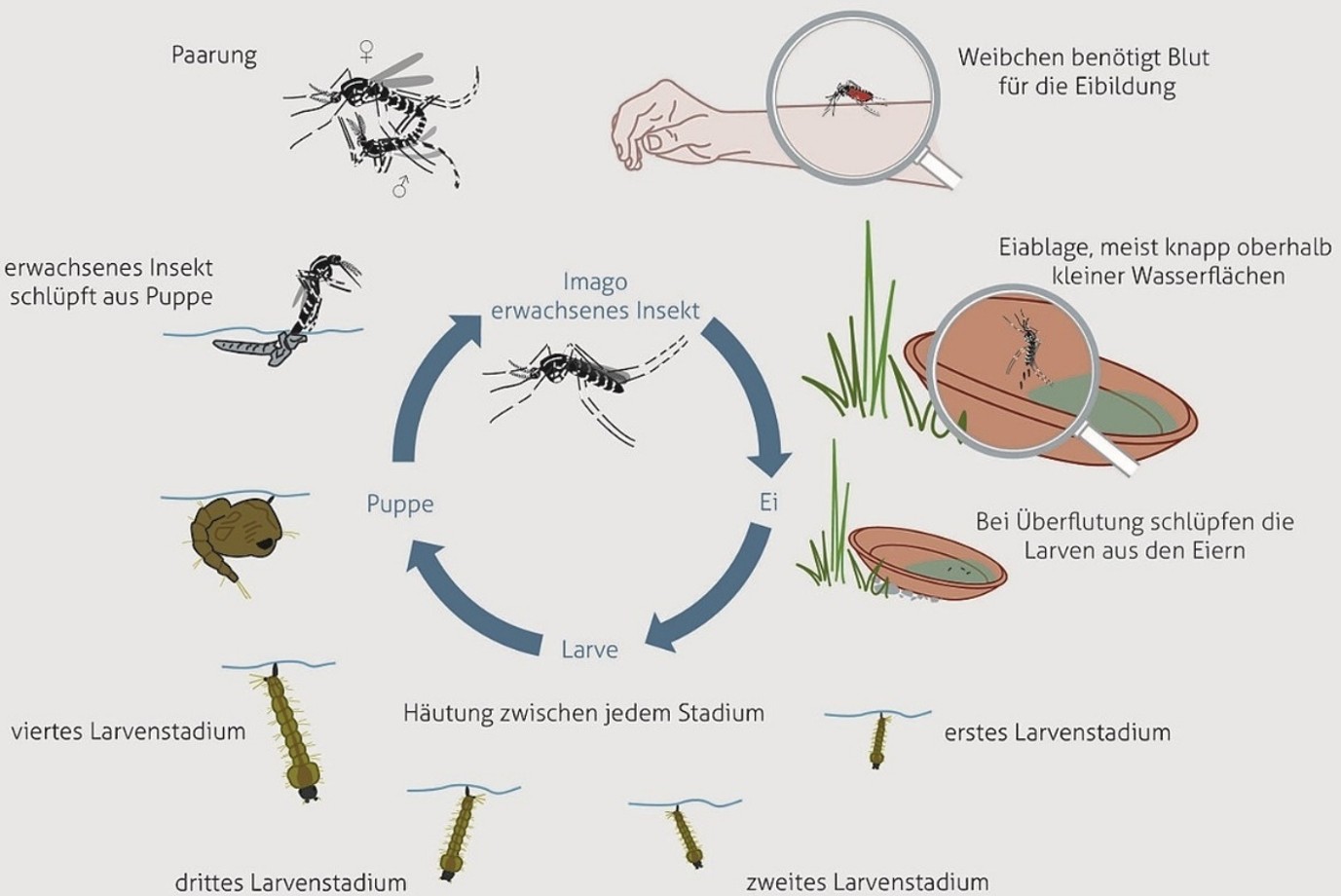 [Life cycle of the Asian tiger mosquito. Source: Ingeborg Schleip, Biogents AG]
Male tiger mosquitoes often remain close to potential hosts of blood-feeding females and attempt to mate with females as they approach. Mating takes place in flight and usually lasts only a few seconds. Females mate only once but can store the sperm they receive for the rest of their lives.
After mating, the female seeks a blood meal, which is needed to produce eggs. Once it has taken in enough blood, the female can produce up to 100 eggs, which it distributes across several breeding sites. These black eggs, measuring approximately 0.5 mm in length, are laid individually just above the waterline on the damp edges of suitable breeding sites. In nature, these sites include tree holes or water collected in the leaf axils of plants. However, in urban areas, breeding sites are often found in blocked gutters, storm drains, or water-filled containers such as rain barrels, flower vases, plant saucers, buckets, cans, jars, and discarded tyres stored outdoors.
After laying its eggs, the female seeks another blood meal to produce more eggs. During this process, it can transmit pathogens, such as dengue or chikungunya viruses, which it has previously acquired from an infected blood meal.
The eggs are resistant to drying out and can survive for several months. In late summer and autumn, the females also lay eggs that enter a dormant phase over winter and can survive low winter temperatures. When rising water levels flood these eggs, for example after rainfall, the fully developed larvae hatch into the water. There, they feed on organic particles, such as algae and other microorganisms, and grow, passing through four larval stages. The moult between each stage. Unlike the eggs, however, the larvae can only survive in water.
The time required for larval development depends largely on food availability and ambient temperature. As mosquitoes cannot regulate their own body temperature, their metabolism is dependent on the surrounding temperature. Consequently, larvae develop more quickly at higher temperatures. The fastest development occurs at an average temperature of around 26–28°C. Under optimal conditions, the process of developing from egg to adult mosquito takes about one week. Below 11°C, development generally halts.
After the fourth larval stage, the larvae develop into comma-shaped pupae. Pupae no longer feed, but remain mobile, allowing them to escape predators. After one to two days, the adult mosquitoes emerge from the pupae to begin a new life cycle.
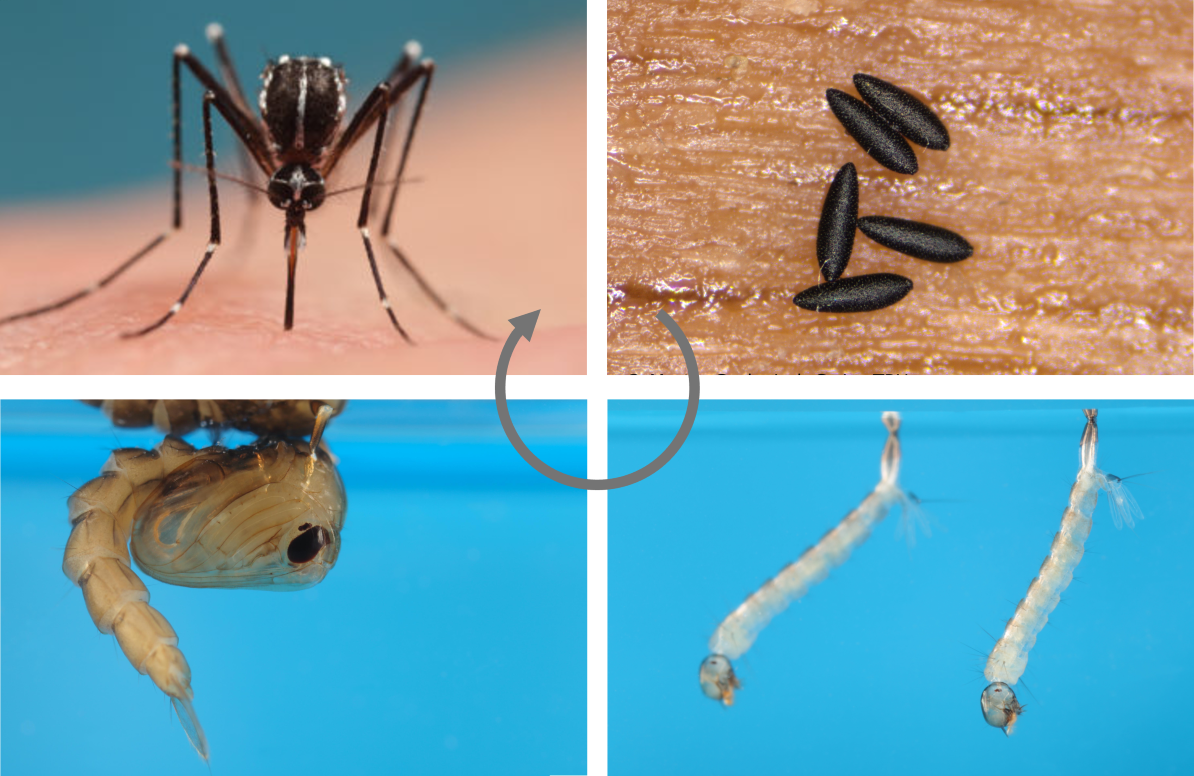 [Developmental stages of the Asian tiger mosquito: top right: eggs; bottom right: larvae with clearly visible breathing tube (siphon) reaching the water surface; bottom left: pupa; top left: blood-feeding female. Source: N. Henon/TIGER: larvae, pupa and adult mosquito; Swiss TPH: eggs]
Did you know? As Asian tiger mosquito larvae develop exclusively in water, preventing stagnant water from collecting in containers is a simple and highly effective way to stop them from breeding.
Regularly check your garden and balcony for potential breeding sites and consistently follow the measures below. The Asian tiger mosquito requires only very small amounts of standing water to develop. If water is left standing for several days, mosquito larvae can develop in it.
Prevent: Stop water from collecting. Even a puddle the size of a coin is enough. Clean blocked gutters and fill I any holes in walls, paving or trees, for example with sand. Remove items that can collect water, such as unused toys, cans, bottles or other containers, or store them under cover. Alternatively, drill drainage holes in them or dispose of them properly. Whenever possible, store wheelbarrows and similar items upside down and ensure that tarpaulins are tightly secured. Fill pot saucers to the brim with gravel or pebbles, or empty and clean them weekly.
Empty: At least once a week, empty all containers that can collect even small amounts of standing water. This includes plant saucers, buckets and watering cans. Animal drinking troughs and bird baths are not a problem, provided the water is changed at least once a week and the container is cleaned.
Cover: Tightly cover sandboxes, rain barrels, the bases of parasols or rotary clotheslines, water tanks and cisterns with lids, fine wire mesh or nets. The mesh size should be smaller than 1.2 mm.
Treat: If the above measures cannot be implemented, water collections such as storm drains in courtyards can be treated with an approved natural larvicide based on Bacillus thuringiensis israelensis (Bti). Lively, natural garden ponds and biotopes, on the other hand, are not breeding grounds for the Asian tiger mosquito and should not be treated.
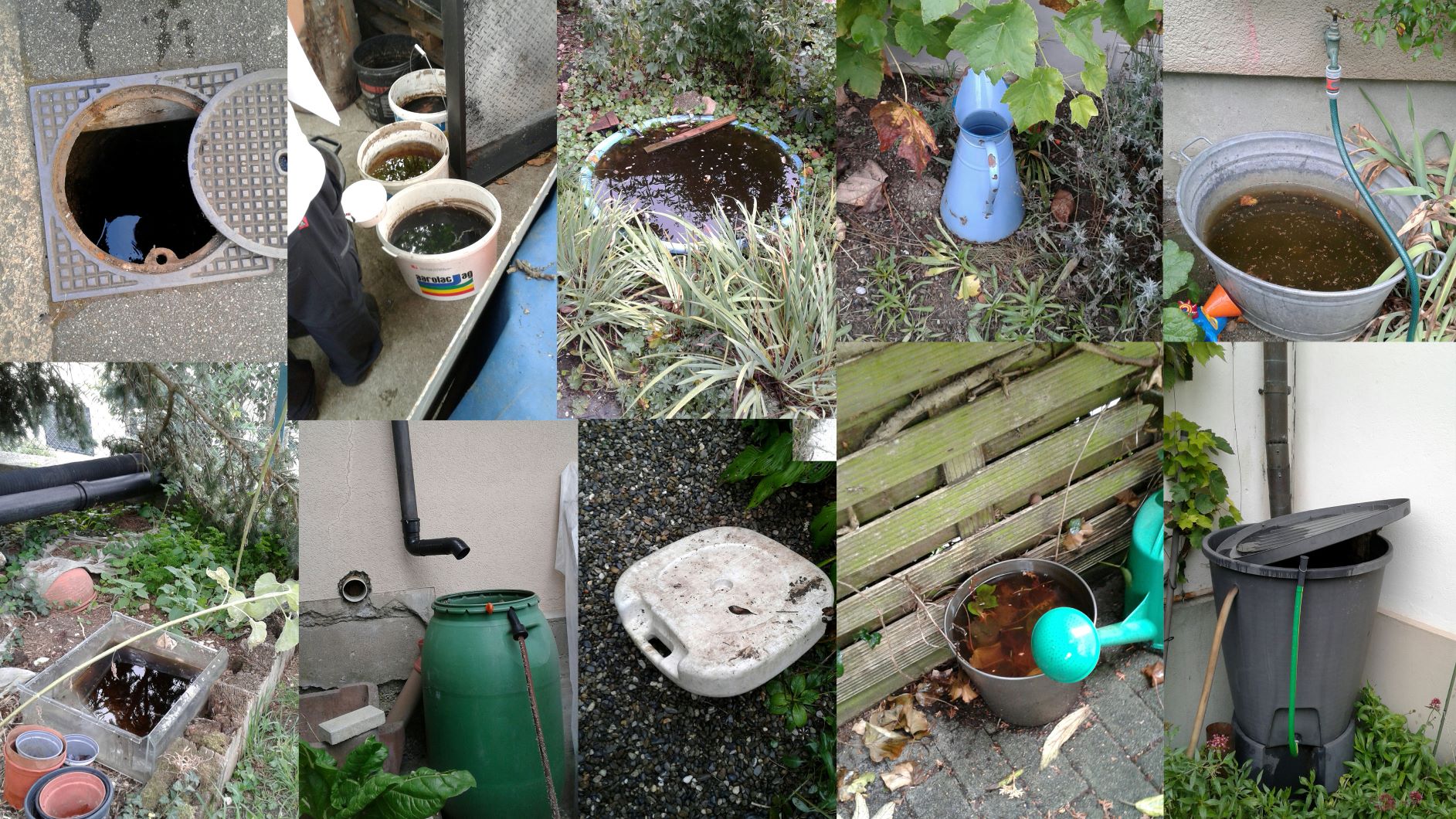 [Breeding sites of the Asian tiger mosquito: The Asian tiger mosquito prefers to lay its eggs in containers holding stagnant water, such as rain barrels, plant saucers, flower vases, animal drinking bowls, blocked drains or gutters, unused watering cans and similar containers. Photos: Swiss TPH]
Further practical information can be found in this explanatory video.
Did you know? Do not pour standing water down the drain. Instead, empty it onto the ground so that any mosquito larvae cannot survive.
Unlike most native mosquito species, the Asian tiger mosquito is mainly active during the day and at dusk and is often perceived as being particularly aggressive. We therefore recommend wearing light-coloured, long-sleeved and loose-fitting clothing where possible. Mosquito repellents can also help keep these pests away. There are products designed for application to the skin, as well as products for treating clothing. Further information can be found in our information sheet on mosquito repellents (Mückenschutzmittel, Répulsifs anti-moustiques, Prodotti antizanzare).
Did you know? Consistent protection against mosquitos is particularly important during the first two weeks after returning from travelling (between April and October) to regions where mosquito-borne diseases are common. By protecting yourself from mosquito bites, you can help prevent the possible local transmission of diseases if you became infected during your trip. As infections do not always cause symptoms, pathogens can be transmitted without your knowledge.
If you think you have spotted an Asian tiger mosquito, please let us know as soon as possible. If you can, follow these steps:
- Carefully catch the mosquito without crushing it, for example by placing a glass over it and sliding a piece of paper underneath.
- Place the mosquito in the freezer overnight.
- Check the identification features described above to see if it could be an Asian tiger mosquito.
- Take a photograph. The better the image quality, the greater the chance that our experts will be able to identify the mosquito. Place it on a neutral background, such as a sheet of white paper. Make sure the insect is well lit, fully visible, and in sharp focus. Photos showing the hind legs, the white stripe on the thorax and the head are particularly helpful.
- Report your finding together with the photograph via www.muecken-schweiz.ch and follow the instructions provided.
- Keep the mosquito in case we need to contact you with any follow-up questions.
Did you know? If you are unable to take a photograph of the mosquito, please follow these packaging instructions and send it to us:
Tiger Mosquito Reporting Centre
Swiss TPH
Kreuzstrasse 2
CH-4123 Allschwil
Several programmes in Switzerland the monitor the Asian tiger mosquito at both national and cantonal levels. These programmes typically involve monitoring, as well as prevention and control measures. While the prevention and control activities are usually implemented by the cantons and municipalities concerned, Swiss TPH conducts monitoring on behalf of the Confederation and the cantons for many programmes. The aim of this monitoring is to collect information on the distribution and prevalence of the Asian tiger mosquito. These data form the basis for prevention and control measures, as well as quality control of the implemented measures.
As part of the monitoring, mosquito traps are installed and regularly checked at potential entry points, such as motorway service areas, campsites and long-distance coach stations. Additional traps are placed in suitable habitats, such as cemeteries and allotment gardens, as well as in and around areas where the mosquito has already become established. Trap monitoring is complemented by inspections of potential breeding sites for mosquito larvae.
However, it is not possible to install traps or inspect breeding sites everywhere. We therefore rely on support from the public. Become a mosquito hunter and report any suspected Asian tiger mosquitoes you see!
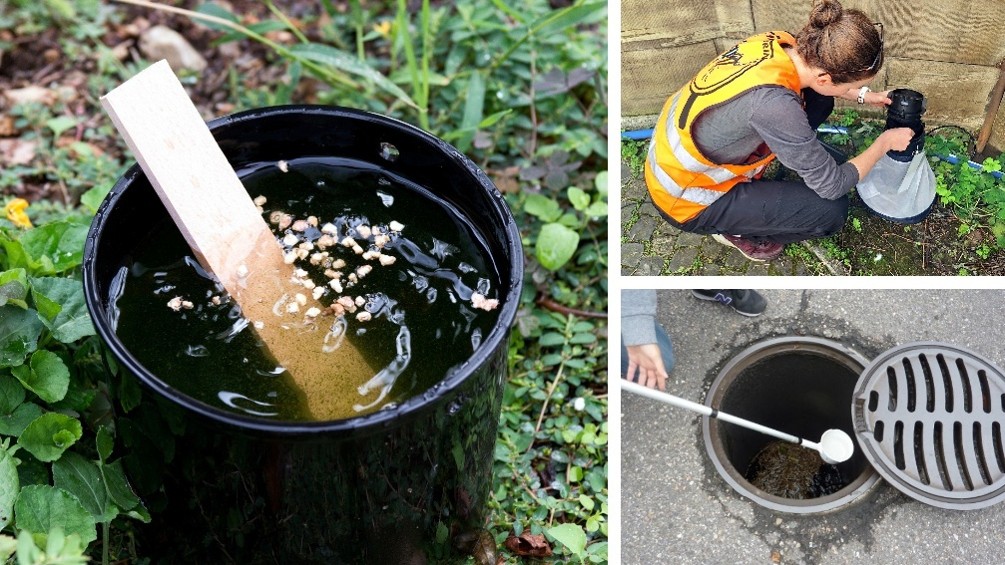 [Methods used to monitor the Asian tiger mosquito. Left: Ovitrap for collecting eggs of the Asian tiger mosquito and other Aedes species. Female mosquitoes attach their eggs just above the waterline to the wooden paddle, which is partially submerged in the container. The paddle is collected and examined for eggs every two weeks. Photo: Christian Flierl, University of Basel. Top right: Trap for capturing adult mosquitoes. The trap uses a fan to disperse an attractant while simultaneously drawing in approaching mosquitoes. It is also connected to a CO₂ cylinder. The released CO₂ can attract mosquitoes from up to 50 metres away. Bottom right: Potential breeding sites, such as storm drains are inspected for Asian tiger mosquito larvae using a standardised dipper or a net.]
Prevention measures, such as avoiding or regularly emptying and covering standing water in containers (e.g. discarded objects, animal drinking bowls, rain barrels), as well as the targeted use of natural Bti-based larvicides (where these measures are not possible, e.g. in storm drains), help reduce breeding and limit the further spread of the Asian tiger mosquito. Public participation is essential, as many breeding sites are located on private property.
Did you know? Natural ponds are not a problem. They support native plants and wildlife, so they should not be removed or treated with mosquito larvicides.
Fighting the Asian tiger mosquito: research and monitoring at Swiss TPH
Swiss TPH has been studying the spread of the Asian tiger mosquito in Switzerland and Europe since 2011. Our work focuses on monitoring its distribution and occurrence, developing control strategies, and investigating disease transmission. The projects below provide an overview of our current and completed work.
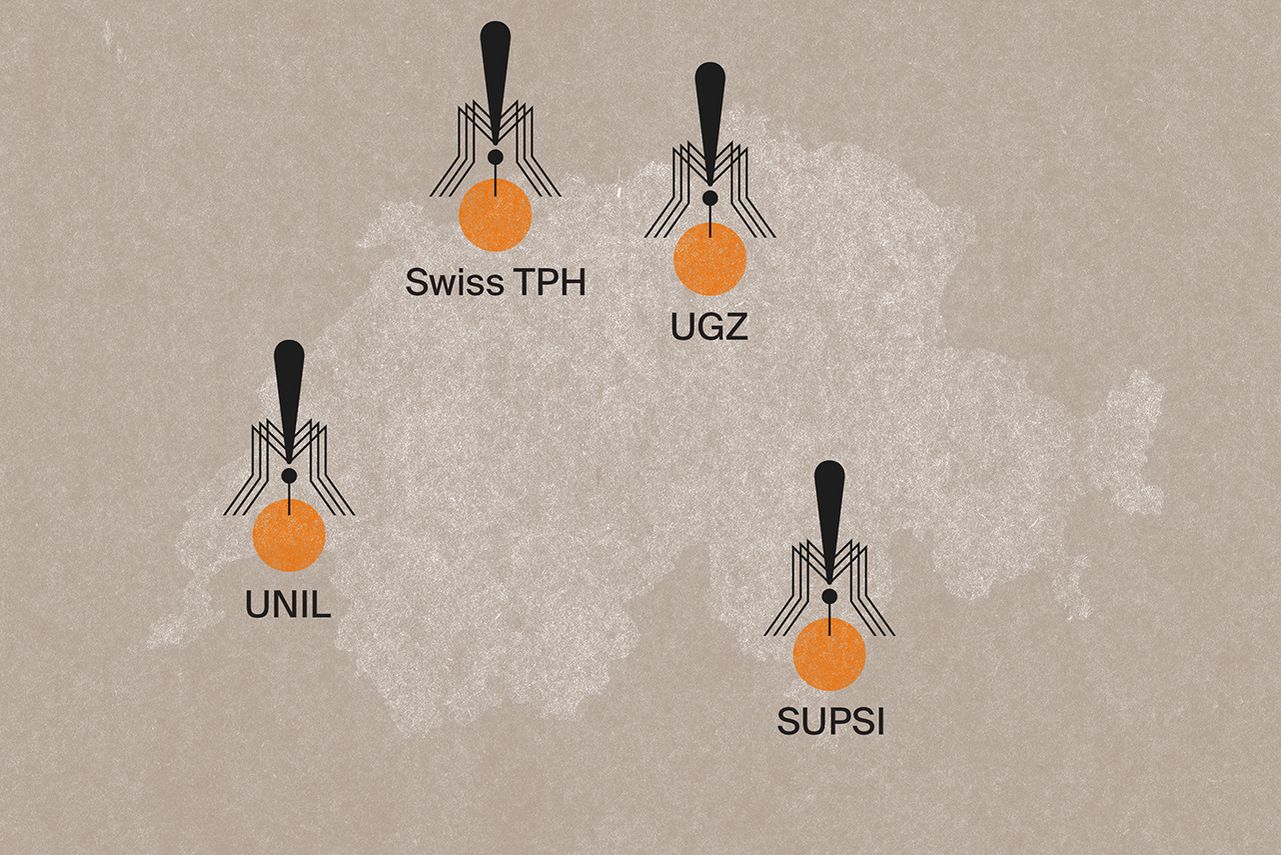
Swiss Mosquito Network
The Swiss Mosquito Network coordinates the consolidation of findings from regional Asian tiger mosquito monitoring programmes, reports submitted by the public and the national Asian tiger mosquito monitoring programme across Switzerland on behalf of the Federal Office for the Environment (FOEN). The network consists of four regional centres, one of which is Swiss TPH.
Swiss TPH supports eight cantons in central and western Switzerland (Aargau, Bern, Basel-Landschaft, Basel-Stadt, Lucerne, Nidwalden, Obwalden and Solothurn) and leads the national monitoring programme. The regional centres process public reports, coordinate data flow between the different monitoring programmes, raise public awareness about the Asian tiger mosquito and support cantons and municipalities in establishing and implementing local surveillance programmes. → Read more
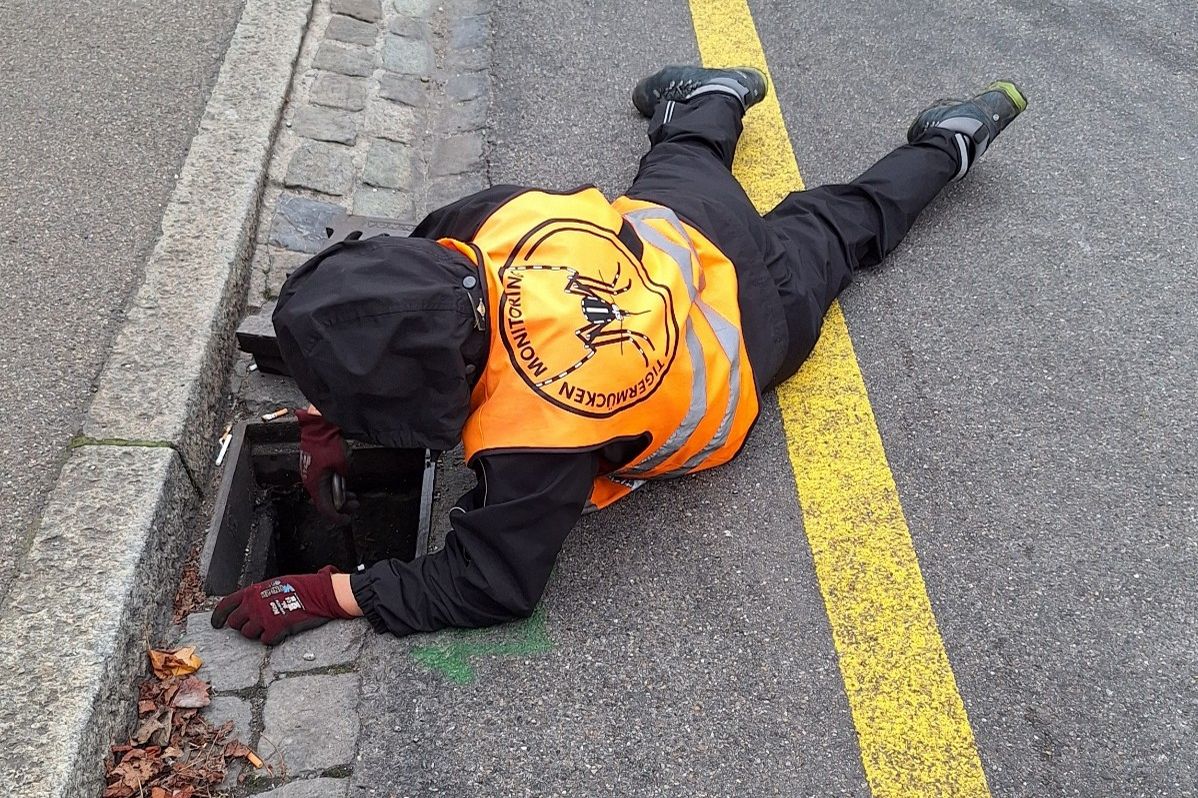
Asian tiger mosquito monitoring
On behalf of the cantons of Aargau, Basel-Landschaft, Basel-Stadt, Lucerne, Nidwalden and Solothurn, as well as the City of Bern, Swiss TPH is monitoring the Asian tiger mosquito. This includes developing tailored surveillance strategies, identifying suitable trap locations, installing specialised mosquito traps and carrying out regular inspections.
The data collected is analysed continuously and shared with the relevant authorities, who can then inform the public promptly and implement appropriate prevention and control measures.
In addition to monitoring the distribution and prevalence of the Asian tiger mosquito, Swiss TPH conducts behavioural studies and molecular analyses to detect resistance to currently used and alternative insecticides in local mosquito populations at an early stage. We also test captured mosquitoes for pathogens that may be present in local populations.
TIGER 2.0
The project TIGER 2.0 promotes cross-border collaboration between citizens, researchers and public authorities in the Upper Rhine region to combat the spread of the Asian tiger mosquito, which can transmit diseases such as dengue and chikungunya. The project aims to reduce the burden on the population and the risk to public through citizen science, joint interactive mapping, the evaluation of control methods and coordinated measures. → Read more
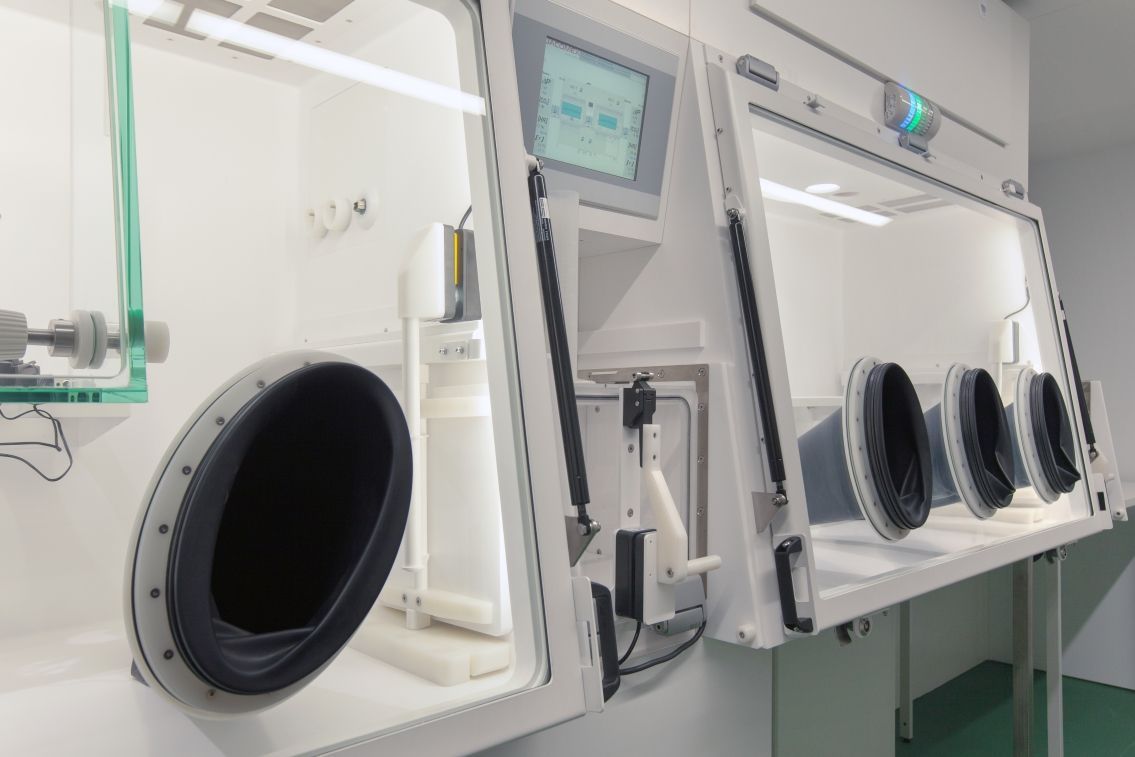
INOVEC
INOVEC promotes joint research and innovation to improve the monitoring and control of Aedes mosquitoes, which transmit emerging viruses in Europe and beyond. At the heart of INOVEC lies a dynamic pan-European network of partner institutions with expertise in mosquito research, the social sciences and product development.
This multidisciplinary collaboration aims to promote cutting-edge research, strengthen institutional capacity, enhance career prospects and facilitate the transfer of knowledge and technology to regions that are becoming increasingly affected by mosquito-borne diseases. → Read more
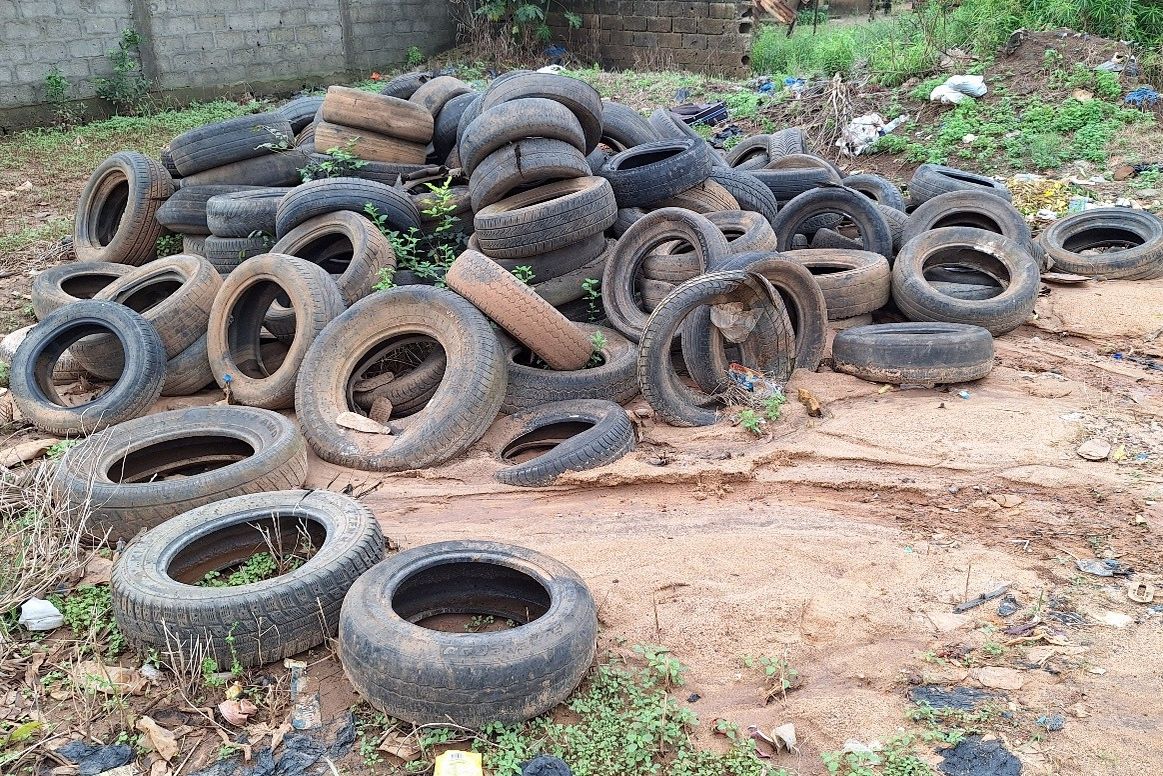
Community initiatives for sustainable dengue control in sub-Saharan Africa
In sub-Saharan Africa, programmes to combat Aedes mosquitoes are either non-existing or mainly follow a top-down approach involving sporadic spraying campaigns against adult mosquitoes. These measures often have only a limited short-term effect, are not environmentally sustainable and fail to address the root of the problem as Aedes mosquitoes breed in small containers of water which are ubiquitous urban areas.
Targeting the larval stages of their development is therefore much more promising, although this requires the active support of the affected communities. This project aims to engage local population in Abidjan, Côte d'Ivoire, in the sustainable control of Aedes mosquitoes by eliminating potential larval breeding sites and trapping egg-laying females. → Read more
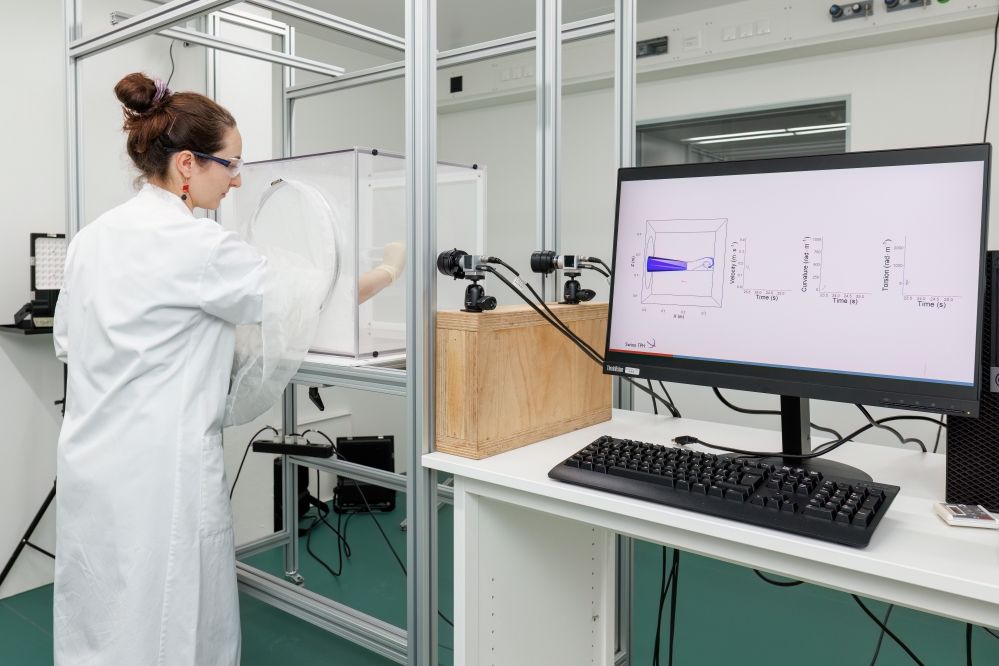
Research and development of products to protect against Asian tiger mosquitoes
Swiss TPH researches and develops new methods of protection against mosquito bites and control of the Asian tiger mosquito, scientifically evaluating their effectiveness. This involves conducting field studies and experiments in highly specialised facilities, including BSL-2 and BSL-3 laboratories, climate-controlled insectaries, and advanced technologies such as 3D video tracking of mosquito flight patterns and olfactometers for analysing odour stimuli.
These facilities support academic research and industry partners in developing and evaluating new products. → Read more
 Pie Müller
 Martin Gschwind
 Bianca Modespacher
 Tobias Suter
 Salome Keller
 Elizabeth Schefer