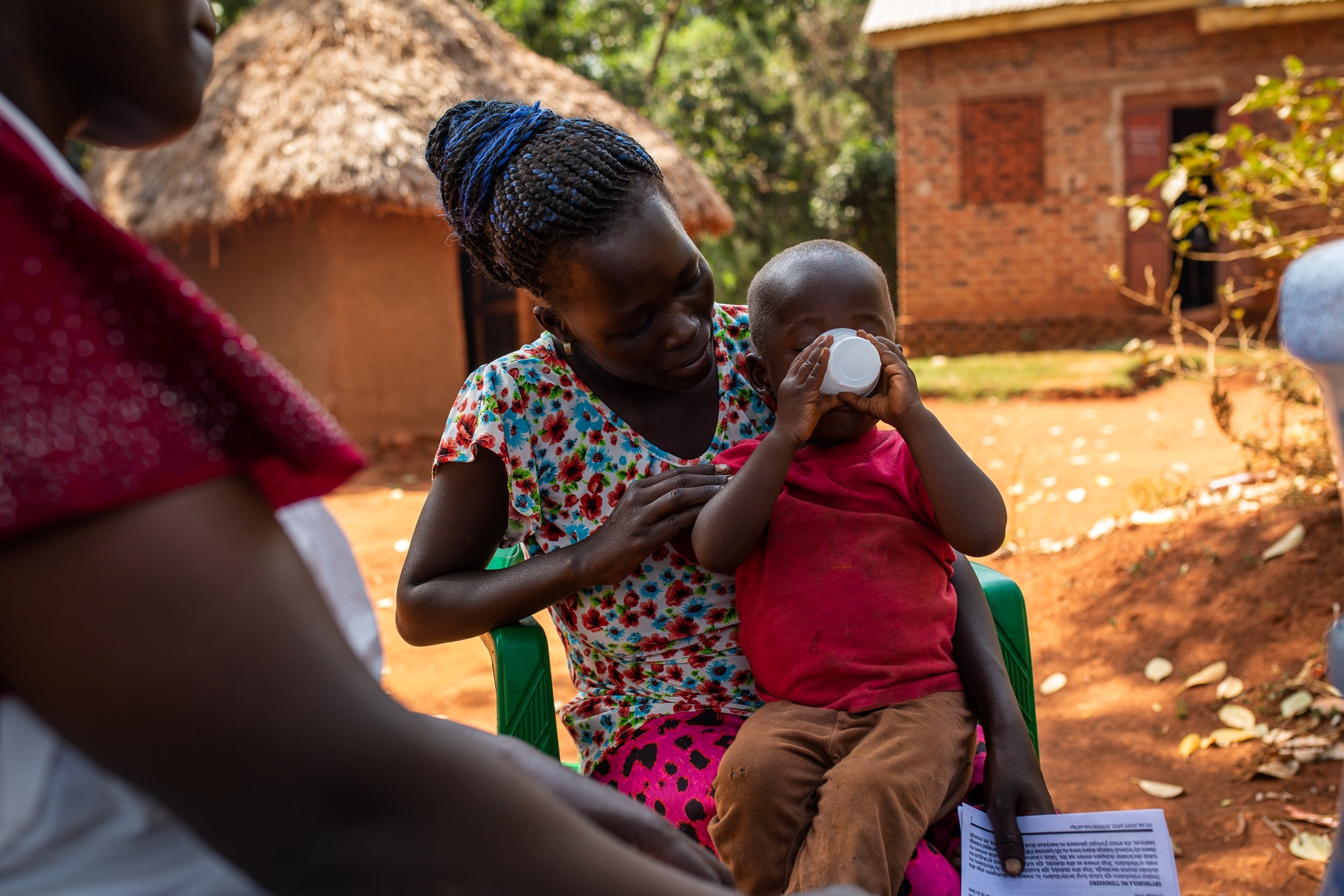
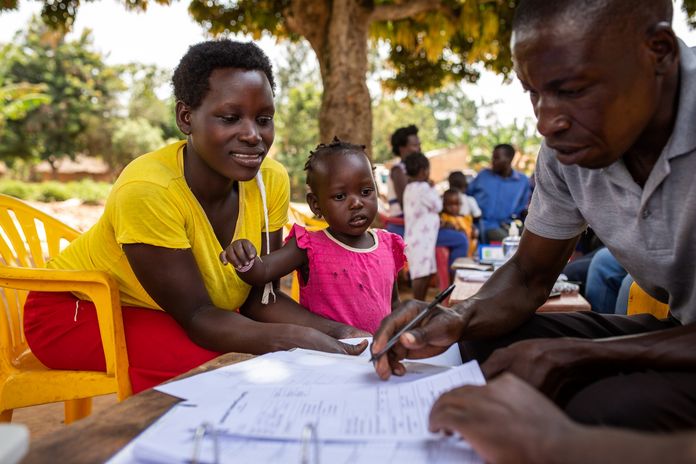
Today marks World Patient Safety Day – a reminder that safe, quality care should reach everyone, including patients who have long been overlooked in the development of medicines. For decades, preschool-aged children at risk of schistosomiasis lacked an approved, age-appropriate treatment. In March 2025, the first child was treated in Uganda with a new drug against schistosomiasis for preschool-aged children. Read the story of a long-term international collaboration that turned an unmet medical need into a new treatment for young children.
Schistosomiasis, also known as bilharzia, is caused by parasitic worms, transmitted through freshwater snails. It affects over 250 million people globally, including an estimated 50 million preschool-aged children and can impair growth, learning and long-term health. In Africa, schistosomiasis is one of the most important parasitic diseases of public health concern.
The critical treatment gap
Although at risk, there has long been no suitable treatment for children under six years. To address this gap, the public–private Pediatric Praziquantel Consortium was established in 2012, bringing together partners from research, the pharmaceutical industry and the non-profit sector. Swiss TPH was part of the founding institutions and contributed across the entire pathway: from early laboratory research to clinical trials to the introduction of the new drug in the first countries.
“Praziquantel has been the main drug against schistosomiasis for decades, but it was not fully clear which pair of the molecule is mainly responsible for killing the parasites,” recalls Jennifer Keiser, Head of Helminth Research and Medicines at Swiss TPH.
In laboratory studies, Swiss TPH researchers compared how the two molecules (enantiomer) of the drug act on different schistosome species and stages, generating the evidence needed to guide the development of a more targeted, child-friendly treatment.
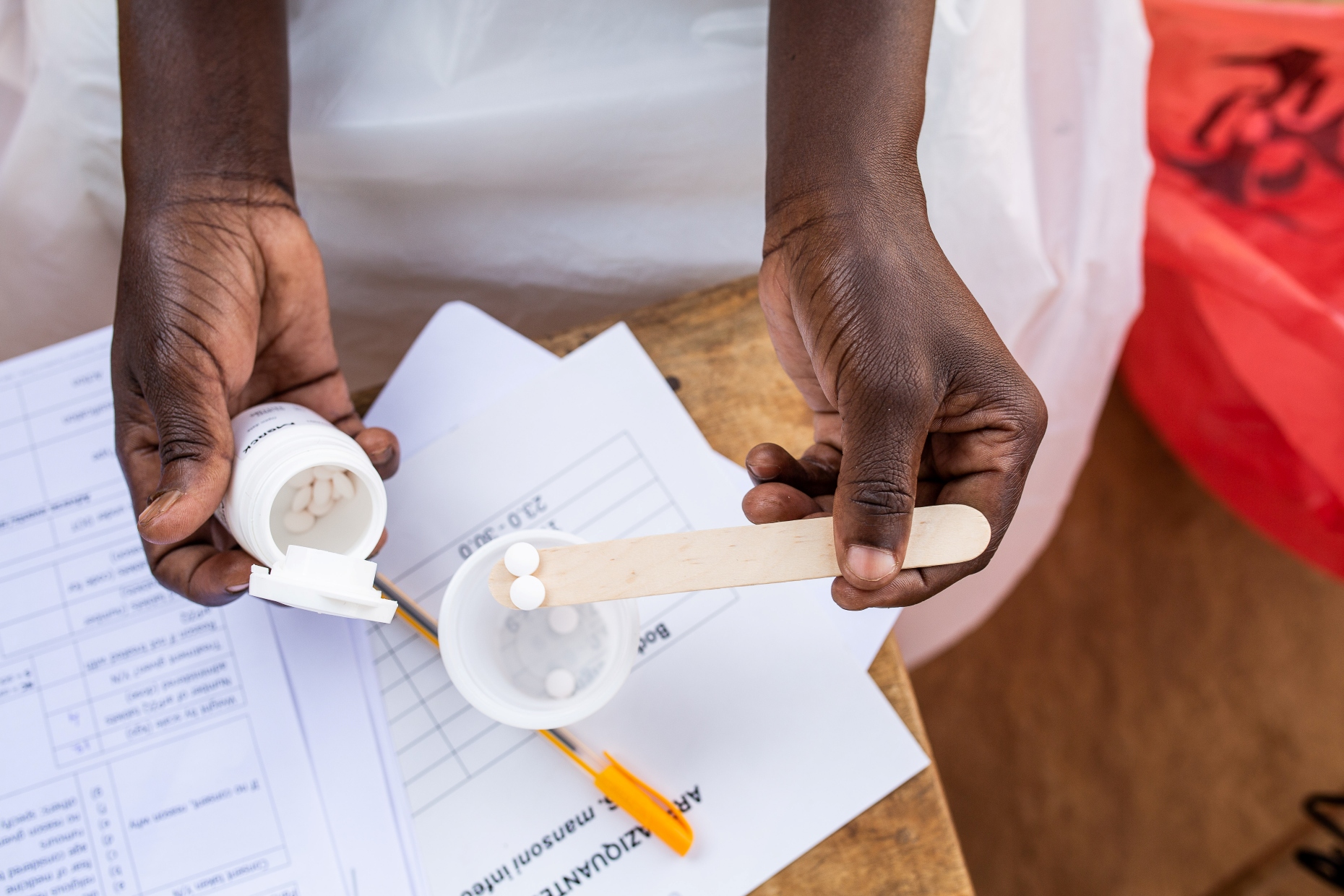
The Consortium worked on defining the right dose, improving taste and developing a formulation that is easy to administer. The result is a new pediatric drug in the form of a dispersible, child-friendly tablet that is stable in tropical climates.
From evidence to action
The clinical trials showed that the new drug is safe and effective for children aged 3 months to 6 years. The results supported regulatory approval: the medicine received a positive scientific opinion from the European Medicines Agency in 2023 and was added to the WHO Essential Medicines List in 2025.
Swiss TPH led the implementation of the clinical trials in Tanzania, Côte d’Ivoire and Kenya, working closely with local partners. This required not only conducting the studies in accordance with international standards, but also establishing the necessary infrastructure, building clinical trial expertise, and strengthening local capacities.
"In the past, when a preschool-aged child had schistosomiasis, there was no suitable medicine. Now, we have a tested, efficacious and safe medicine for this age group," said Eric Huber, Project Leader of the clinical trials at Swiss TPH.
Reaching children
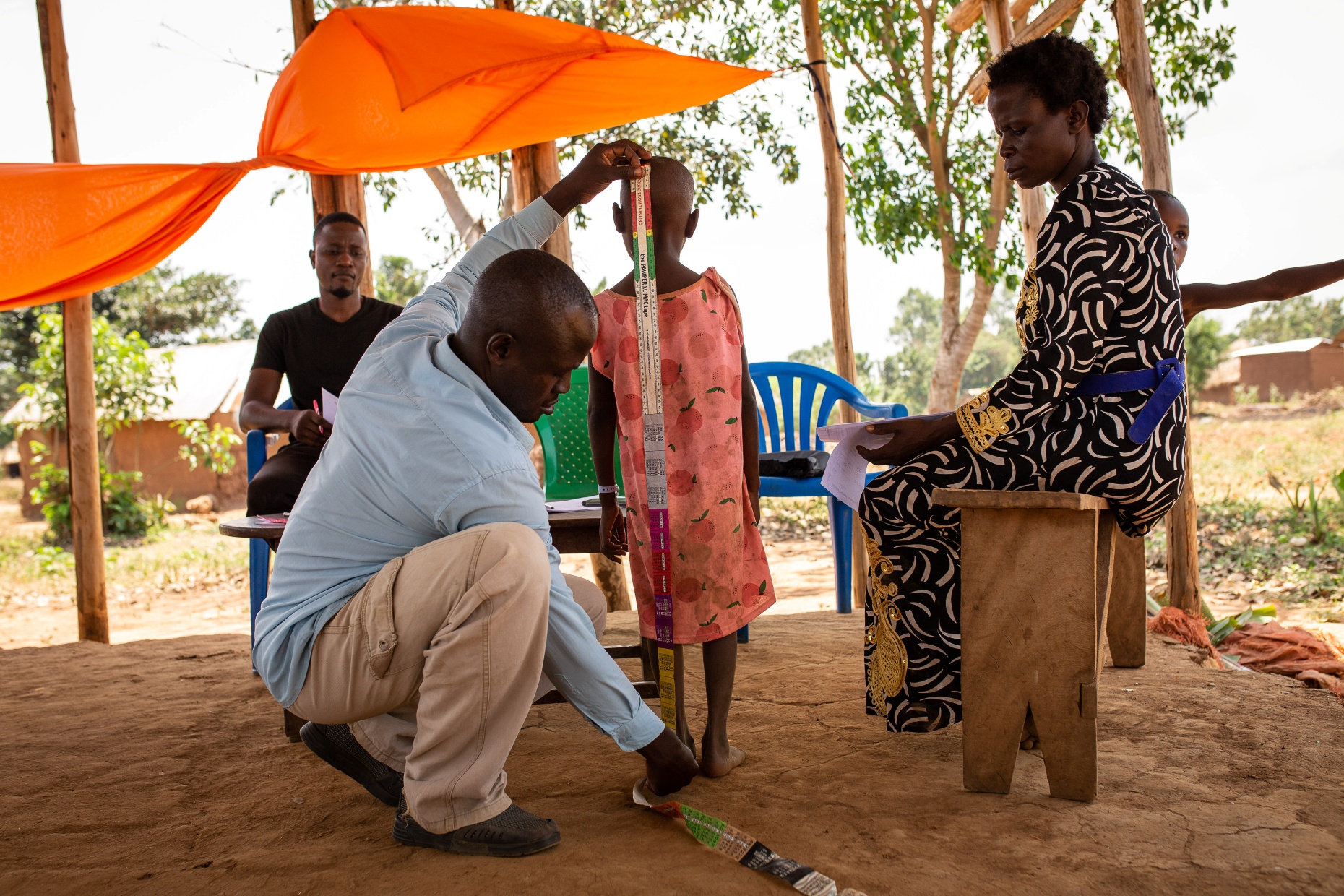
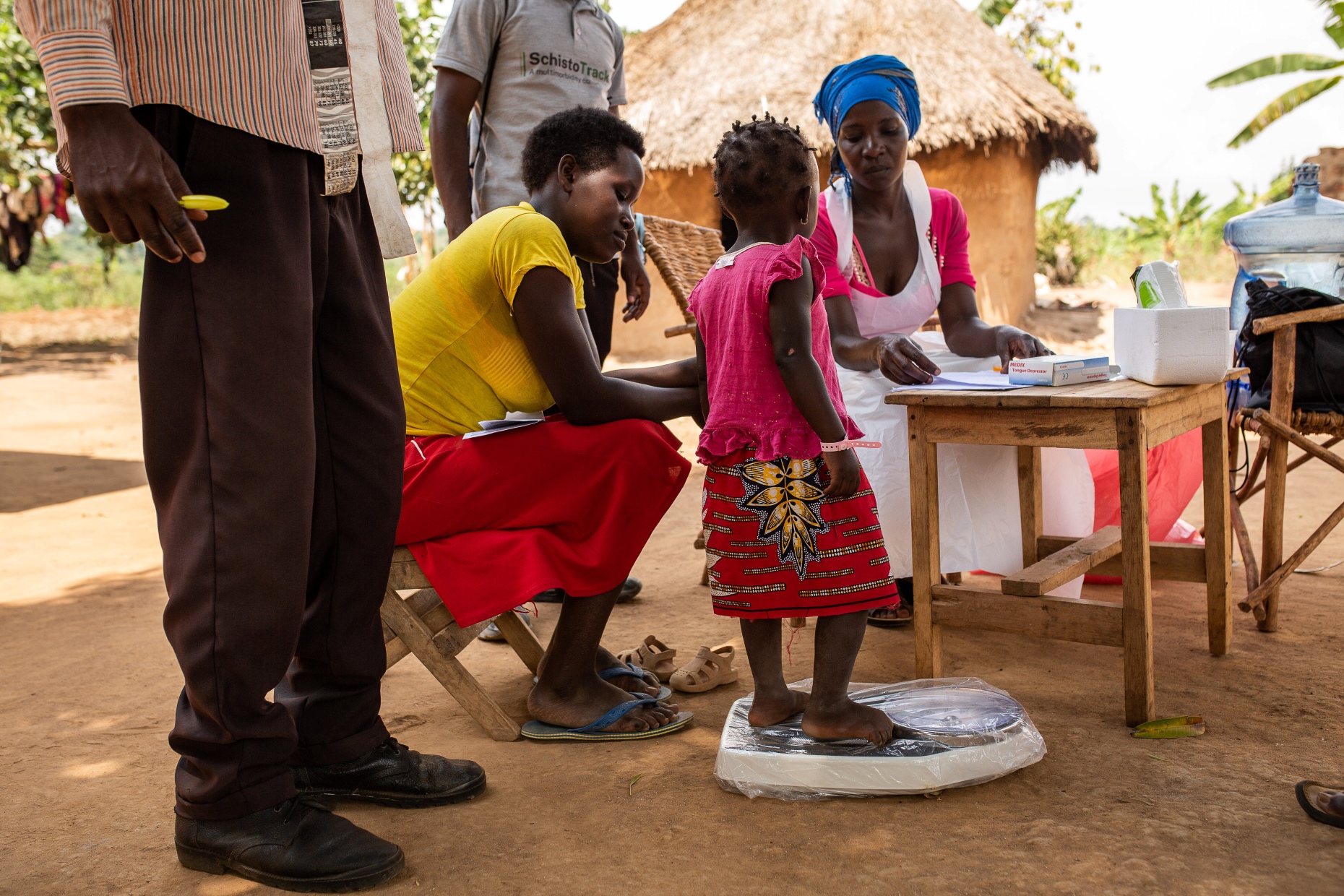
The last mile was to making the treatment accessible. In March 2025, this effort came full circle when the first preschool-aged child in Uganda received the new treatment outside a clinical trial context, marking the moment when years of research translated into care. Working with ministries of health, the Consortium introduced the new treatment in pilot studies in Uganda, Côte d’Ivoire and Kenya, focusing on real-world delivery, acceptability, and health system integration.
“This milestone marked a critical step in closing the treatment gap for young children and advancing efforts to eliminate schistosomiasis as a public health problem,” stated Peter Steinmann, public health specialist at Swiss TPH.
At the same time, preparations are underway to enable large-scale production of the drug in Africa, supporting long-term, sustainable access and strengthening local manufacturing capacity.
The introduction is now expanding to other countries, including Tanzania and Senegal, with the aim of reaching more children in need. This is supported by local registration of the drug with relevant authorities.
The development of the new treatment – from early research to clinical trials and access – illustrates how long-term partnerships can translate scientific evidence into practical solutions that improve children’s health.