

Basel is known around the world for spectacular architecture and art – and for life sciences. For generations, the region has fostered innovation through scientific discovery, chemical and pharmaceutical expertise, academic excellence and entrepreneurial ambition. Yet, its real strength cannot be explained by the presence of major pharmaceutical companies (e.g. Novartis and Roche) or renowned research and teaching institutions alone. It stems from a unique combination of openness, a large pool of talents in the public and private sector, complementary expertise and collaboration within and across borders.
This combination matters more than ever. Today’s global health challenges – from climate-sensitive diseases and antimicrobial resistance to non-communicable diseases and health systems under strain – are complex and intertwined. No single discipline, institution or country can solve them alone. Addressing these issues requires transdisciplinary approaches, sustained collaboration and trusted partnerships. That is the role Swiss TPH has built, expanded and cultivated over decades: anchoring Basel’s innovation ecosystem, translating discovery into real-world impact and convening people and institutions across cultures, disciplines and sectors.
An ecosystem built on connection
Innovation rarely follows a straight path. A discovery must be tested, adapted to different contexts and brought into practice before it can make a difference. Basel is well placed to support this process because much of the expertise required is concentrated within one region. Researchers, companies, investors and public authorities work within easy reach of one another, while maintaining strong ties beyond the region.
![Jürg Utzinger, Director Swiss TPH [left] and Johannes Senn, CEO Senn Resources AG](/fileadmin/user_upload/SwissTPH/Pictures/Blog/2026/02_J%C3%BCrg_and_Johannes_Senn.jpg)
The bustling life sciences hub, Switzerland Innovation Park Basel Area Main Campus (SIP Main Campus) in Allschwil, close to Basel, has become a vivid example of this. Swiss TPH works alongside a diverse range of neighbours and partners, including the Innovation Office University of Basel, the Department of Biomedical Engineering of the University of Basel (DBE), CSEM, Johnson & Johnson, Viatris, Basilea Pharmaceutica, the Botnar Institute of Immune Engineering – BIIE and SKAN, to name but a few. A recent supplement to the NZZ am Sonntag highlighted the development of the SIP Main Campus and the power of the 'campus effect'. It showcases how modern infrastructure, specialist knowledge, proximity and partnership create the conditions for innovation.
The reach of this ecosystem extends well beyond the campus itself. For example, in a project supported by the Basel Research Centre for Child Health (BRCCH), Swiss TPH and DBE are working with partners in Tanzania to use cutting-edge image analysis to assess the efficacy and durability of insecticides on bed nets to support informed decisions by malaria control programme officers. Another example is the close collaboration between Swiss TPH and the Innovation Office to support promising research and innovations within the frame of the Swiss Leading House for Africa mandate by the Staatssekretariat für Bildung, Forschung und Innovation SBFI. These projects show how complementary strengths within and across Basel can be combined with long-standing international partnerships to address public health challenge.
Swiss TPH as an anchor and translator
Swiss TPH made an early, long-term commitment to this life science ecosystem. Indeed, Swiss TPH was one of the first institutions to establish its headquarters on what is now the SIP Main Campus. We did not simply join an existing ecosystem; we helped shape it right from the beginning. By establishing ourselves at the heart of the emerging campus, we brought decades of experience in translating scientific evidence into policy and practice – a capability that remains distinctive today.
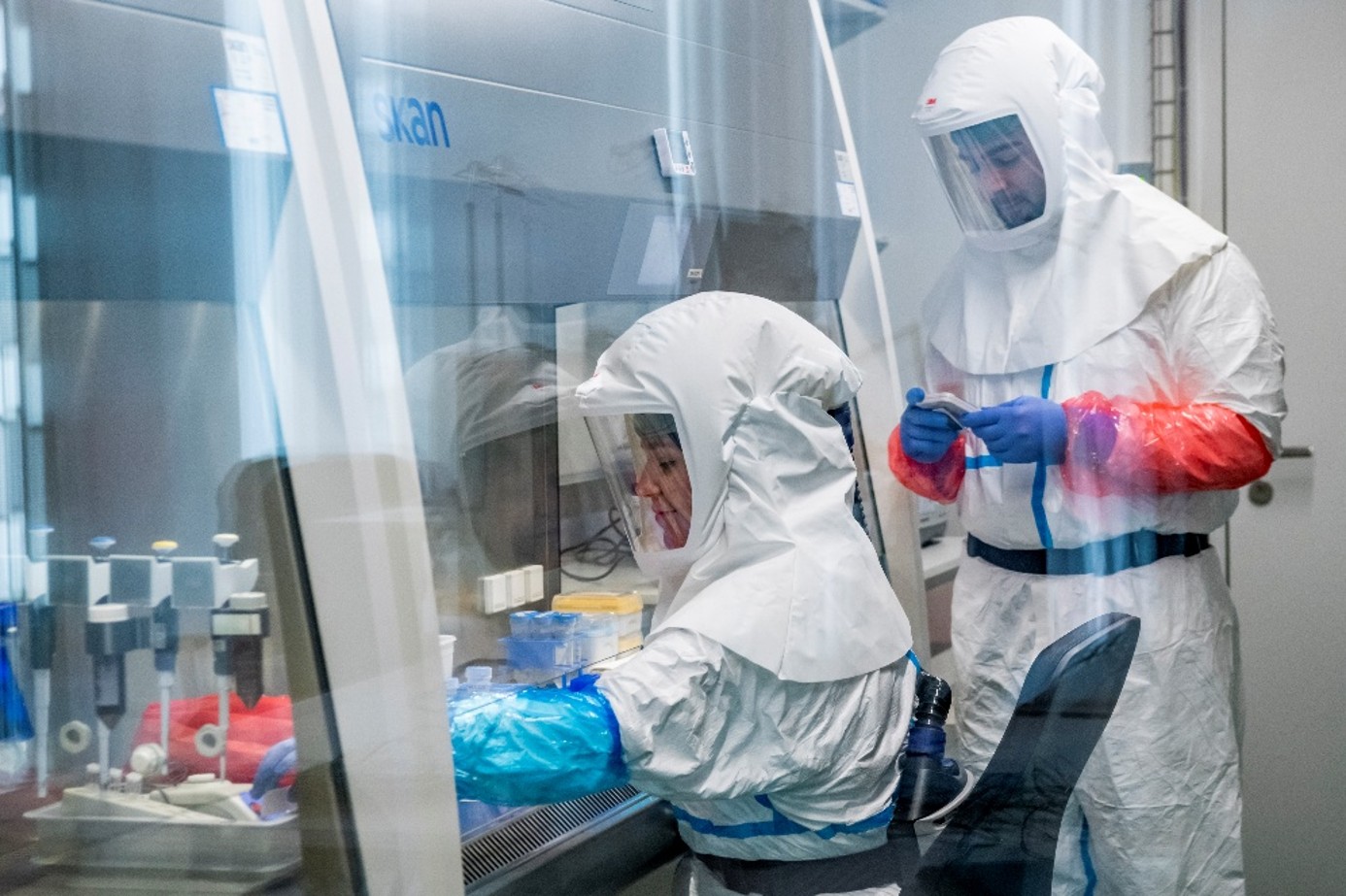
A promising drug, diagnostics, vaccine or vector control tool is not yet a health innovation. It must be validated in different settings, integrated into health systems and made accessible to the people who need it most. Swiss TPH works along this pathway; from laboratory research and clinical studies to policy and implementation. We ask not only whether an intervention works, but how it can be implemented equitably and sustainably to maximize impact.
Convening at home and across borders
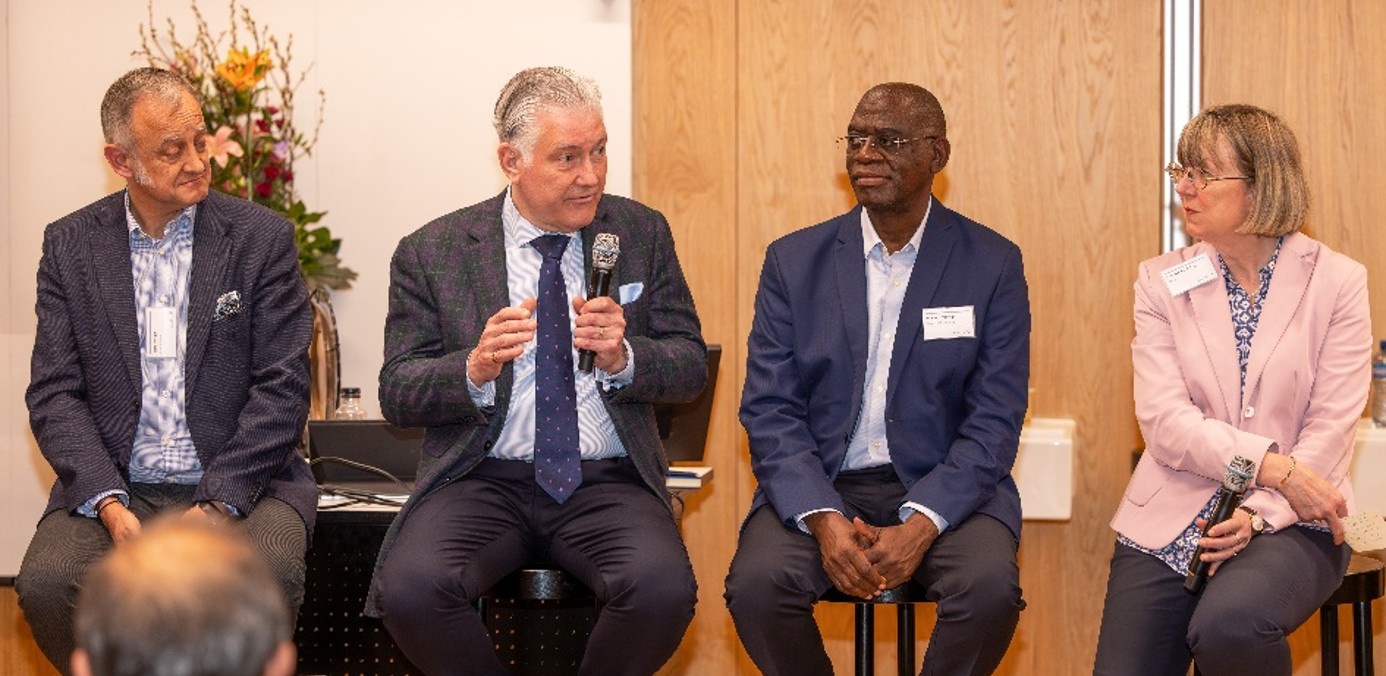
Collaboration does not happen automatically. It begins when people who approach the same challenge from different angles, have the necessary resources and common space to understand one another and work out what they can best achieve together. Swiss TPH has a track record in fostering equitable partnerships to advance global health.
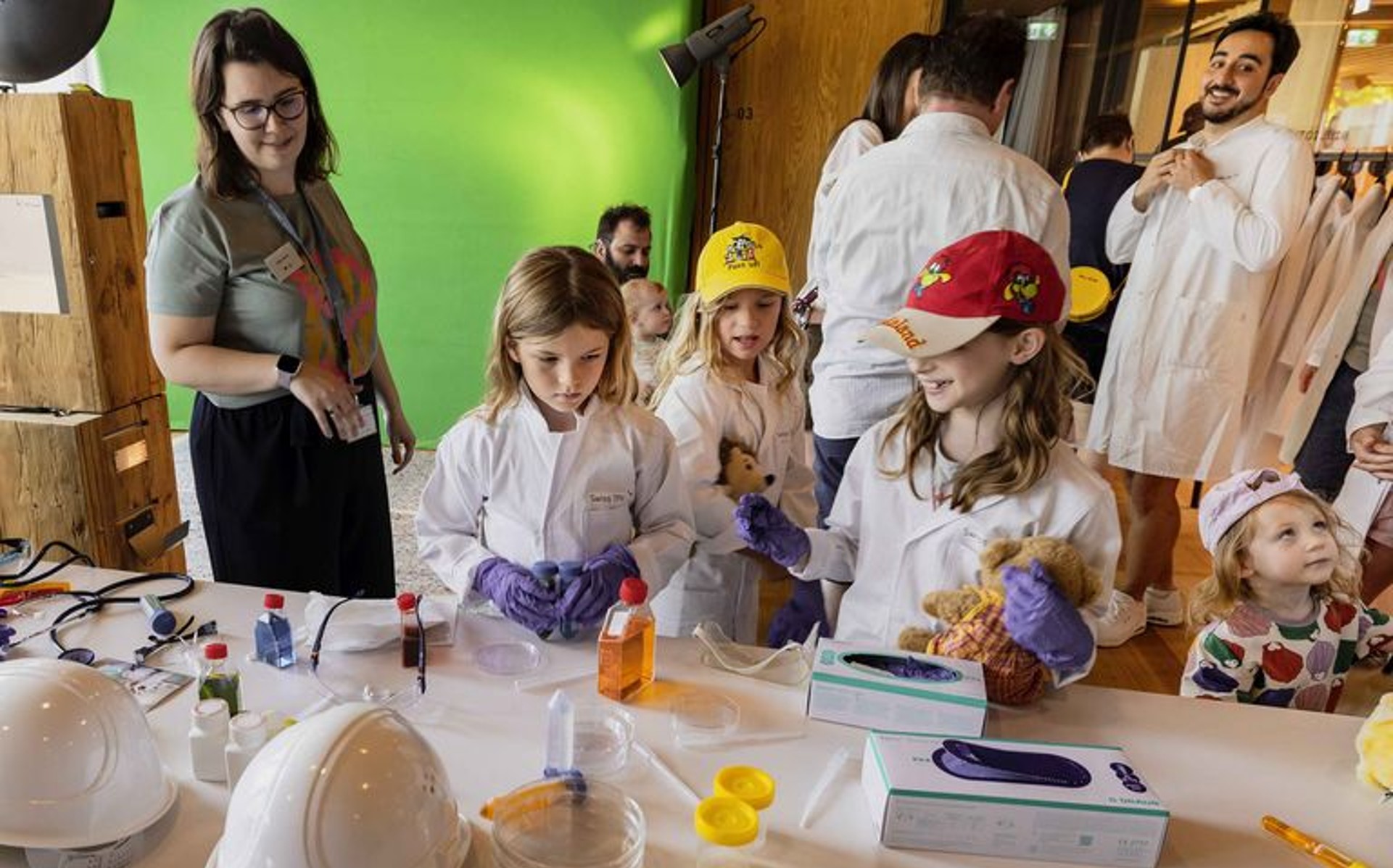
But convening is not limited to expert communities. At our Open House in June 2023, more than 6,000 people visited our laboratories, met researchers and took part in activities, workshops and scientific lectures. The event brought science to society, making research accessible – also to children – and sparking dialogue about health challenges affecting people in Basel and around the world.
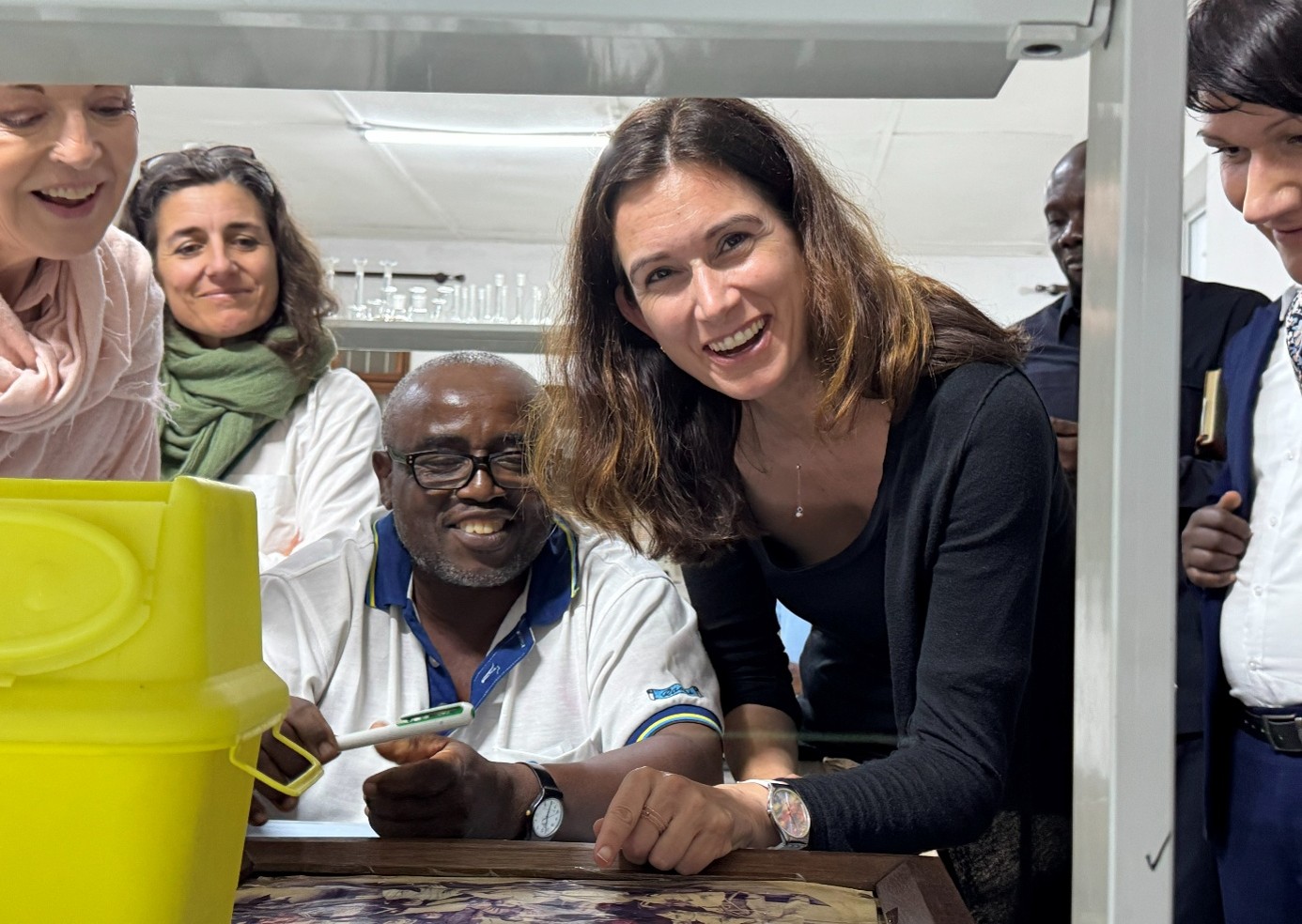
The same approach extends beyond Basel. In April 2026, a delegation of Swiss parliamentarians travelled to Tanzania, accompanied by colleagues from Swiss TPH, the Universitätsspital Basel (USB) and Novartis, visited long-standing partners, including the Ifakara Health Institute and the Ifakara Innovation Hub. The visit allowed Swiss policymakers to see first-hand how research cooperation strengthens health systems and contributes to innovation in both Tanzania and Switzerland.
These relationships work in both directions. Knowledge developed in Basel can be tested and adapted in very different settings, while the experience of our partners shapes the questions we ask and the solutions we develop here.
What comes next
Basel and the surrounding region have built an exceptional position as an innovation hotspot, but it cannot be taken for granted. By 2030, SIP Main Campus is expected to grow to around 120,000 m2 of space for over 5,000 highly qualified jobs. The task now is to ensure that this expansion strengthens and further empowers the ecosystem already in place. Additional organisations and start-ups can add valuable capacity, but lasting success will depend on preserving the trust, collaborative spirit and international openness that have made the region innovative in the first place. Swiss TPH is set to play a pioneering role in this endeavour. Together with the R. Geigy-Stiftung, the Fachhochschule Nordwestschweiz FHNW and the University of Basel, it is developing new scientific initiatives that address some of the most pressing health challenges of the 21st century while bringing the partner institutions together under one roof.
What is needed now is clear:
- Keep connecting ideas, people and sectors, because the hardest challenges do not respect institutional boundaries.
- Strengthen the path from discovery to equitable access, judging innovation not only by novelty, but by the value it delivers to people.
- Create a coherent platform for action, enabling Basel’s existing scientific, public health, governance and life sciences communities to co-create, test and advance solutions to pressing health challenges.
- Protect international openness, which is not peripheral to Basel’s innovation capacity but one of its foundations.
This is not the responsibility of policymakers, investors or developers alone. At Swiss TPH, our contribution is clear: scientific excellence coupled with capacity strengthening, the ability to translate research into implementation and the convening power to bring together partners in Basel and around the world.
Basel did not become an innovation hotspot through a single investment. Its strength lies in the way its institutions work together and carry ideas into practice. The challenge now is not simply to preserve this unique position, but to use it – to turn proximity into lasting partnership, to translate knowledge into action and to forge regional excellence into solutions with global relevance.