
Our focus is on delivering training to enhance the practical skills of nurses and midwives. This includes the development of training materials, such as algorithms, the use of manikins and mock-up equipment for practising real-world clinical scenarios, and a structured evaluation system for providing feedback. The project targets lecturers at Technicums, the educational institutions for nurses and midwives in the region, and is based in the Surxondaryo region of Uzbekistan, bordering Afghanistan. Although Uzbekistan is educating a very large number of nurses, the quality of the education, particularly regarding practical skills, does currently not meet international standards.
Our team is responsible for developing the training, facilitating the training of master trainers and providing support for the cascade training through mentoring. KfW intends to build a large simulation centre in Termez, the capital of the Surxondaryo region, with GIZ supporting the capacity building component.
Why it matters
We are facing a global shortage of healthcare professionals – with nurses forming the backbone of healthcare systems, especially in settings with limited resources. At the same time, we recognise the need to improve quality of care. This requires training in line with international standards, with a particular focus on strengthening competencies.
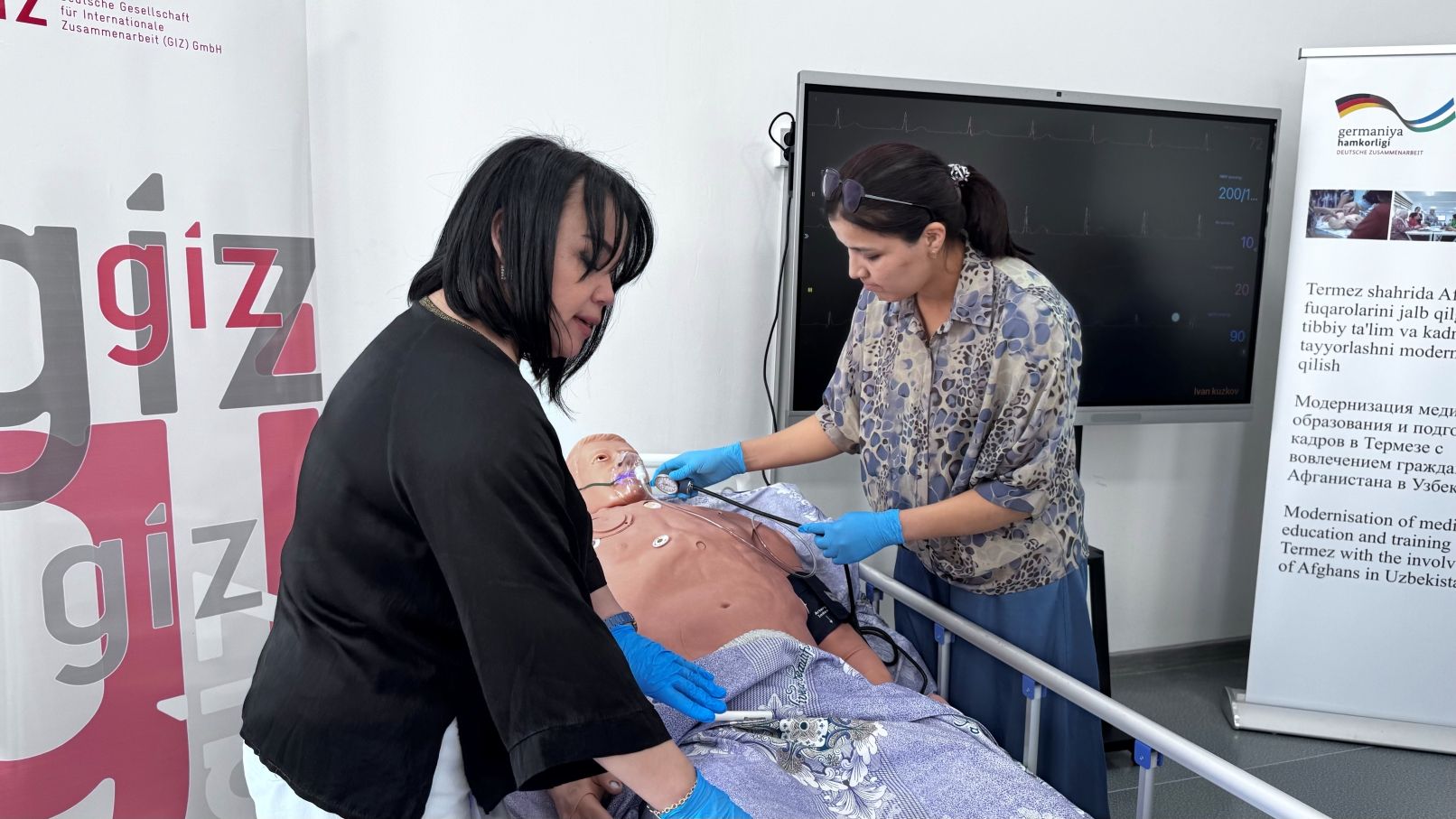
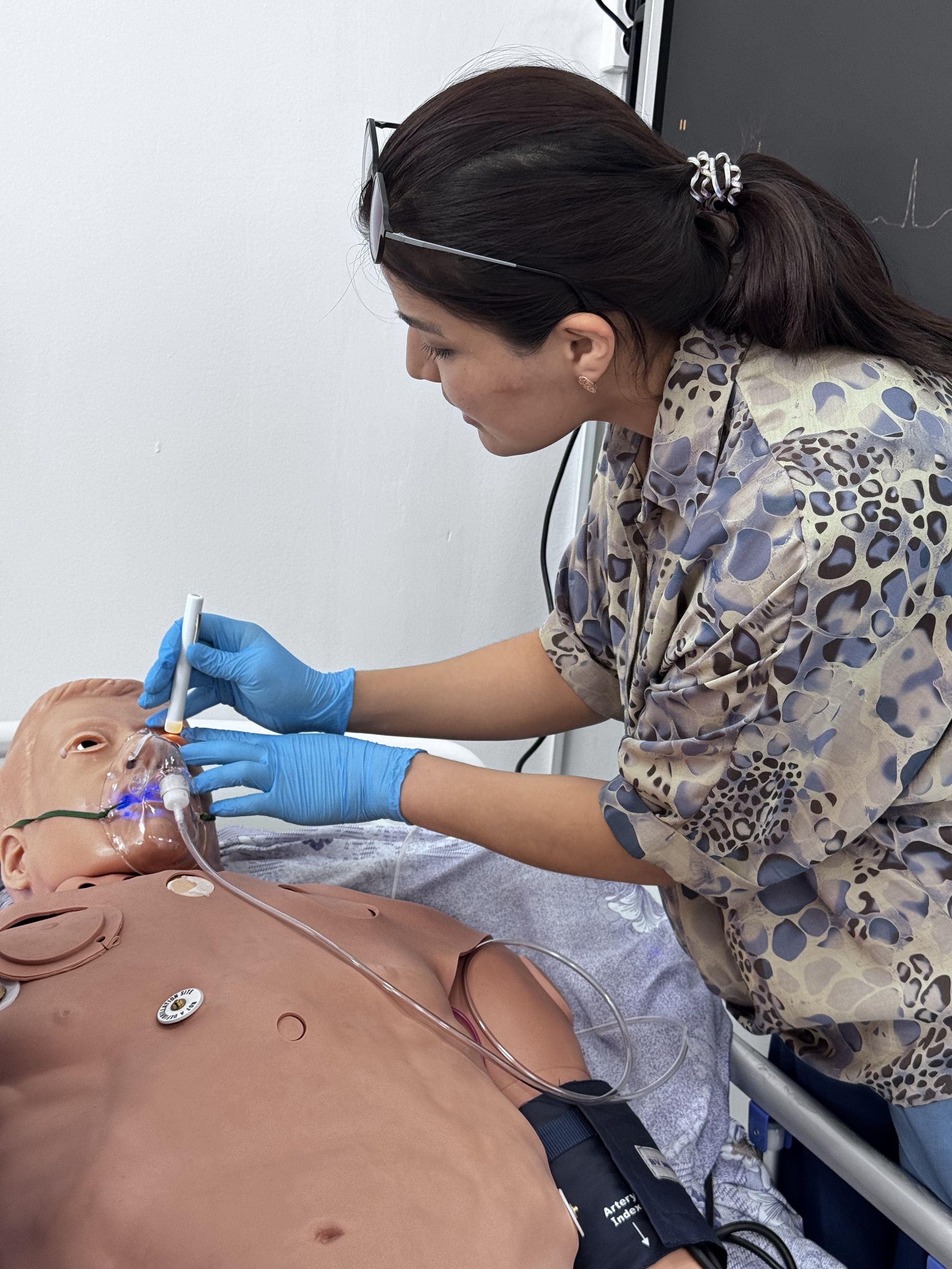
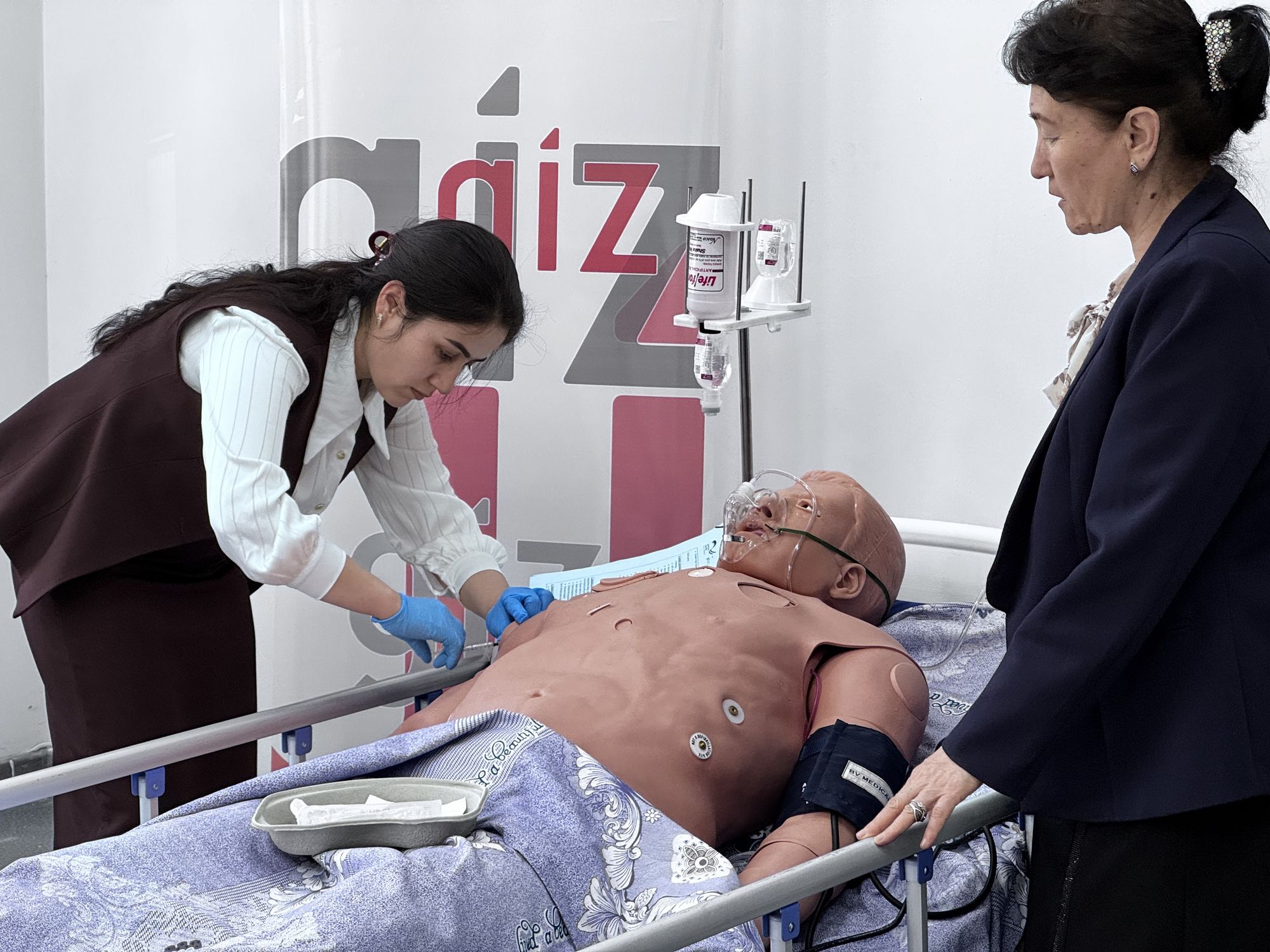
Before caring for real patients, it is crucial to practise on manikins and develop the necessary practical skills. Using algorithms, mannequins and simulated real-life scenarios is a highly efficient way of learning [1]. This year's International Nurses Day theme: “Our Nurses. Our Future. Empowered Nurses Save Lives”, is a reminder that empowering nurses through good education and training directly translates into better, safer care for patients.
Progress so far
The project trained 30 master trainers during a master training held in April 2025. They then cascaded their knowledge to a further 83 participants from eight institutions in the region between May and December 2025. Further training was provided in December 2025 at the Republican Centre for Advanced Training and Specialisation of Mid-Level Medical and Pharmaceutical Personnel in Tashkent, including participants from its 12 regional branches, with two participants from each institution. This expanded the reach of the training beyond Surxondaryo and promoted the integration of practical medical education approaches across Uzbekistan.
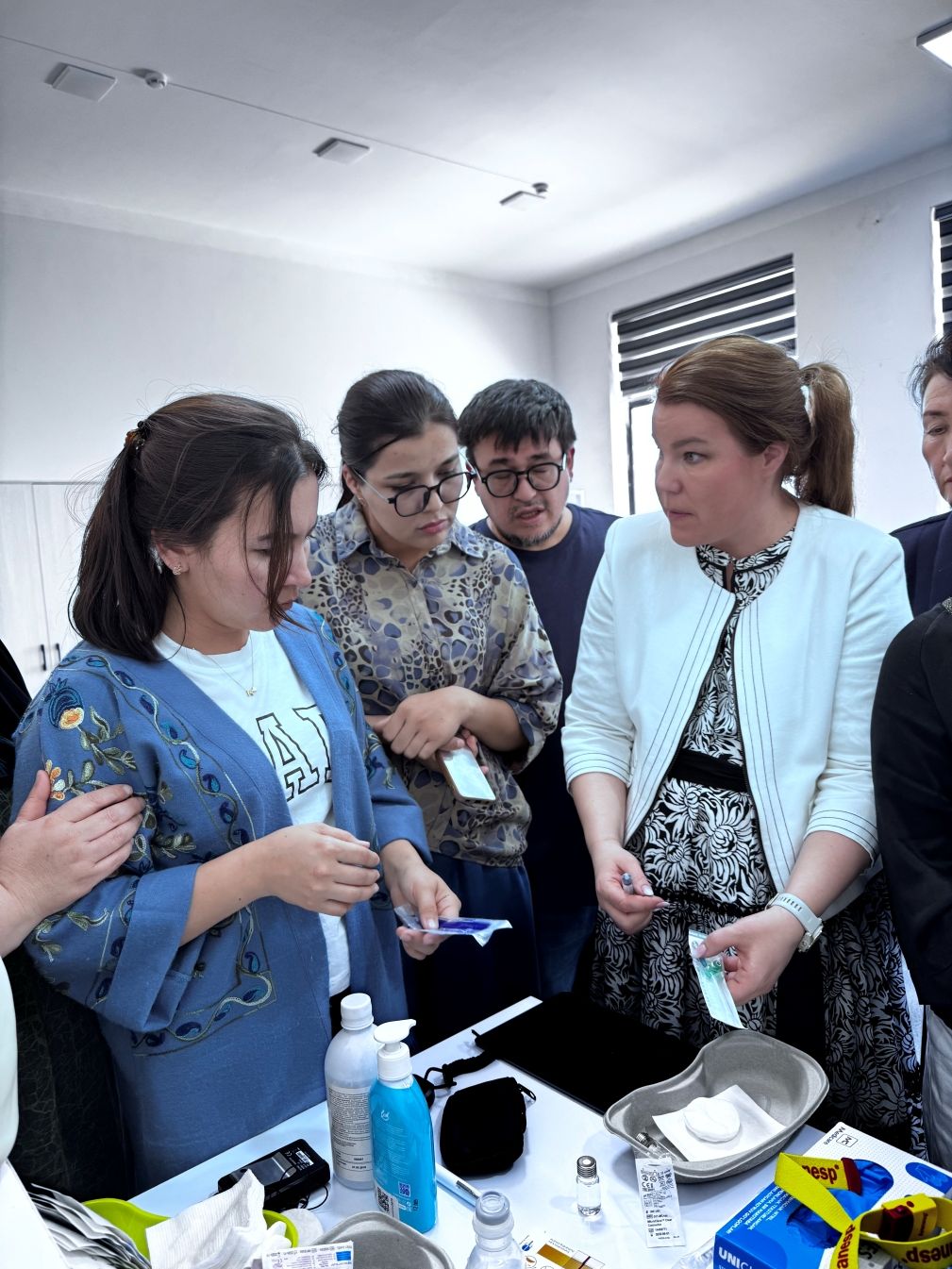
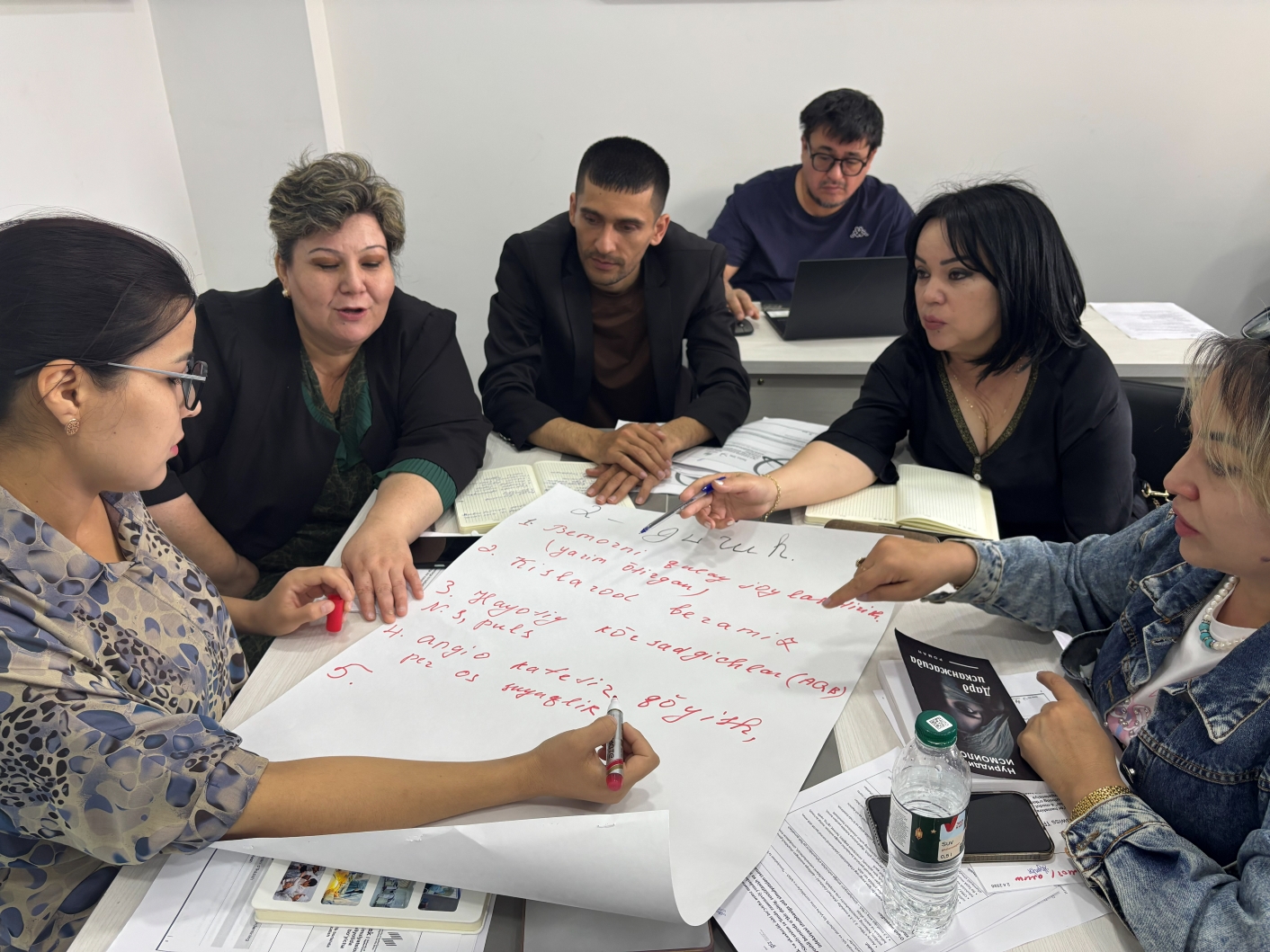
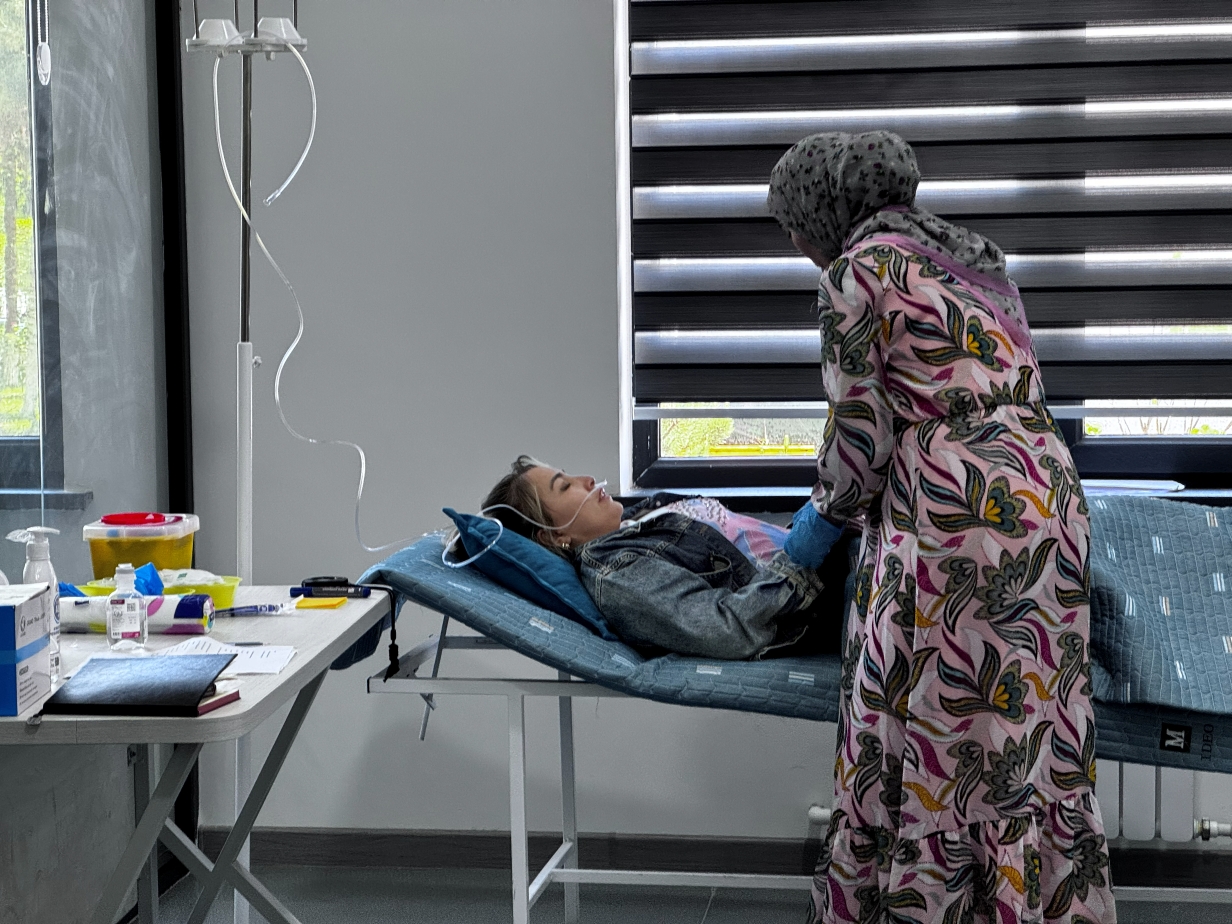
In April 2026, an Advanced Nursing Training in Termez with trainers from Jamk University of Applied Sciences built on these foundations. Activities covered lectures and hands-on simulation exercises. Lectures deepened participants' understanding of simulation-based learning and addressed clinical priorities in acute stroke care and geriatric emergencies, from early recognition and assessment to nursing interventions, care pathways and patient monitoring. The practical simulation sessions then put key elements into practice.
Impact and outlook
In total, 250+ lecturers are to be trained, and they will then pass on their knowledge to the next generation of students. At the KfW simulation centre in Termez, the skills and competencies acquired will be directly applied in the future. In the long term, nurses will be more competent and confident in providing care to patients.
A personal note
What stood out most during the trainings was how extremely keen the participants are to learn. Although skills labs and manikins are available, they are not currently being used as intended in Uzbekistan during teaching. Particularly the young future lecturers and trainers were highly motivated and excited to put these methods into practice.