
What we have achieved together
Malaria was once widespread across Europe, causing tens of thousands of deaths every year. Today, we no longer face malaria transmission here, thanks to sustained investments over decades in surveillance, prevention, and treatment.
Globally, since 2000, an estimated 2.3 billion malaria cases and 14 million malaria deaths have been averted, most of them in sub-Saharan Africa. Several countries have eliminated malaria entirely. Behind these numbers are children who grew up healthier, and who are today part of more stable, more productive societies. These are not abstract statistics. They are the result of decisions taken and sustained over decades.
Switzerland has been part of this progress. Scientific research, product development, and global partnerships anchored in Switzerland have helped shape the tools and systems that made these gains possible.
Recent advances show what is achievable. For the first time, malaria vaccines are being rolled out in high-burden countries. Improved treatments are expanding options in the face of emerging resistance. Vector control continues to evolve. Digital technologies make surveillance efforts more efficient. The tools to control, and ultimately eliminate malaria, are no longer theoretical. They exist.
Why now is the wrong moment to step back
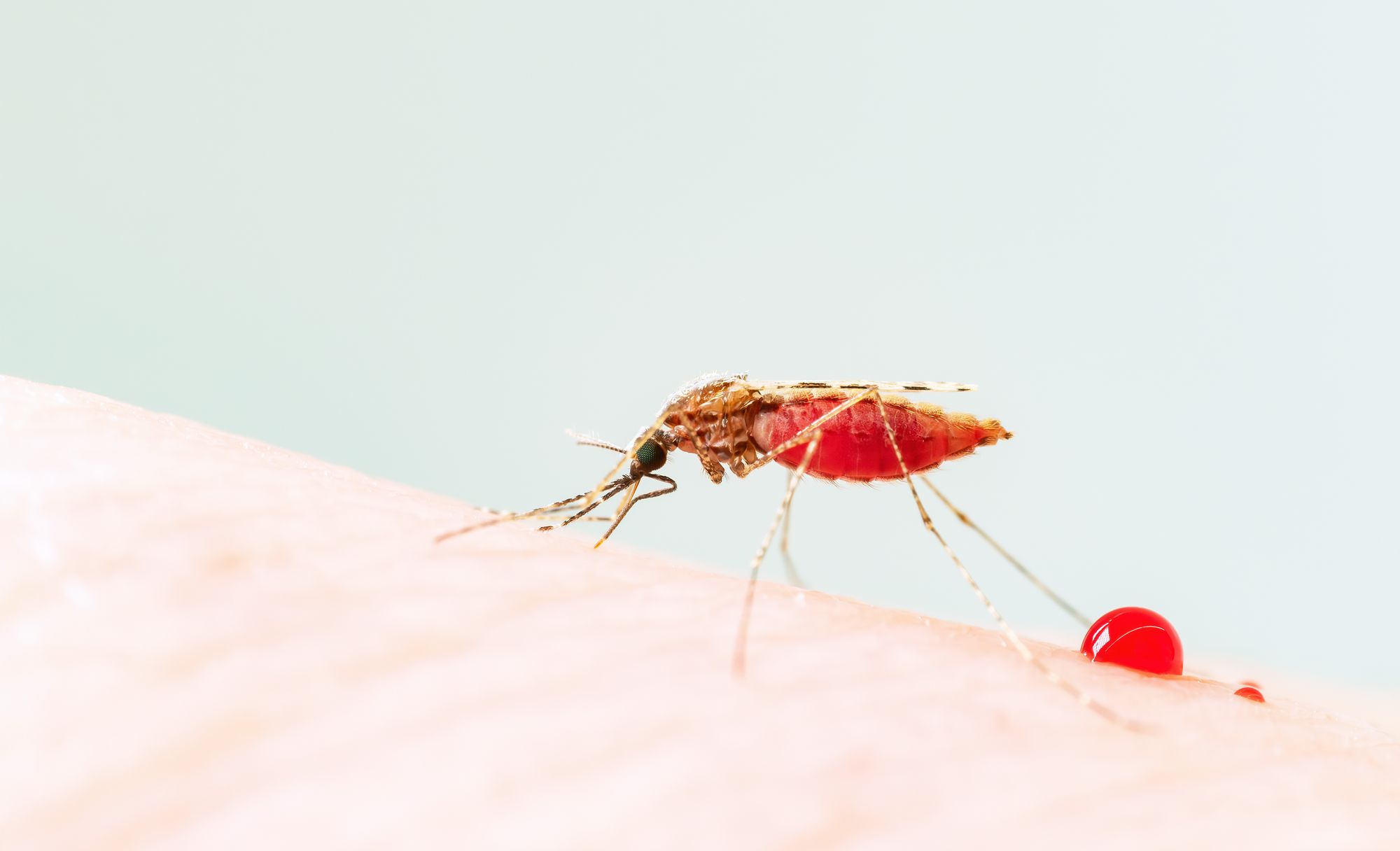
Since 2015, malaria cases have been rising again. And each year, more than 600,000 people still die from the disease, the vast majority of them young children.
At the same time, the financial and political foundations that sustained progress are under pressure. The United States, historically one of the largest contributors to malaria control, has significantly reduced its support. Other donor countries are reassessing their commitments.
„We could end malaria. Yet global commitment is weakening.”
The consequences are already visible. In 2025, mosquito net campaigns for hundreds of millions of people were delayed. Diagnostic tools became scarce. Supply chains weakened.
At the same time, biological risks are increasing. Drug-resistant parasites are appearing, and different and resistant mosquitoes are changing transmission dynamics. These developments make continued investment and innovation even more urgent.
The lessons from history are crystal clear: When funding declines and programmes are weakened, malaria resurges – with a vengeance. This is not inevitable. It is the result of political choices, with direct consequences for affected countries and, over time, for all of us.
Infectious diseases do not respect borders, nor do mosquitoes. The absence of malaria transmission in Switzerland today is not a given. It reflects decades of sustained effort. The more effectively malaria is controlled where it is most prevalent, the lower the risk of re-emergence elsewhere.
Why Switzerland matters
Switzerland plays a distinctive role in the global malaria response. Its contribution is not defined by a single institution, but by an ecosystem that connects research, innovation, implementation, and global coordination.
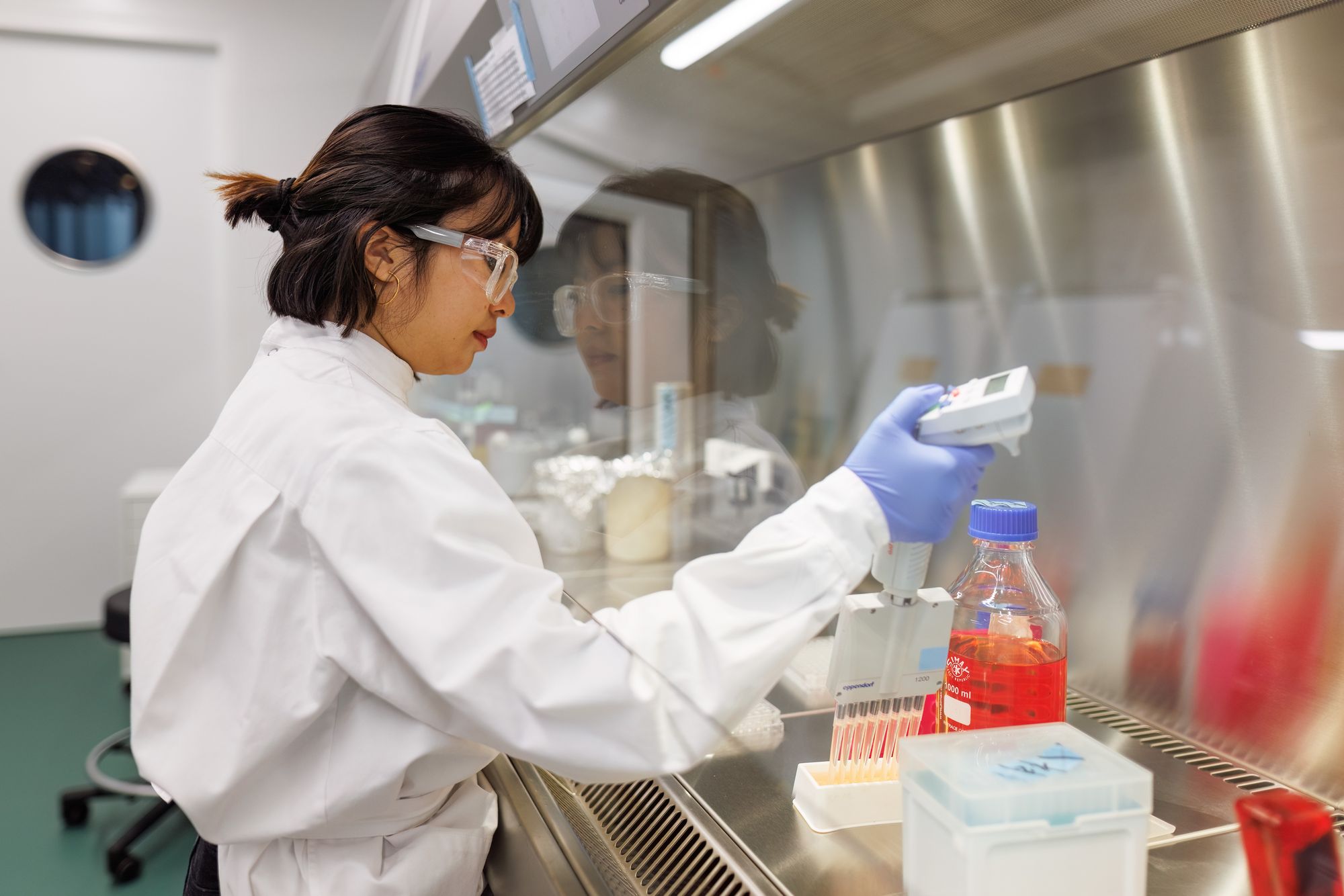
Some of the most visible advances have been driven by Swiss-based actors. The Swiss TPH, together with international partners, has helped bring forward new treatment options at a time when resistance to existing drugs is increasing. At the same time, Novartis has developed the first malaria treatment specifically designed for newborns, addressing a long-standing gap in care.
These advances are part of a broader system. Organizations like Medicines for Malaria Venture coordinate the development of new medicines across sectors, while companies such as Syngenta and Vestergaard contribute to vector control and prevention. Diagnostics and surveillance are strengthened through Swiss-based actors like FIND.
„Switzerland contributes across the malaria response – From research to implementation and global coordination.”
Swiss NGOs such as SolidarMed and Terre des hommes work directly with communities and health systems to ensure that these tools reach people in practice. Global platforms like the Roll Back Malaria Partnership help align actors and sustain coordinated action.
These efforts are grounded in long-term partnerships. The Ifakara Health Institute in Tanzania, which marks 70 years in 2026, reflects decades of Swiss partnership in scientific research and investment in local capacity. Numerous leaders of health agencies trained in Switzerland reflect the long-term impact of investing in local capacity.
This ecosystem is not only outward-facing. It strengthens Switzerland itself, supporting scientific excellence, innovation, and international collaboration. In an increasingly interconnected world, it is part of the country’s resilience.
What is needed now
We stand at a critical juncture today. With sustained investment, malaria elimination remains within reach in many places. We must not lose sight of that.
For Switzerland, this means maintaining and strengthening its engagement.
At the global level, Switzerland’s contribution to the Global Fund, the central multilateral financing mechanism for malaria, must be sustained without reduction. Recent commitments, including CHF 64 million for the 2026–2028 period, send an important signal of reliability at a time when others are stepping back.
At the same time, Switzerland’s broader engagement in global health must remain a priority. In a context of competing demands and shifting geopolitical priorities, continued investment in international cooperation is essential.
Switzerland also has opportunities to act domestically. As a hub for research and innovation, it benefits directly from the global partnerships that underpin progress against malaria. Strengthening these connections is both a contribution to global health and an investment in the country’s own future.
A choice with consequences
We have the knowledge, the tools, and the partnerships to push malaria further back than ever before.
Stepping back now, at a moment when progress is within reach, would be a deliberate political choice. It would have severe consequences for millions of people. And ultimately, it would also affect us.