
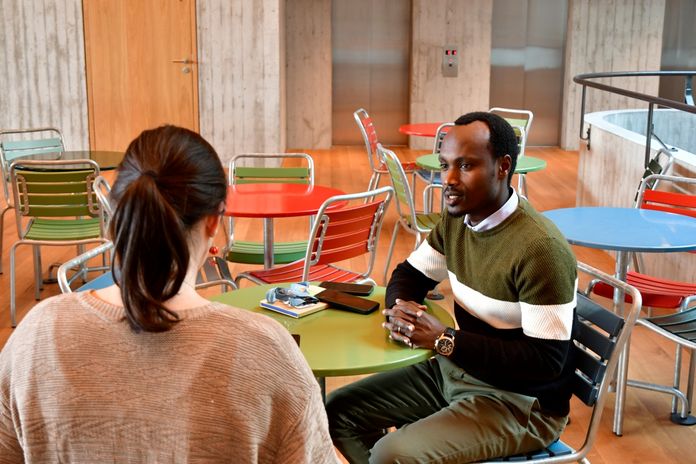
In Rubavu, Rwanda, young people are taking the lead in improving community nutrition and health. Through the Nutrition in City Ecosystems (NICE) project, youth groups are helping families build kitchen gardens, promote healthy eating, and create new income opportunities. We spoke with Deo Ngoga Kalisa, Youth Coordinator for the Rubavu District, about how the NICE project inspires youth to take action and create real impact in their communities.
Can you tell us a bit about yourself and your role?
As Youth Coordinator in the Rubavu district, Rwanda, I advocate for young people through the National Youth Council on the district level. Supported by the government, we organise many different community activities – from helping vulnerable households build kitchen gardens and housing to community mobilisation on HIV, malaria or malnutrition. We also link young people to opportunities, training and funding to help them start small businesses, get a job or strengthen their skills. In Rubavu, there are over 150,000 young people aged 16 to 30 – and I coordinate activities for them all. One part of it is to represent youth in the local Food System Platform.
What is the Food System Platform, and how does it work?
Before the Nutrition in City Ecosystems (NICE) project came to Rubavu, there were already many organisations active in different areas like nutrition, agriculture, environment, and community health. NICE identified these existing NGOs and local actors and brought them together through the Food System Platform.
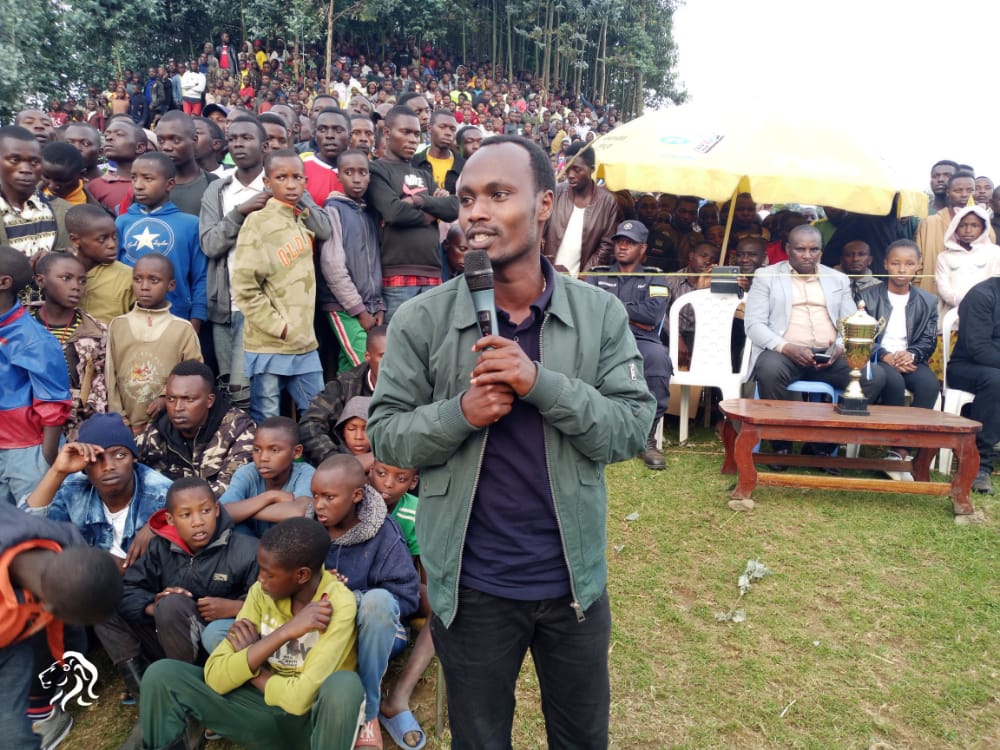
The platform now connects stakeholders from across sectors – district officers, poultry farmers’ and fishers’ representatives, nutritionists, community leaders and NGOs – so we can collaborate more effectively. The food system context is not only looking to people in agriculture or nutrition but it is a context where everyone is concerned. We now pool our knowledge and resources to raise living standards of the local community in a more sustainable way.
Can you share some successful initiatives?
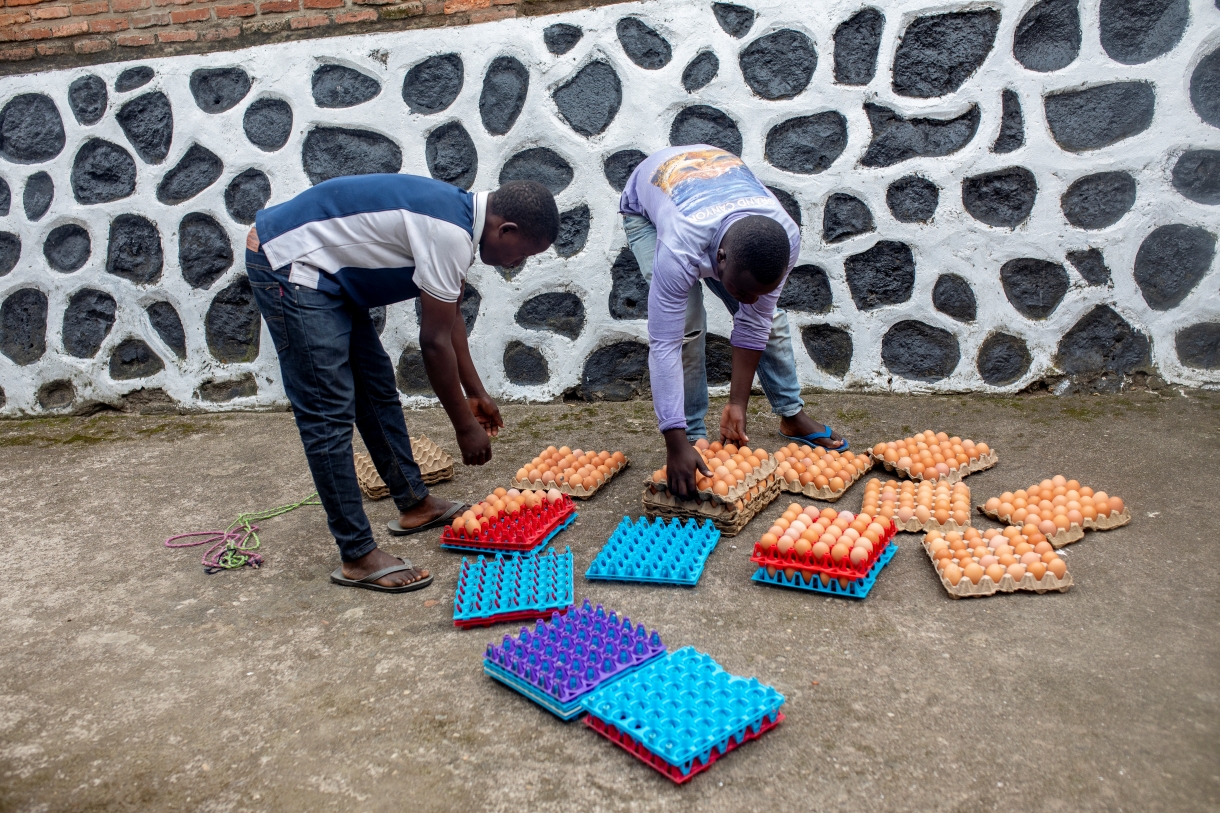
One youth group wanted to start a poultry farm, NICE supported them with a start capital and egg-laying hens. Today, the farm is running very well and is generating money.
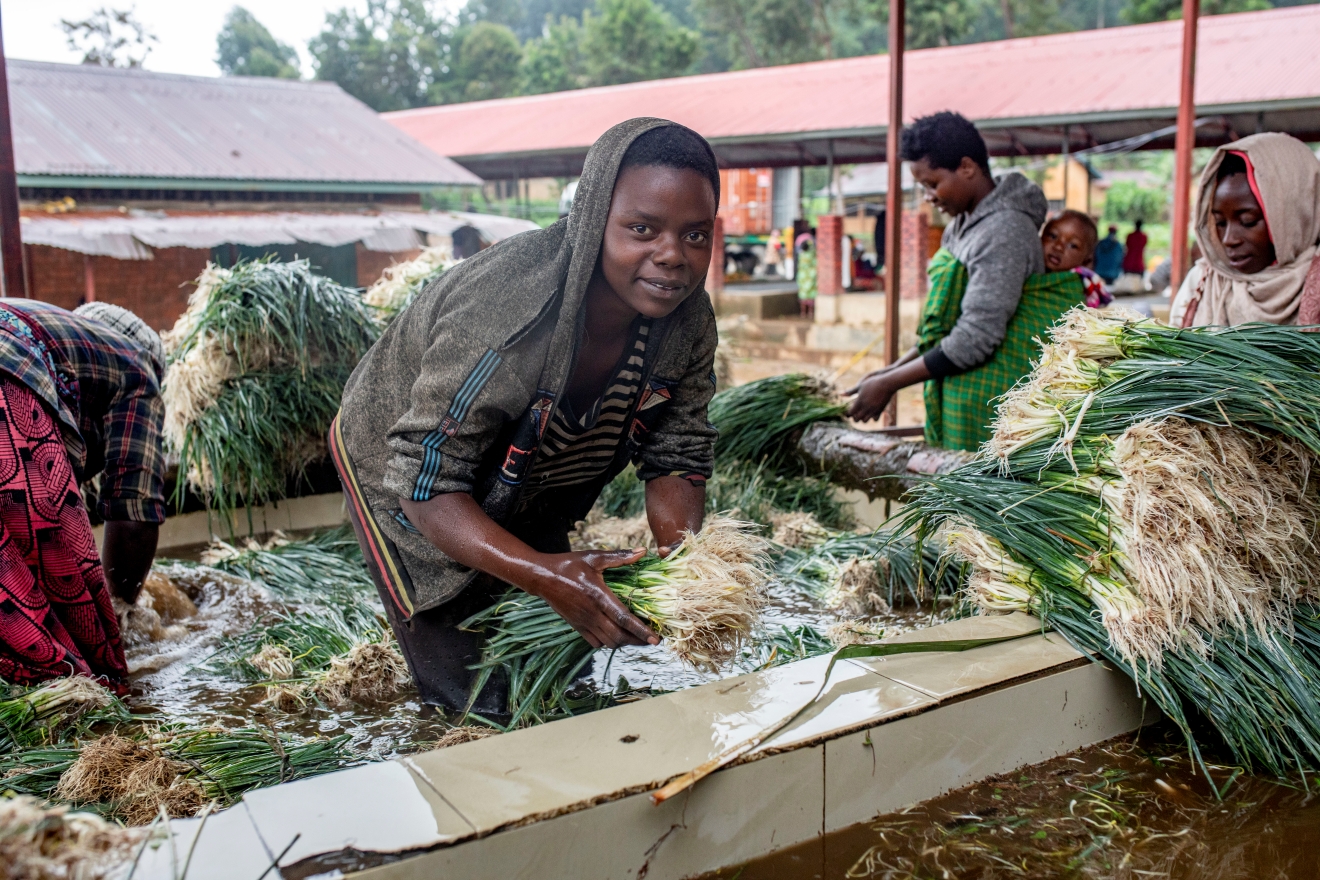
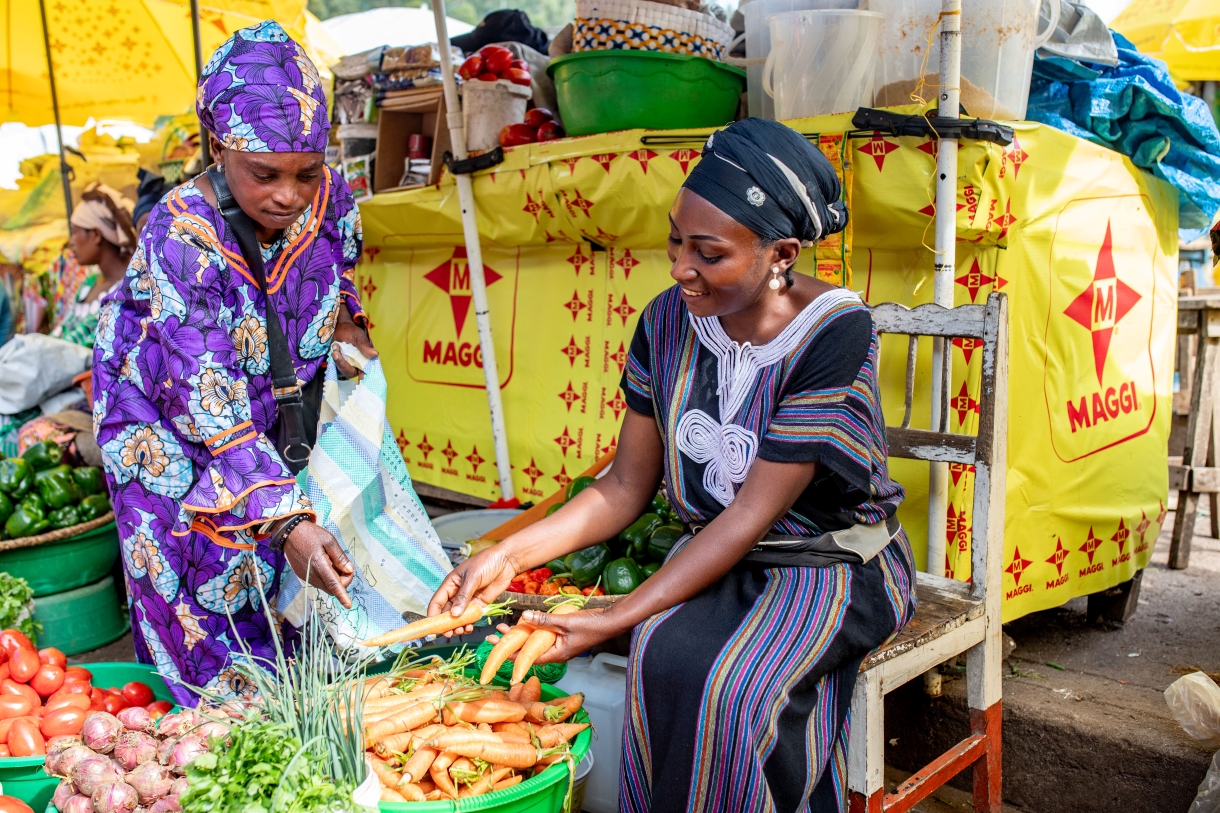
Another project, where NICE was involved, is a famous farmers’ market. Thanks to the support of NICE, the market is now better organised with better infrastructure, allowing the local famers to sell their vegetables in a more efficient and practical way. Also, before they used to wash the vegetables with dirty water. Now there is a facility to treat the water – so the vegetables can be washed with clean water without any risk of illness. Over the last years, 1,140 farmers used the washing facility to sell clean food in Rubavu.
How do you ensure your activities benefit the local community?
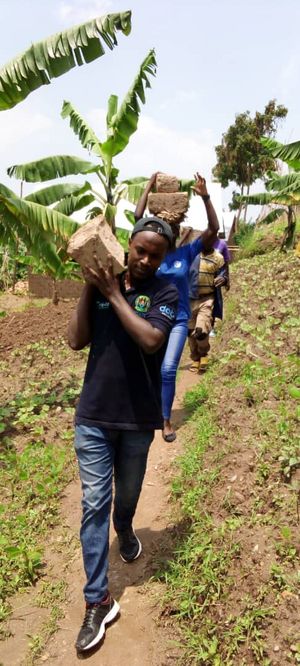
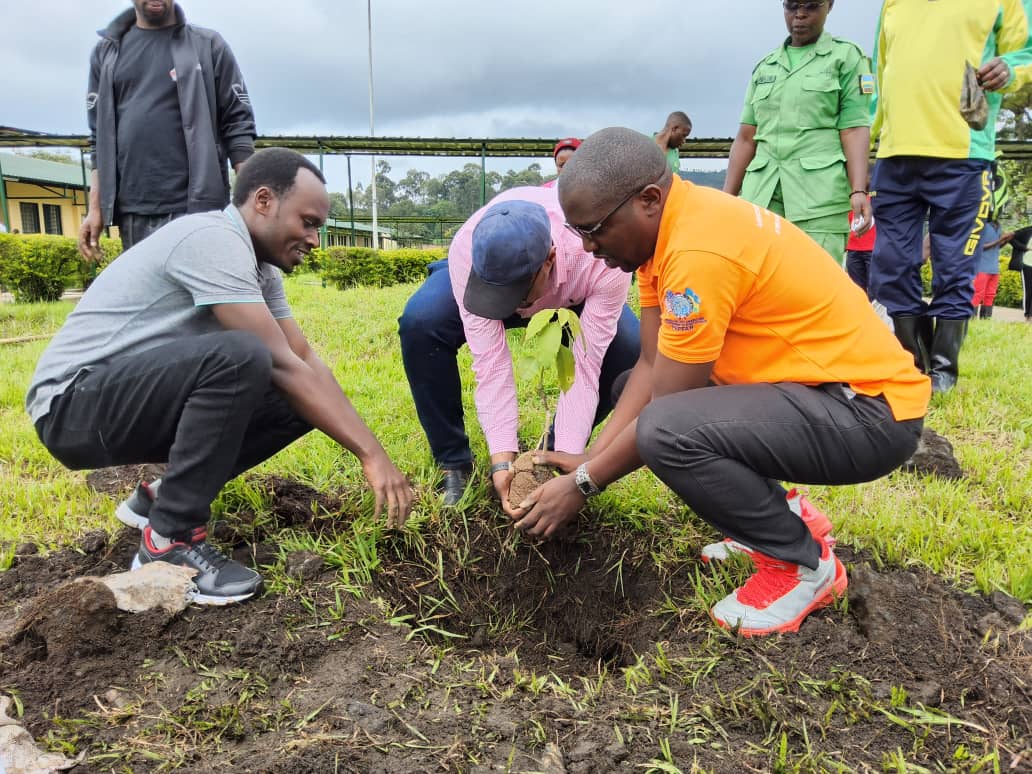
As part of the Youth Council, we often support families identified by the government as vulnerable – they might need new houses, toilets, or kitchen gardens, or have children affected by malnutrition. When the government reaches out, we plan an activity, calling for youth to volunteer to help build gardens or plant trees. We call these volunteering activities Umuganda. It’s when the community comes together to create change. When the government calls for youth support, youth representatives across districts coordinate the details for an Umuganda to address the respective needs.
We also use a Parentage approach: when there is a family with five children suffering from malnutrition, people of the community ‘adopt’ one child, making sure it is fed well. As part of the Food System Platform, we also check if there is a kitchen garden, and if there is not, we think of where and how to best build one. This provides the family with fresh vegetables – and if there is surplus, they can even trade the extra goods for additional income.
How do young people benefit from the NICE project?
Through the NICE project, the youth experience motivation. Before, we were already doing community work, but in a less professional way. Now, we can pool resources and benefit from the experiences of previous projects and other actors, and capacity strengthening through the local Food System Platform.
For example, as part of the Food Systems Platform’s activities, we train youth to establish good kitchen gardens. Before, we used sacks or whatever we found as a container. Now, through professional training, we learned how to make these kitchen gardens more sustainable.
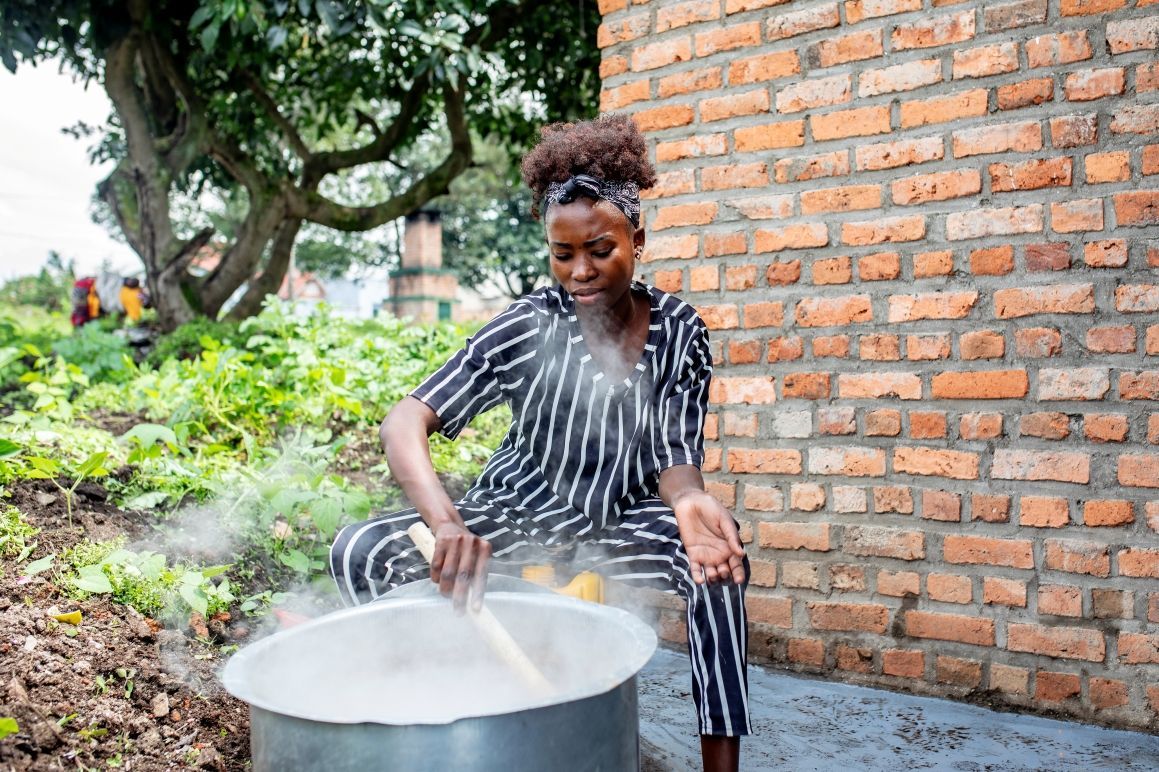
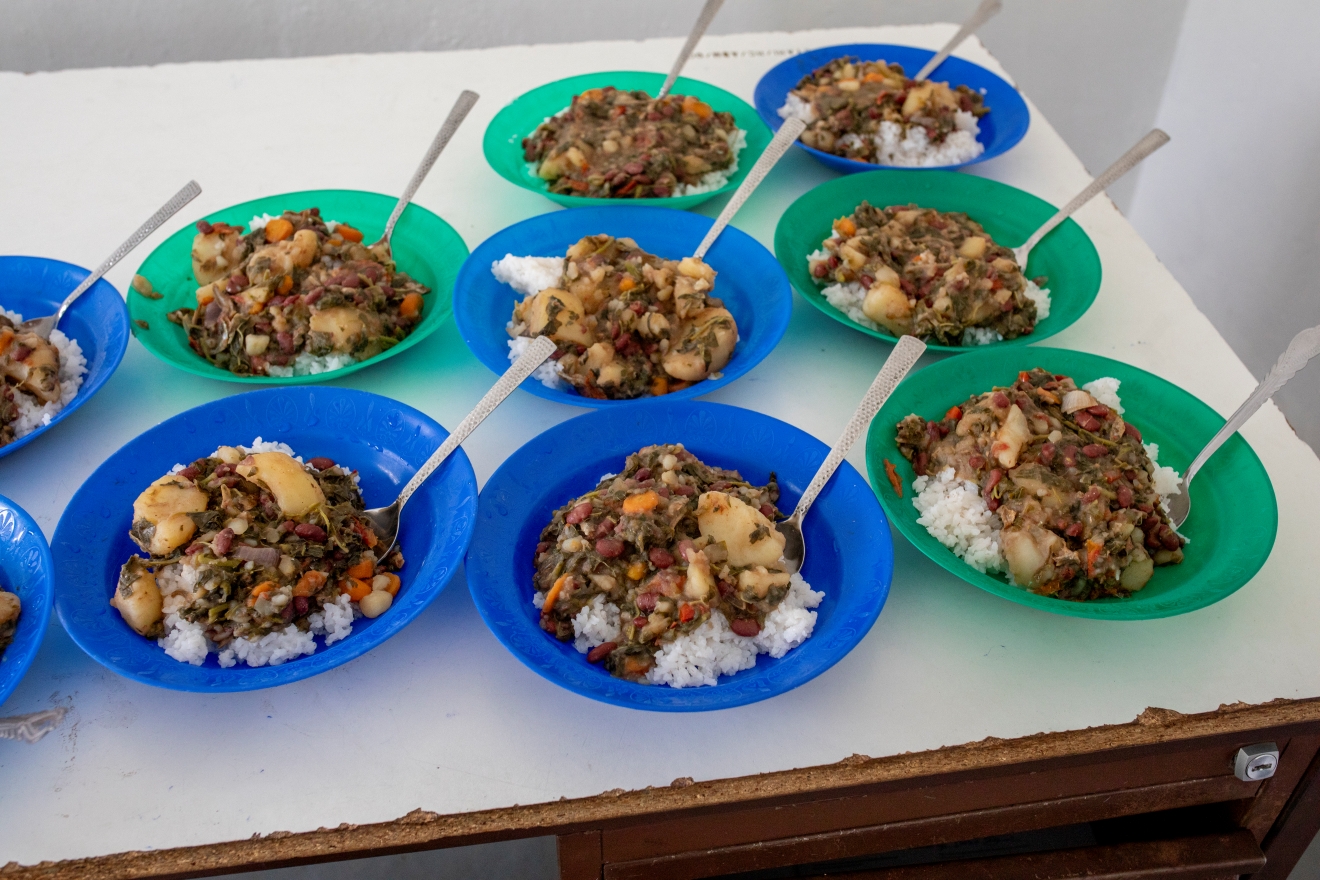
The Food Systems Platform also started to teach youth to cook so they can be part of kitchen demonstrations, where families learn about new ways of preparing healthy meals. For example, we show how they can prepare food with less oil or integrate eggs into their dishes. In Rwanda, people often thought eggs are for rich people only – by changing this mindset, people eat more diverse and nutritious meals.
In five schools, we supported nutrition clubs that are organised by students themselves. They take care of a kitchen garden and shape the school’s menu with what can be plucked from the garden. Through that, the students get motivated to learn about nutrition and understanding the food they eat.
What motivates you to be engaged in these initiatives?
I am convinced that if you want to have a better life, you need to improve the community around you. If you see smoke coming from your neighbour’s roof, you better tell them, otherwise your house will catch fire too.
When being engaged in community work, I also better understand the critical issues – by understanding the context, I can find better solutions. But I can’t do it all myself. We need hands who contribute. We as youth may not have many resources yet, but we can contribute our energy to help.
The food system is a world-wide issue – even though there is hunger, we have food waste happening in many places. Besides our local initiatives, we need to think about food systems on a global scale.