
Parents’ activity patterns shape children for years, cohort data show
06.01.2026
New long-term data reveal that parents who sit less and move more have children who are more active – and this influence persists for years. The study provides evidence on how parental activity patterns shape children’s movement behaviour over time and how the roles of mothers and fathers differ. The research was conducted by Swiss TPH and partners in the frame of the SOPHYA cohort. Results were published today in the Journal of Activity, Sedentary and Sleep Behaviors. Together with an earlier SOPHYA publication, the findings highlight the value of long-term cohort research in guiding public health policy.

How active parents are in everyday life shapes their children's behavior in terms of physical activity for years to come – with mothers having a particularly strong influence. (Photo: AdobeStock)
Physical activity is a key determinant of health, helping prevent non-communicable diseases and supporting mental well-being and healthy weight. Although Switzerland is among the most active countries in Europe, many children and adolescents still do not meet the recommendation of at least 60 minutes of moderate-to-vigorous activity per day. Promoting active habits early in life therefore remains a public health priority.
Against this background, the SOPHYA study – launched in 2013 by Swiss TPH and partners – was designed to track children’s and adolescents’ physical activity across Switzerland and to identify the factors that shape movement behaviour over time.
Key findings from the most recent SOPHYA analysis
The latest SOPHYA analysis shows that how parents divide their time between sitting, light activity and higher-intensity movement is reflected in their children’s activity patterns even five years later. Mothers and fathers showed distinct profiles: mothers spent proportionally more time in light activity, while fathers spent more time sitting and engaging in higher-intensity movement. Parents who reduced sitting time and increased movement had children with similarly shifted patterns, with the strongest long-term correlation observed in mother-child pairs.
The study was published today in the Journal of Activity, Sedentary and Sleep Behaviors.
“When parents reduce sitting and build more movement into their daily routines, this is mirrored in their children’s long-term behaviour. Supporting physical activity in everyday family life is both realistic and effective,” said Johanna Hänggi, first author of the study and scientific collaborator at Swiss TPH.
An earlier SOPHYA analysis published in BMC Public Health confirms the powerful modelling effect of parental behaviour. Children of mothers who met the Swiss physical activity recommendations remained more active five years later, regardless of socioeconomic background or neighbourhood environment. Fathers who cycled in daily life were more likely to have active children. Sports club participation also showed a clear influence: children were significantly more likely to join a sports club when either parent was a member, often mirroring the same-gender parent.
“Such results also underline the importance of national programmes such as ‘Jugend+Sport’, which play a central role in fostering sustained physical activity among children and youth,” said Nicole Probst-Hensch, Principal Investigator and Group Leader at Swiss TPH.
Long-term cohort data as a foundation for evidence-based public health
These insights were only possible because SOPHYA has followed the same families over many years, combining repeated surveys with objective movement measurements. Several hundred mother-child and father-child pairs participated at baseline. Five years later, around 250 children with their mothers and 150 children with their fathers again wore a movement sensor for one week. Such robust, long-term data are essential for designing effective prevention strategies and informing policy.
Scientists and public health experts are calling for a large national cohort in Switzerland with around 100,000 participants in the future. A political debate on this issue recently took place in Parliament. While the benefits are recognised, the funding is uncertain. “Such a cohort is a transformative investment that would provide the long-term, population-level evidence needed to address future health challenges and ensure Switzerland’s competitiveness in research areas such as environment and health, chemical exposure monitoring and personalised health,” said Probst-Hensch.
About the SOPHYA study
The SOPHYA study (Swiss children’s Objectively measured PHYsical Activity) was Switzerland’s first nationwide cohort to objectively measure physical activity in children and adolescents. Coordinated by Swiss TPH in collaboration with the University of Lausanne and the Università della Svizzera italiana and funded by the Federal Office of Sport (BASPO), the Federal Office of Public Health (FOPH) and Health Promotion Switzerland, the study followed families over time to understand how movement behaviours develop and what shapes them.
Swiss TPH’s expertise in cohort studies
Swiss TPH has long-standing expertise in designing and conducting large population-based cohort studies and long-term health research. By linking health, behavioural, social, environmental and biomarker data over time, Swiss TPH generates robust evidence to inform public health policy and strengthen prevention in Switzerland and globally.
Contact
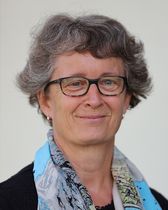
Nicole Probst-Hensch
Professor, PhD (Pharmacy and Epidemiology), MPH
Scientific Group Leader, Head of Department
+41612848378
,
*
nicole.probst@swisstph.ch
Stay connected to global health
Subscribe to the Swiss TPH newsletter for updates on research, projects, education, jobs and events.


