Leading up to the symposium “The Sleeping Beast: Tackling Diseases in their Dormant Stages”, we asked some of our experts to share insights into the sleeping beasts behind diseases studied at Swiss TPH. Click on the photos to watch the full videos.
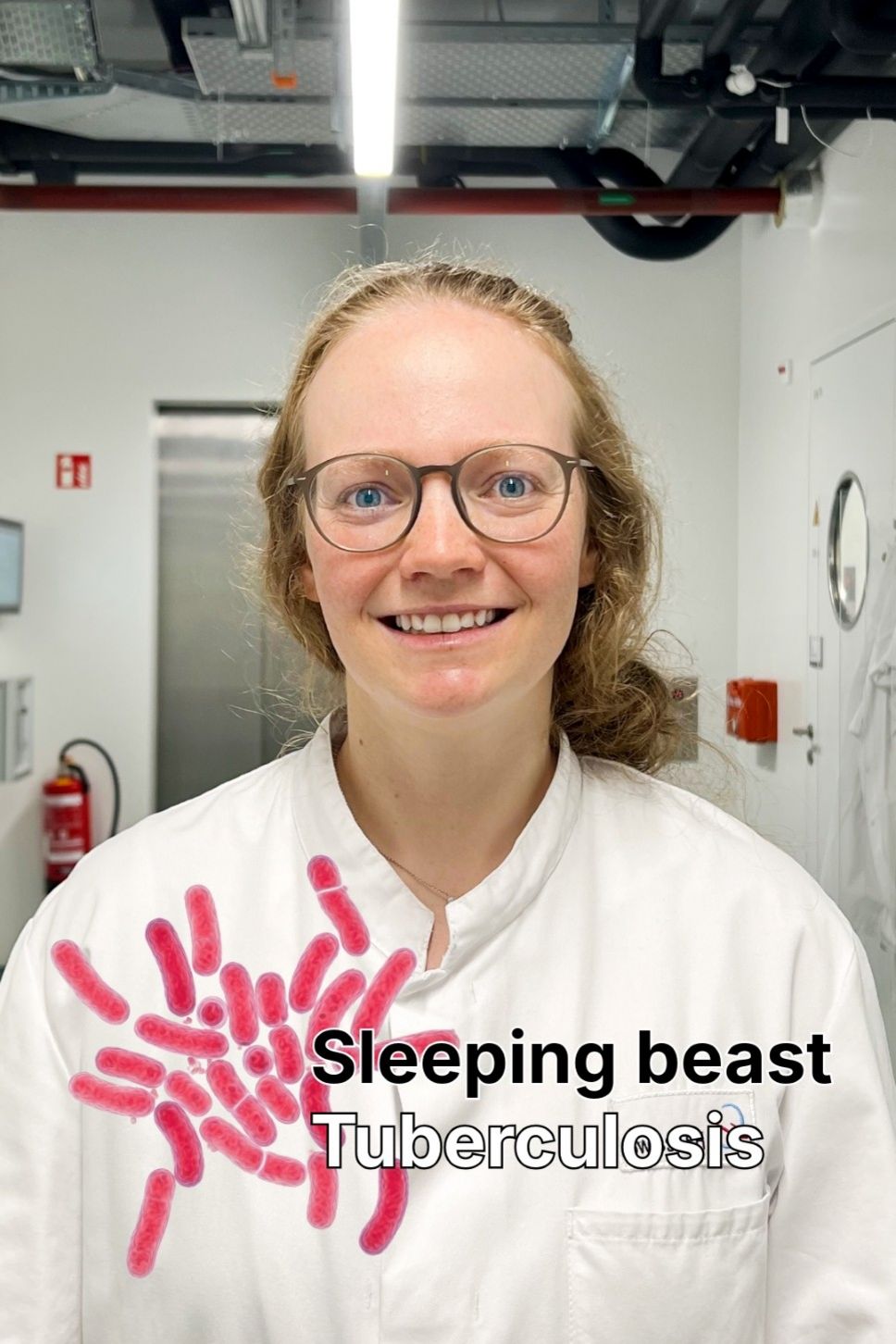
Sarah Schmidiger, Postdoctoral Scientific Collaborator in the Tuberculosis Immunology research group, sheds light on the sleeping beast of tuberculosis.
Tuberculosis can persist in a latent form, with bacteria remaining dormant in the body for years before causing disease. Dormant bacteria are more resilient and less susceptible to antibiotics, which may contribute to the long duration of TB treatment. New approaches – from active case finding to drugs that target dormant bacteria – could help improve TB control and patient outcomes.
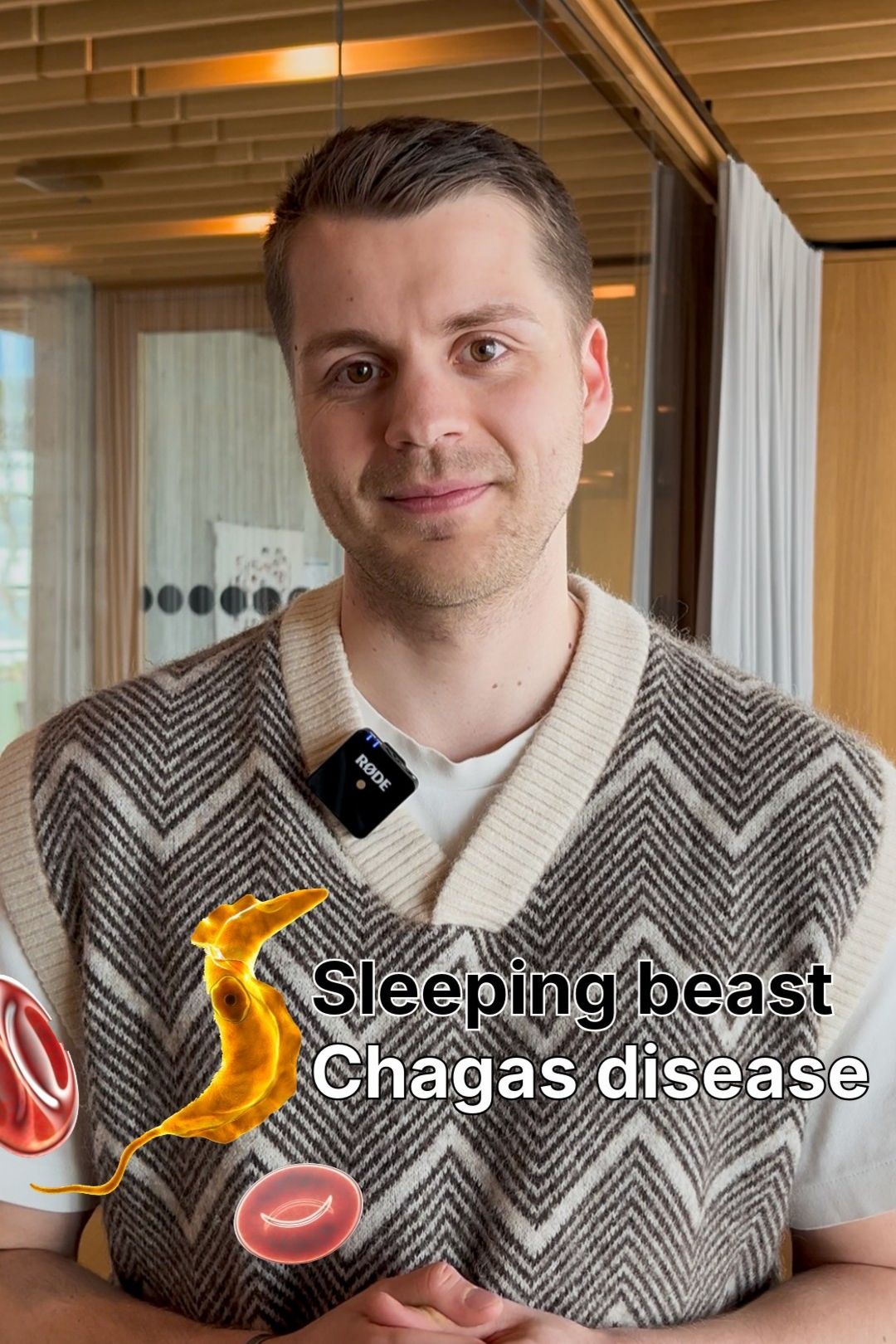
Simon Feldkamp, PhD student working on trypanosomatid drug discovery, explains how we can tackle Chagas disease
Chagas disease can hide in the body for decades without symptoms yet eventually cause life-threatening cardiac and digestive complications. Fighting it requires four key strategies: controlling the insect vector, screening early on, developing new treatments, and raising public awareness.
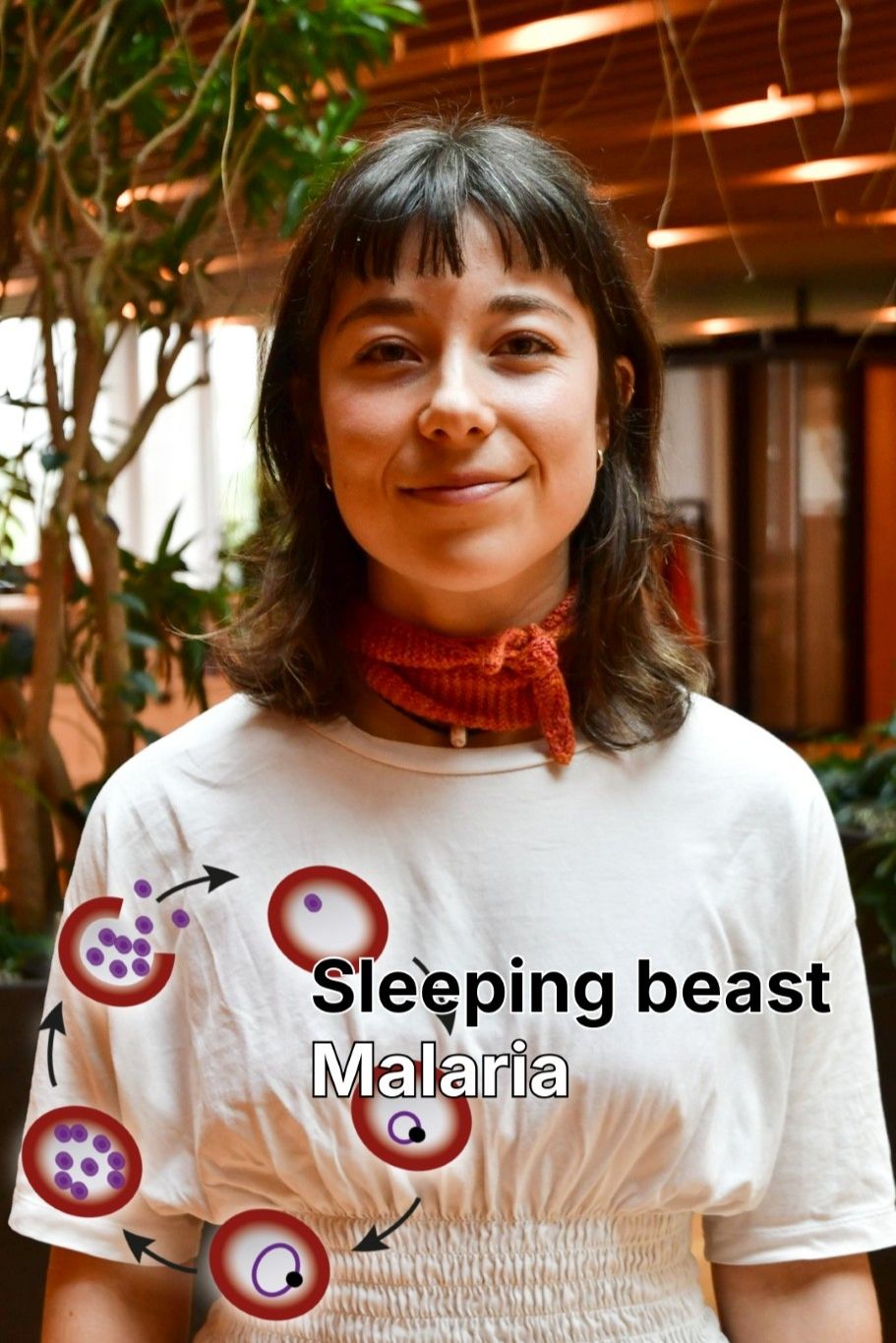
Leonie Seefeldt, PhD student in the Malaria Host Interactions research group, explores the dormant stages of malaria
Some stages of the malaria parasite can remain dormant in the human body, waiting in a low metabolic state until conditions allow transmission. Current drugs cannot effectively target these stages, making further research essential to block the spread of the disease.
The symposium explored the phenomenon of disease persistence in various fields, including infectious diseases and cancer. Presentations examined how pathogens and cancer cells can enter dormant or slow-growing states, allowing them to survive treatment, evade the immune system, and cause relapse long after an initial infection or therapy. Topics included persister cells in malaria, leishmaniasis, tuberculosis, trypanosomiasis and bacterial infections, as well as cancer cell persistence and drug tolerance.
The symposium also addressed new approaches to studying and targeting dormant cells, covering advances in imaging, functional drug screening, infection biology, and translational research. Discussions highlighted the implications of persistence for disease control, clinical management, and developing more effective therapies.
Speakers represented renowned research and public health institutions such as the World Health Organization, the University of Glasgow, the University of Basel, the Institute of Tropical Medicine Antwerp, the London School of Hygiene & Tropical Medicine, the University of Bern, the Champalimaud Foundation, and the Noguchi Memorial Institute for Medical Research. The event concluded with a panel discussion on mutual learning across disciplines and diseases, emphasising the value of cross-sector collaboration in tackling some of the most persistent challenges in global health.
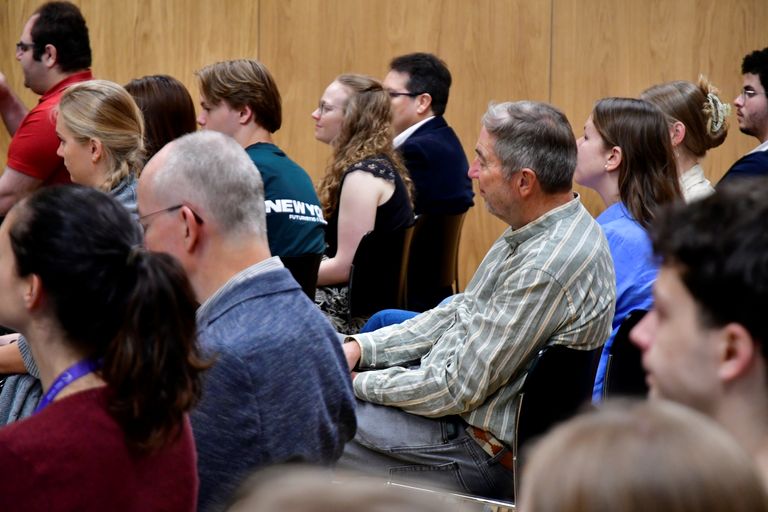
Some impressions from the symposium
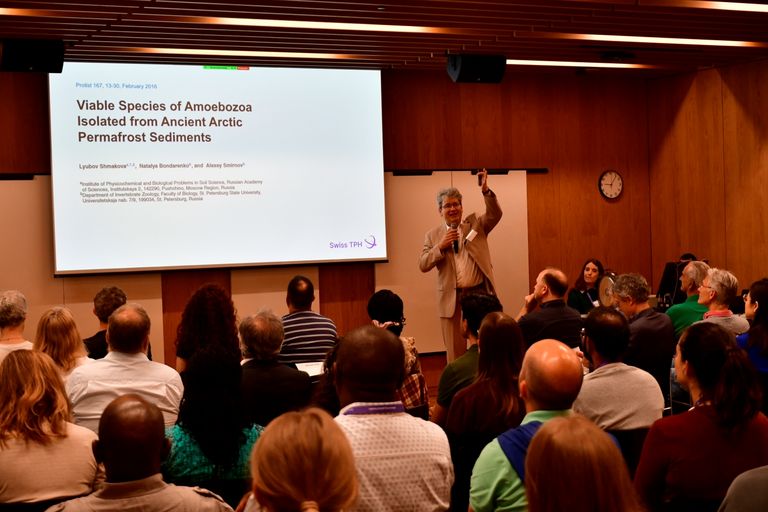
Prof. Pascal Mäser is setting the stage for the symposium day.
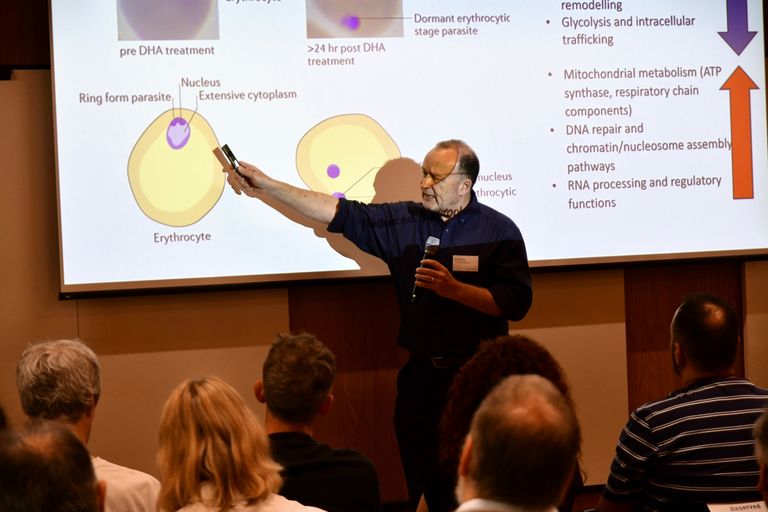
Michael Barrett is speaking about persister-like cells in parasitic protozoa.
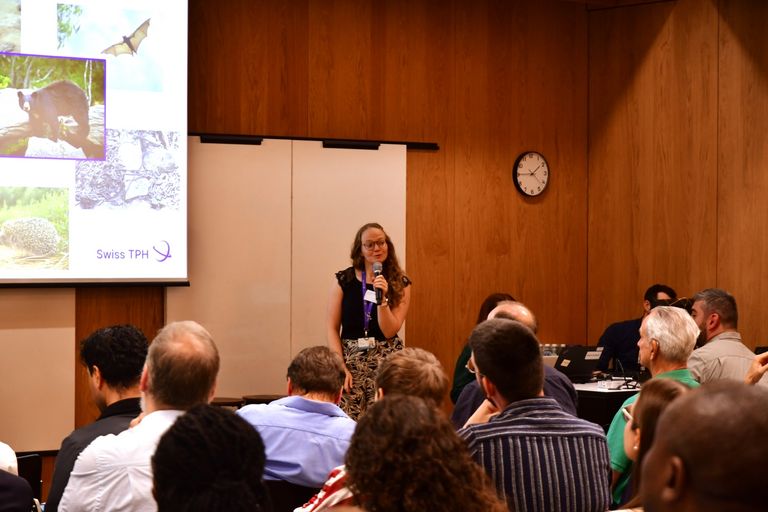
Sarah Schmidiger is speaking about Mycobacterium tuberculosis in hostile host environments.
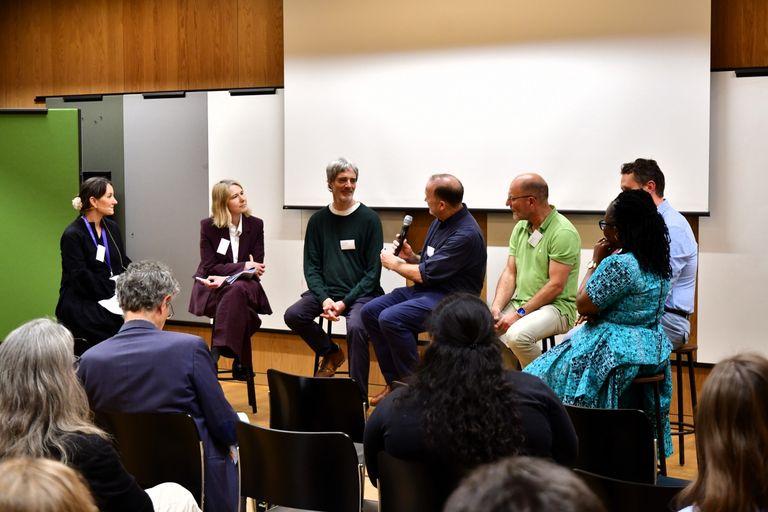
Panel discussion with Elisabeth Reus (moderator), Malgorzata Domagalska, Dirk Bumann, Michael Barrett, Olivier Pertz, Marcus Lacerda and Dorothy Yeboah–Manu
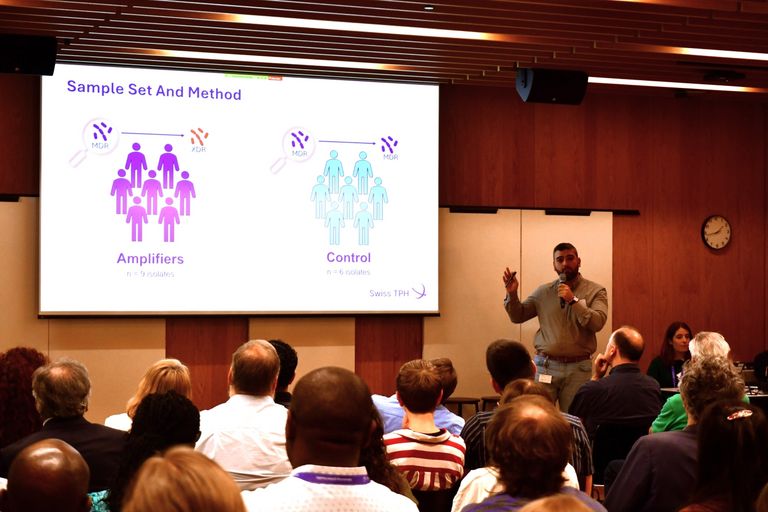
Kakha Mchedlishvili speaking on the link between phenotypic drug tolerance and the amplification of drug resistance in Mycobacterium tuberculosis.