
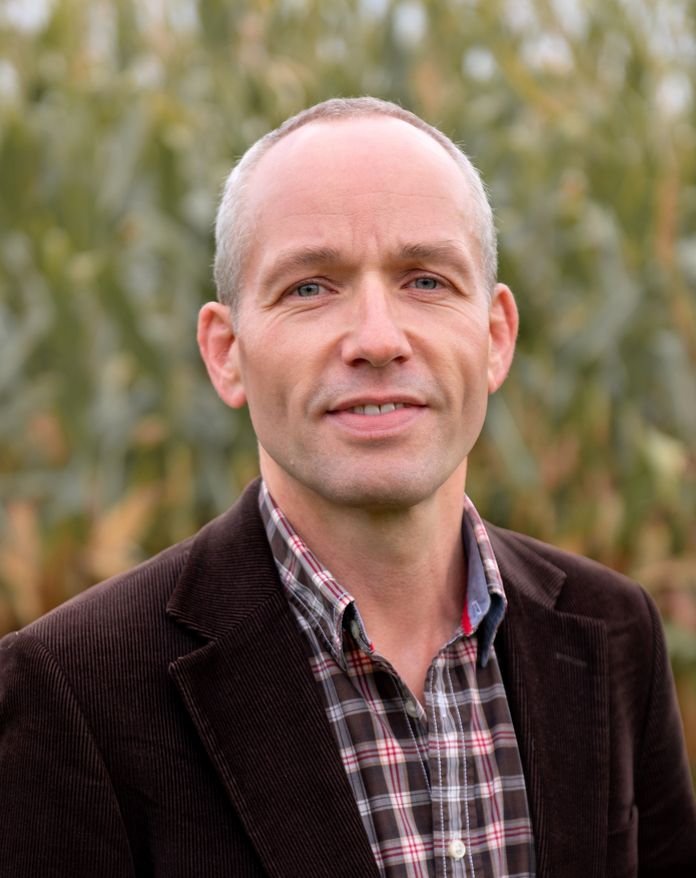
As a scientific collaborator at the Federal Food Safety and Veterinary Office, Christian Schätti Zundel is responsible for the quality standards of Switzerland's waters under the food law. The Swiss TPH alumnus explains why translating research into policy is an art – and why he can make more of a difference in the federal administration than in research.
Hello Christian, please introduce yourself.
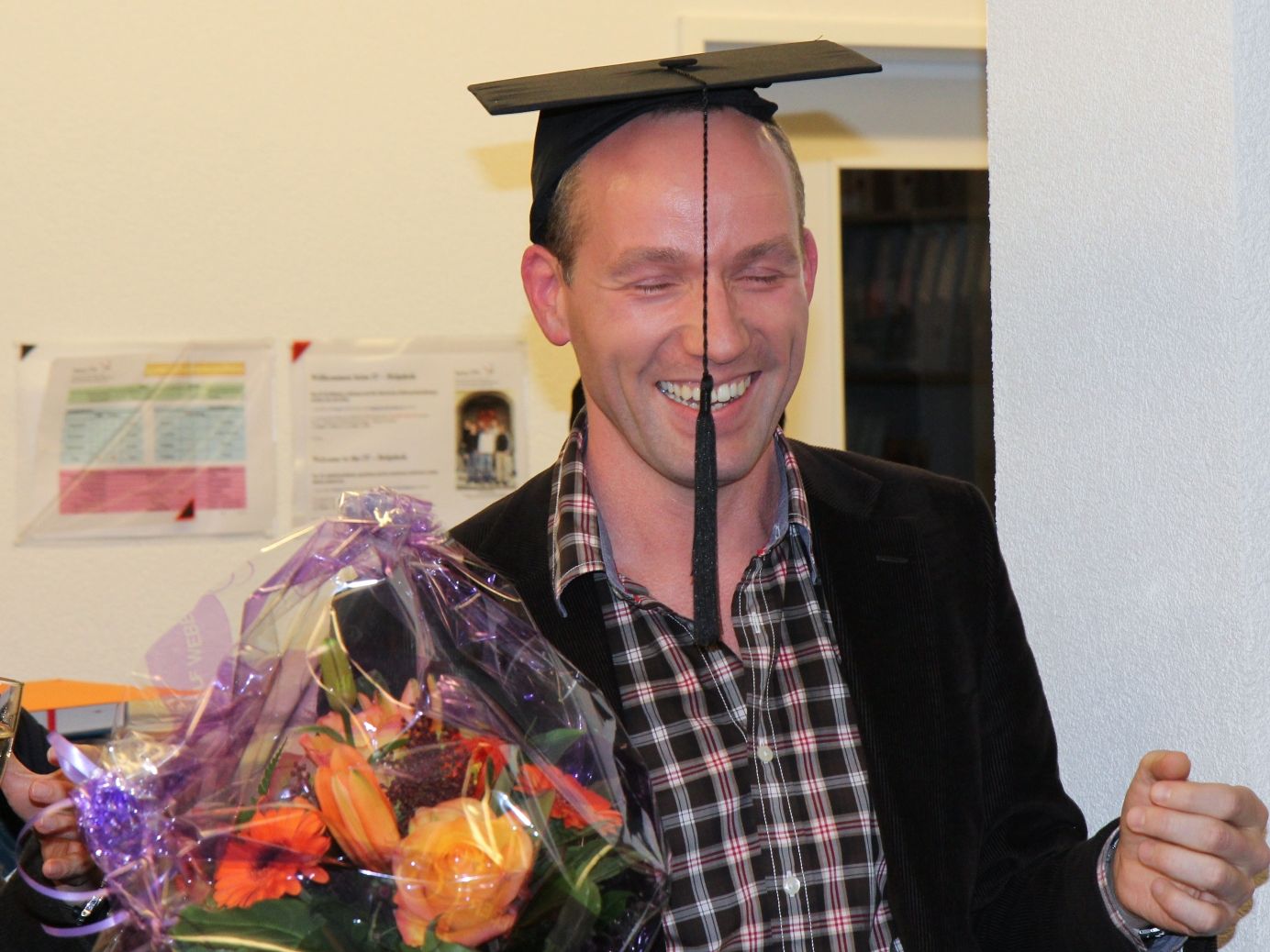
I am a chemist and epidemiologist. I completed parts of my training at Swiss TPH and its predecessor, the Swiss Tropical Institute (STI), earning an MA in African Studies in 2007 and a PhD in Epidemiology in 2011.
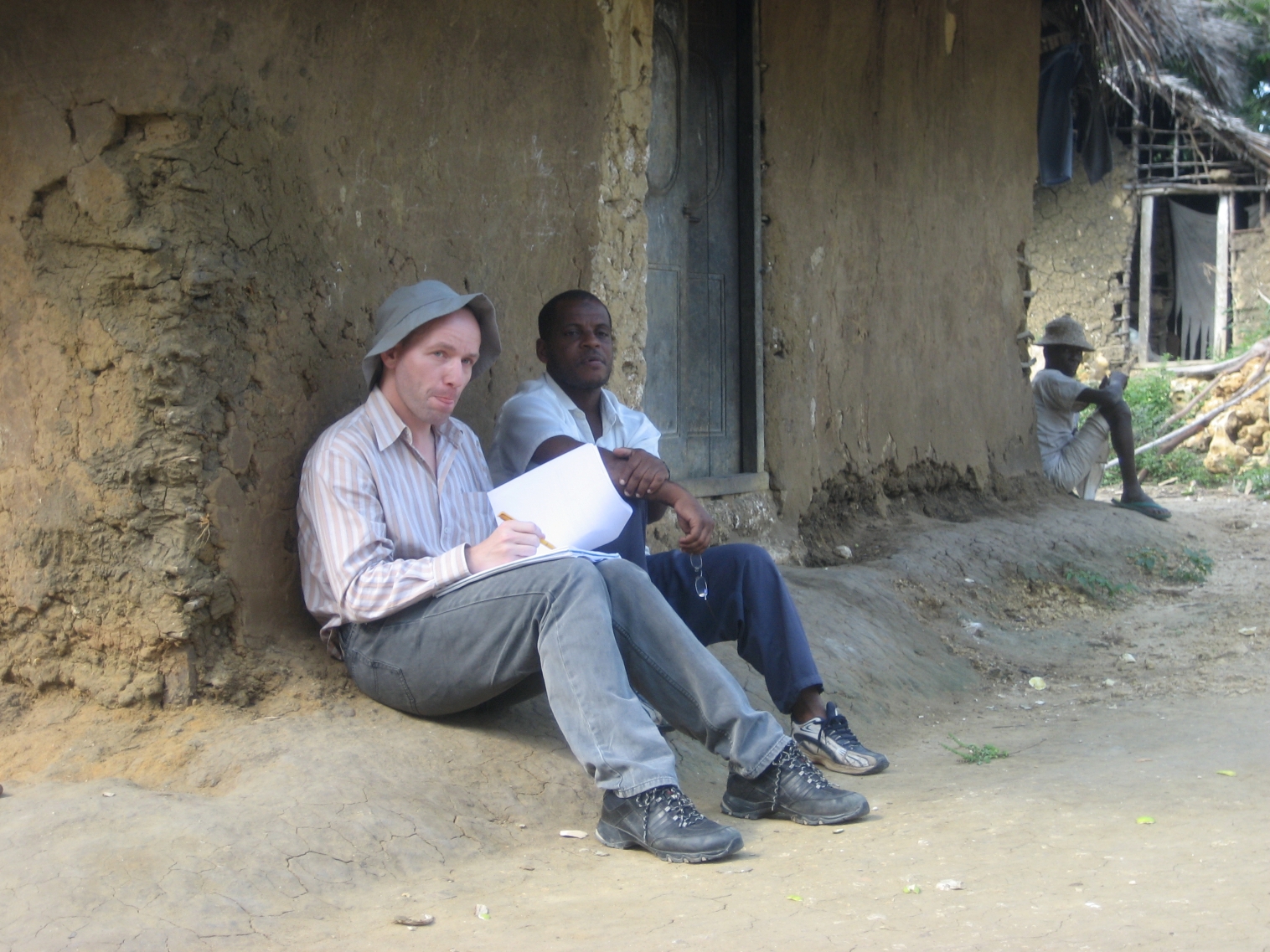
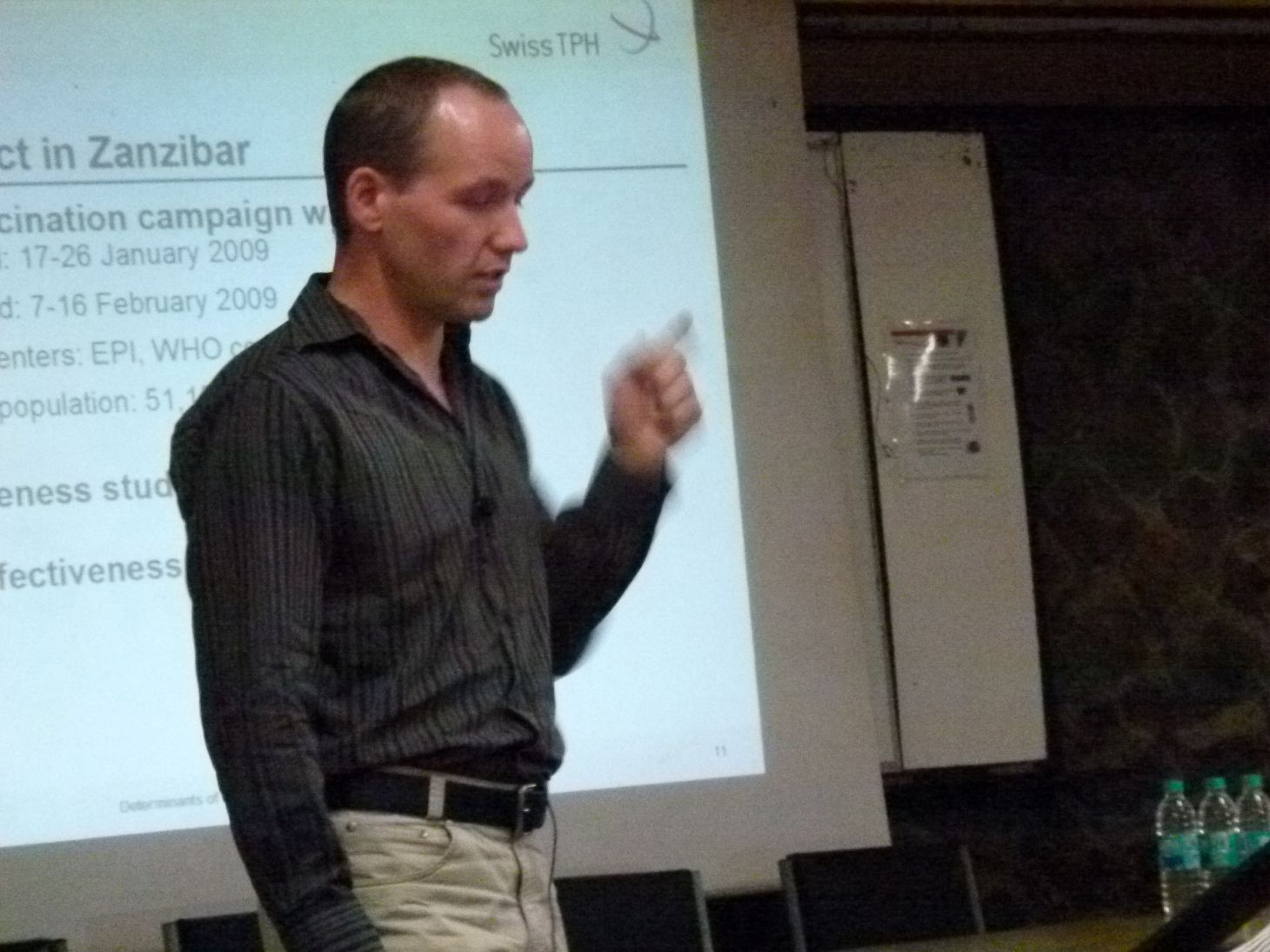
My doctoral research focused on cholera, a waterborne disease that is fatal in half of all untreated cases. As part of a large WHO project, 50,000 people received an oral cholera vaccine for the first time in an endemic setting. I studied the acceptance of this vaccine in Zanzibar, Tanzania, investigating the barriers and reservations among the population, as well as the cost-effectiveness of such a vaccination.
Since 2013, I have been working in the Swiss federal administration, first at the Federal Office of Public Health (FOPH), and since 2020 at the Federal Food Safety and Veterinary Office (FSVO). As a scientific collaborator, I am responsible for all waters in Switzerland under the food law, that means drinking water, shower and bathing water, as well as natural mineral water and spring water.
Looking back, what has been the biggest impact of your education at Swiss TPH on your career?
It’s hard to pinpoint one thing only – there are many aspects to it. The in-depth training and the variety of projects I had the opportunity to gain an insight into were certainly important. What impressed me from the start was the international network: the STI was still much smaller back then, but its international character was already evident. It was enriching to connect with people from different countries and disciplines. I felt well supported and looked after, also during my time in Zanzibar.
What has stayed with me most is an understanding of how research works. Although I no longer conduct research myself, I now sit on the other side of the table: I commission research projects and consulting mandates and assess applications for research funding. I know how to design calls for proposals to attract the highest-quality and most relevant submissions, how to select the most suitable proposal – and finally, how to interpret the results of a project once it is complete and draw conclusions from them. Because in the end, the question always is: what do these results mean, and are any regulatory adjustments also socially beneficial?
You have worked in two major federal offices – the FOPH and now the FSVO. Can you describe a project you are particularly proud of?
A project particularly close to my heart is LeCo, a study into why Legionella spreads in water pipes and sanitary installations of buildings, and how this can be prevented.
The number of severe pneumonia cases caused by Legionella infections has been rising sharply for years, both in Switzerland and worldwide – the FOPH records 500 to 600 cases of Legionnaires' disease per year. Among other things, we wanted the LeCo project consortium to investigate what role building sanitary installations play in the occurrence of cases – for example: how does a building need to be operated to prevent infection when showering? A sub-study by Swiss TPH also looked at where people get infected, including sources outside the shower.
The results showed that the situation is complex. It turned out, for instance, that showers are probably not the main source of infection, other sources such as cooling towers on rooftops also play an important role. At the same time, the risk of infection from showering remains real when the water is contaminated.
The federal administration has commented on the project's recommendations and derived measures. My challenge as part of the FSVO is now to help translate these findings into action, with the aim of reducing the number of cases as much as possible.
What would you say to current students who are considering careers with the government?
Policymaking is a meaningful and important task. Parliament needs the federal administration and its specialists to make well-informed decisions that serve the public interest. Compared to research, I believe that there are more opportunities here to exert direct influence.
What matters most is translating research results into practice: in my work, it is not the research itself that is central, but what comes after. We ask ourselves what to do with the findings and how to implement any necessary measures. These processes take time, and strong arguments are needed to justify and push through regulatory changes.
Writing scientific publications is less of a priority in the federal administration than in research. Instead, the focus is on working with reports – for instance, the final report of a project. The goal is to summarise findings and draw relevant conclusions, without the pressure of publishing in high-ranking journals.
That said, there are people who do research within the federal administration – I am more the one who helps translate research findings into practice.
You mentioned that translating research into policy can be a lengthy process. What does that look like in practice?
In research, there are many established methods for answering questions systematically. Transferring research results into policy is different – unfortunately, there is no manual for it. The first question is always what is actually feasible. From there, proposed changes go through the political process: internal consultation within the federal administration, a public consultation period, incorporation of feedback, and finally discussion in the Federal Council.
Translating research findings into guidelines that benefit society – that is an art.
Take a concrete example: a study concludes that the maximum permitted level of a substance in drinking water should be lower than current regulations, to best protect consumers. At the FSVO, we then ask ourselves whether this is achievable – and what it would mean, for instance, for water suppliers who would need to filter that substance out of drinking water. If we want to impose new rules on them, we also need to be able to explain why those rules are necessary and justified.
You were in the “Meet the Epidemiology Professionals” course. Which question by the students did you find particularly interesting or unexpected?
I was pleasantly surprised by the broad audience in the course – students came from different countries and disciplines, which made for lively discussions.
One question I found particularly interesting was how I personally deal with AI. My clear stance is that AI-generated texts and analyses always need to be critically reviewed. There are tasks that AI performs well, such as summarising the key findings of a study. But the substantive work, the thinking and contextualising, must be done by oneself.
Another question that occupied many Master's students was whether a PhD is necessary for a successful career. For the federal administration, I can answer that clearly: no. A Master's degree is sufficient for most positions as a scientific collaborator. While a PhD can certainly be enriching, it also prolongs the transition into working life. This step can be taken successfully without a PhD.
If you could inspire one change in the world, big or small, what would it be?
I would reduce chemical pollution in our environment. Our society depends on many substances that sooner or later find their way into the environment – including into bodies of water, where they can harm aquatic organisms or contaminate water supplies. The less attention we pay to this, the greater the effort required to keep water clean.
One example that is widely discussed today are PFAS. Research has made great strides in recent years – we are identifying more compounds and finding approaches to address them, but we are also gaining a better understanding of just how harmful they are.