
Building a health system that supports people from birth to old age
Twenty years ago, Swiss TPH established a point of presence in the Republic of Moldova. Since then, it has gained deep insight into the country’s legislation and local systems, and built a strong network of partners and experts.
Throughout this period, the institute has worked with the Government of Moldova and local partners on mandates from the Swiss Agency for Development and Cooperation (SDC), WHO and UNICEF. These partnerships have supported greater localisation and contributed to peer-reviewed research through academic exchange.
Together, these efforts have helped one of Europe’s poorest countries build a more modern health system and advance on its path towards EU membership.Continued Swiss engagement remains essential to sustain these gains and support Moldova’s social and economic development.
The starting point
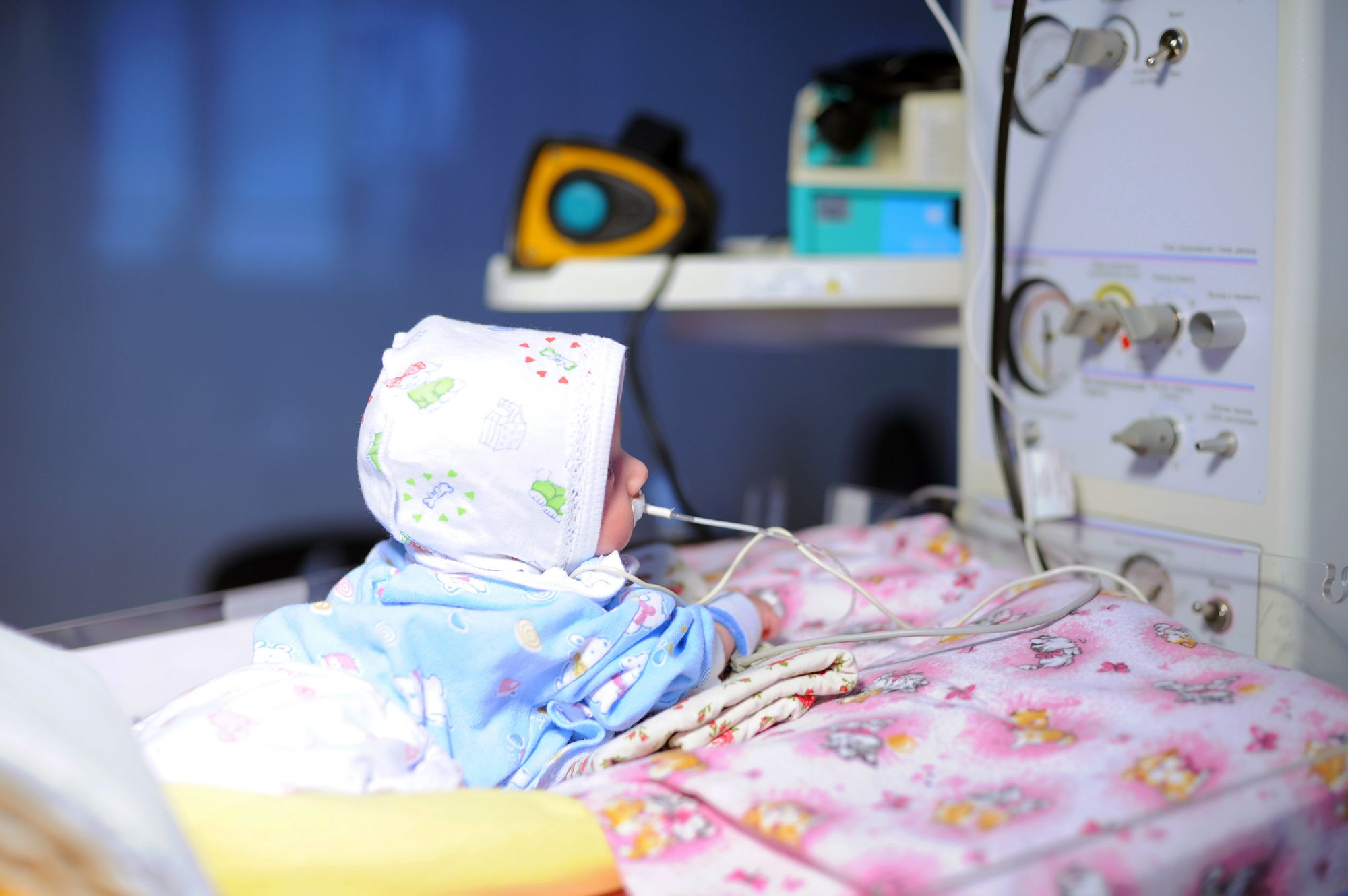
In 2006, Moldova's health system was still working through the disruption that followed independence. Although maternal and perinatal care was regionalised in 1998, the delivery remained fragmented. Referral systems between primary healthcare facilities and maternity hospitals were weak. Modern equipment was scarce, especially in district facilities. Clinical practice was not consistently guided by evidence-based protocols. Health professionals in peripheral facilities had limited access to current knowledge and continuous training.
There was no focus on health promotion at the time. Chronic diseases were treated, if at all, only when patients were already in an advanced stage and being treated in hospital – not prevented, nor managed at the community level, and not approached as something a patient could help manage themselves. Health workers and social workers operated in separate silos. Youth-friendly services were not a concept yet.
Swiss TPH came to this context with experience from neighbouring countries, including similar perinatal health programmes in Ukraine and Romania, and a long tradition of strengthening health systems together with local partners, while taking the local context into account.
A healthy start in life: perinatal and childcare
The Modernising Perinatal Health programme, implemented from 2006 to 2014, addressed an urgent need: a perinatal system that struggled to save the most vulnerable babies, with neonatal mortality rates higher than in neighbouring European countries.
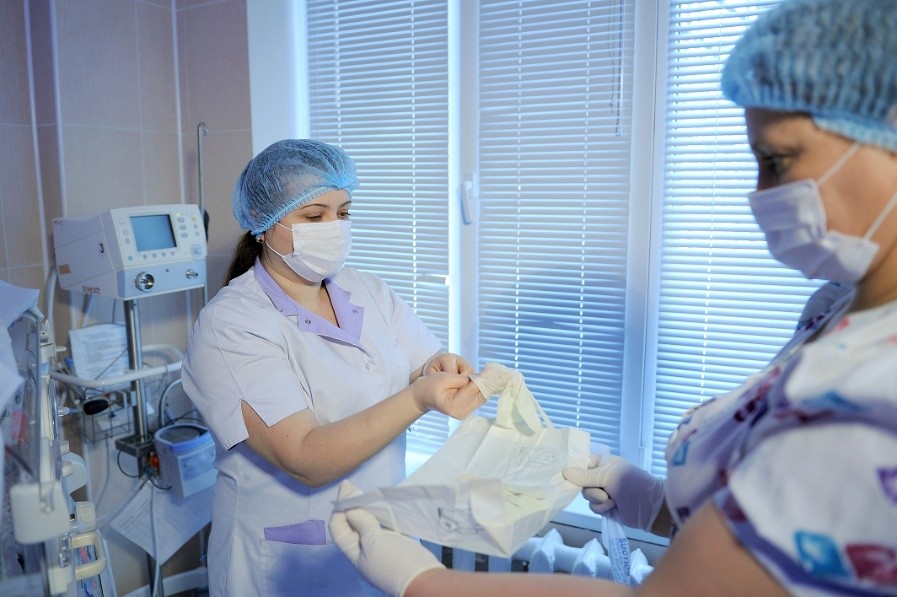
Swiss TPH supported the Moldovan health authorities to modernise a regionalised perinatal care system with three levels of care with modern equipment and an upgraded neonatal transport system, mirroring models used across European health systems. Alongside this, the project introduced or institutionalised a telemedicine network linking second level perinatal centers to the tertiary Mother and Child Institute; a simulation training centre for emergency obstetric and neonatal care; evidence-based clinical protocols aligned with European practice; a national health technology management system, which improved medical equipment procurement, maintenance, and training; biomedical engineering as a new academic discipline at the Technical University of Moldova as part of capacity strengthening; and a follow-up centre for premature children for early intervention.
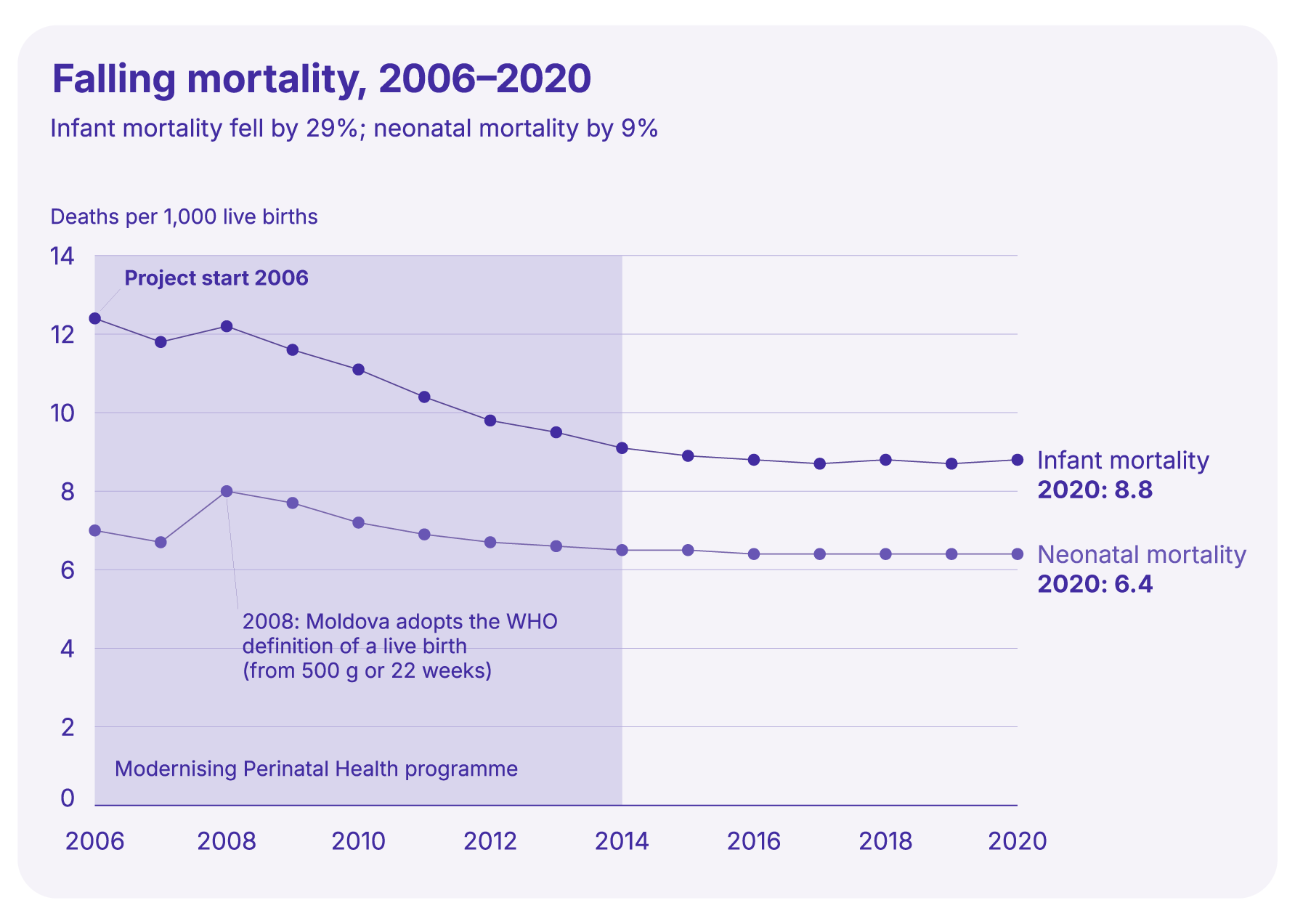
The programme contributed to lasting changes in the way perinatal care is delivered in Moldova. Between 2006 and 2020, infant mortality fell by 29%; neonatal mortality declined by 9% over the same period, indicating the effectiveness and sustainability of the package of interventions now fully managed by the government healthcare system.
The most striking change came for the most vulnerable. Survival rates for very low birth weight babies rose sharply: for those under 1,000 grams, from 5.4% in 2005 to 47% in 2013; for babies between 1,001 and 1,500 grams, from 60% to 85%.
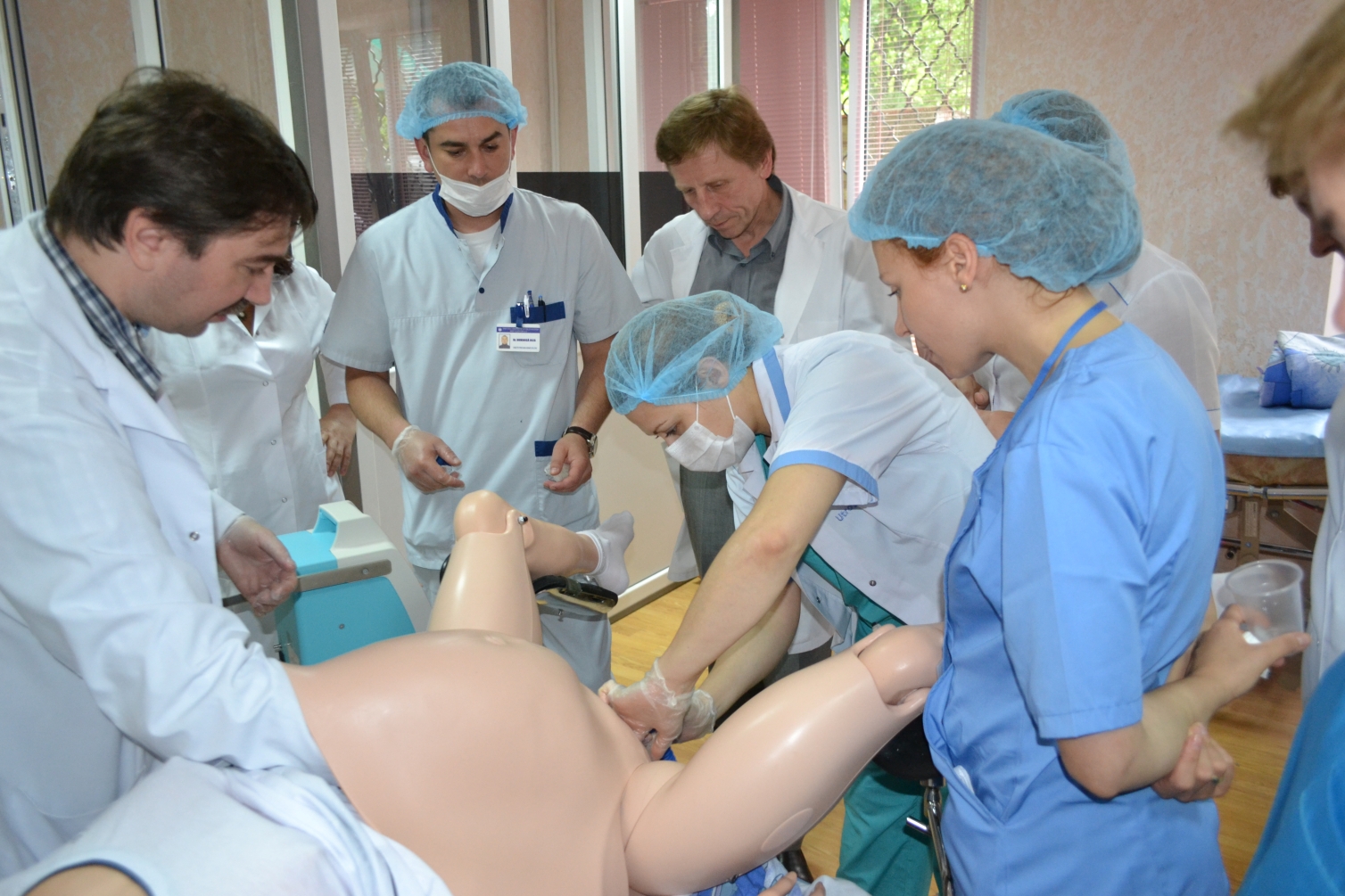
Alexandru Magulciac, head of the neonatal intensive care at the Mother and Child Institute, recalls the shift after a training exchange in Switzerland. Cases of severe congenital malformation, he noted, had previously been considered untreatable in Moldova; after the exchange, neonatologists began consulting surgeons in Chișinău and managing cases that had previously been transferred or lost.
Reaching young people: adolescent health
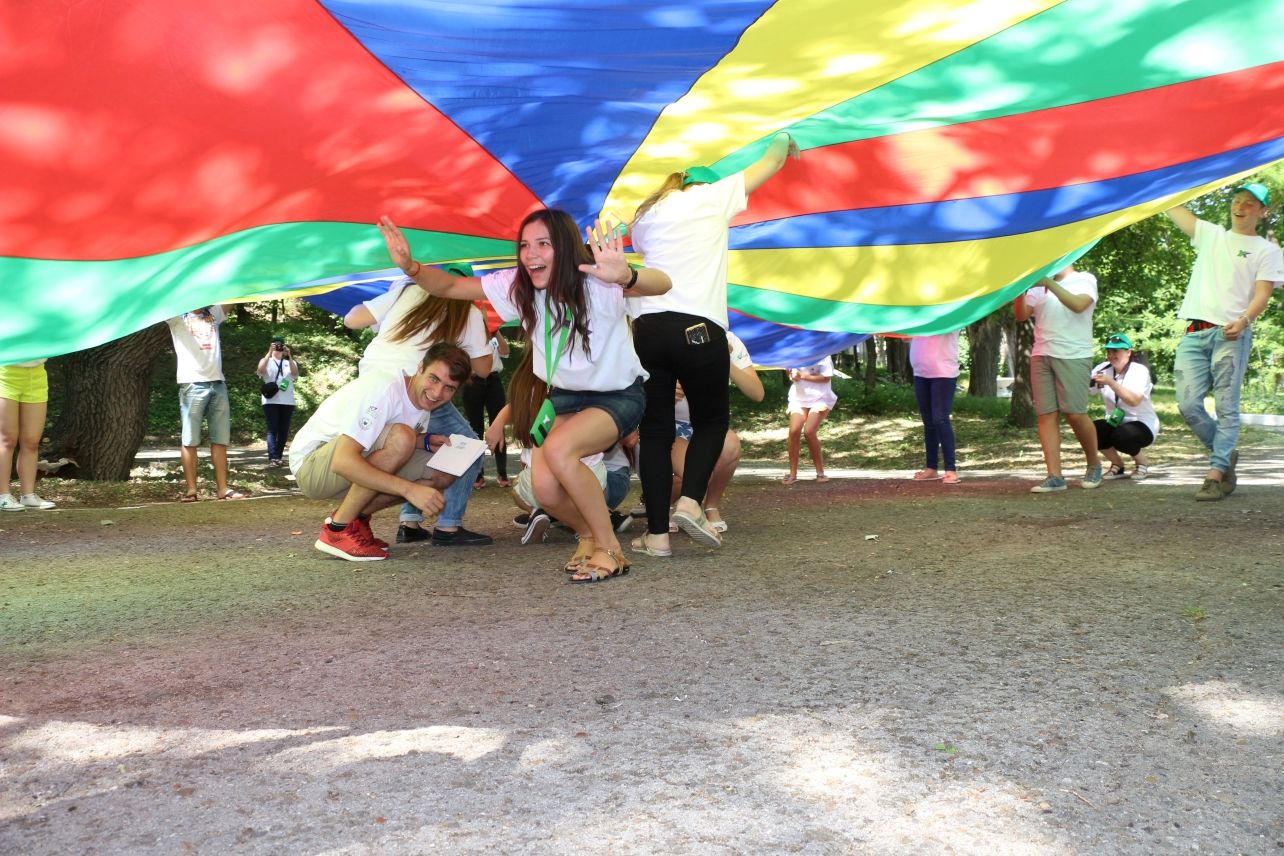
In the early 2000s, young people made up nearly a quarter of Moldova's population. They faced health challenges including sexual and reproductive problems, substance abuse, mental health disorders, and suicide – but the Moldovan health system had not yet fully moved beyond the Soviet-era focus on disease control, which paid little attention to the needs of specific target groups, in this case young people aged between 10 and 24 years. A public health reform launched in 2010 had begun to address this, but coverage remained partial, and the care available to young people was uneven.
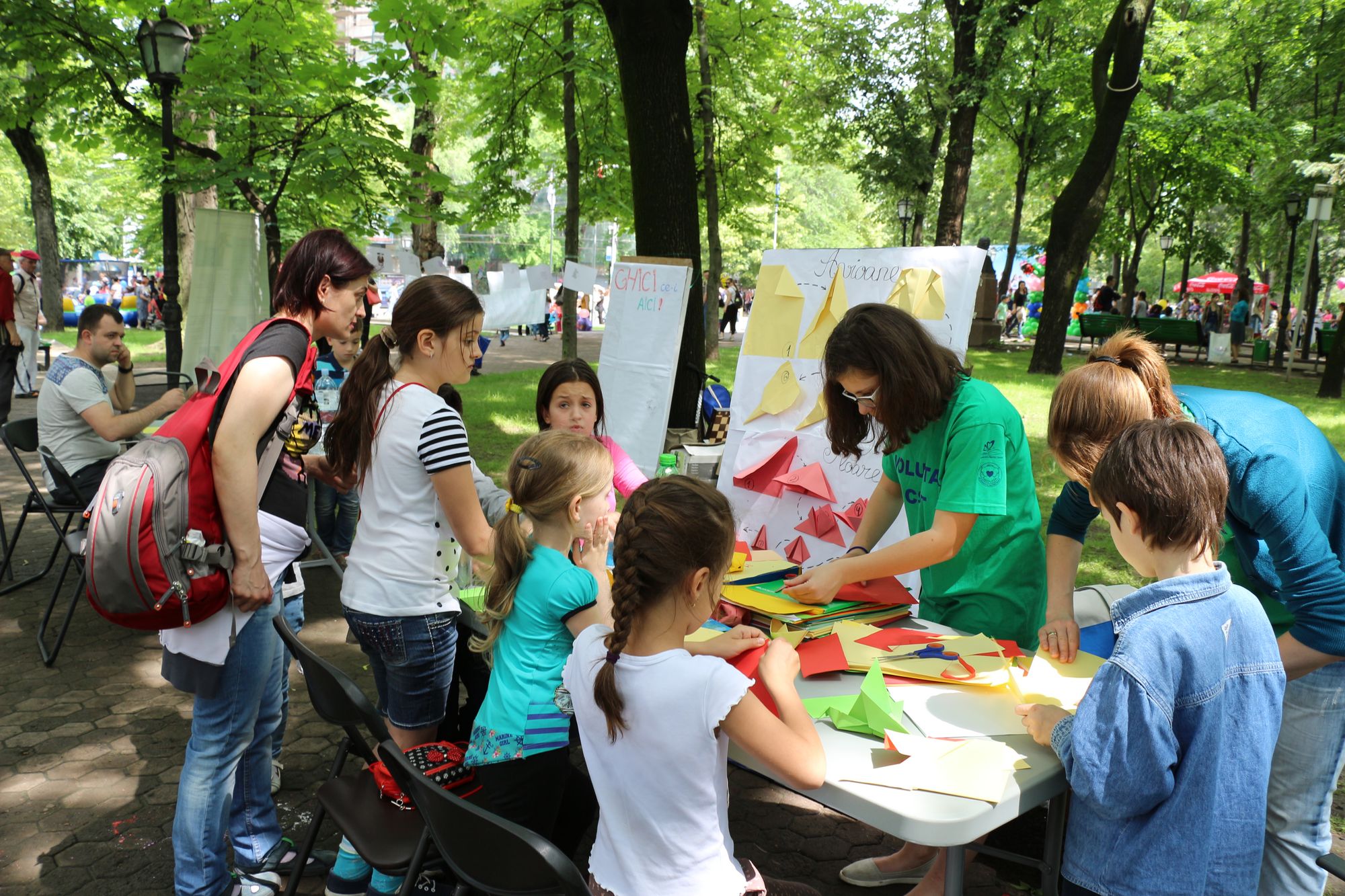
Through the Healthy Generations project (2011-2020), Swiss TPH provided technical and management backstopping to the Moldovan NGO “Health for Youth” to scale up youth-friendly and gender-sensitive health services nationwide. The goal was to make health services accessible, confidential, and welcoming for adolescents, with particular attention to the most vulnerable. The project operated across sectors in health, education and social services. Healthcare providers, youth workers and school nurses gained skills in good practices for building trust and communicating with girls and boys as well as young men and women.
Access to youth-friendly health services increased substantially, from 5% in 2011 to 24.4% in 2020. The number of youth-friendly health centres grew from 12 in 2011 to all 37 centres being contracted nationally by the National Health Insurance Company in 2014, meaning these services are no longer dependent on donor funding. Today, the network has grown to over 40 centres.
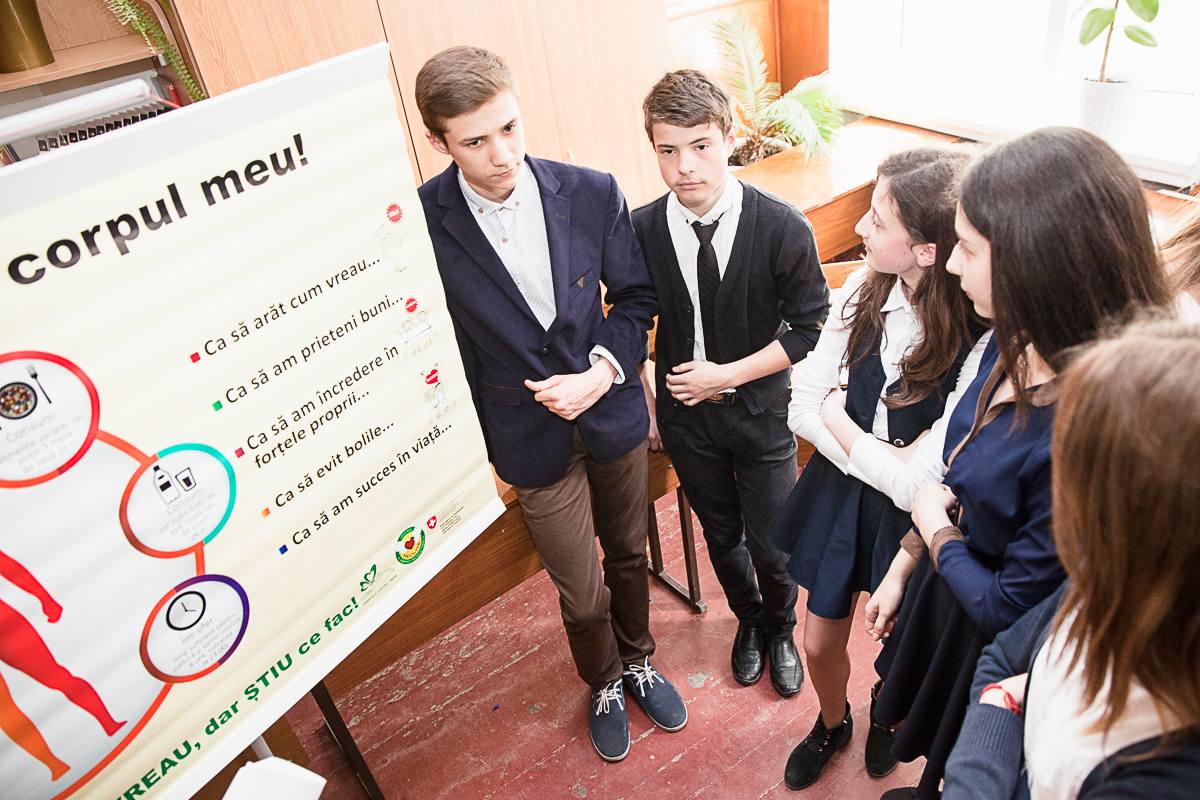
Beyond service use, there were measurable health outcomes for young people. The incidence of sexually transmitted infections among adolescents aged 15 to 19 declined as the network expanded. The service standards and regulatory framework introduced through the work were aligned with WHO and European public health guidance, and adolescent health was integrated into national health strategies and programmes.
Care across the life course: including adults and elderly people
In Moldova, as across Europe and globally, the leading causes of illness and early death today are non-communicable diseases (NCD)s, including cardiovascular disease, diabetes and stroke.
When work in this area began, the Moldovan health system was not equipped to manage NCDs. Primary care facilities lacked basic equipment and screening capacities. Family doctors were overwhelmed. Nurses did not yet take on the routine NCD tasks they carry in many European systems. Health promotion was not a priority, and patients had limited practical knowledge about the conditions they were living with.
The Healthy Life project, which Swiss TPH is implementing since 2016 with the Moldovan health and social welfare authorities, addresses these gaps, at the level of health facilities, communities, and national policy. It does so with a focus that would have been unthinkable two decades ago: not just treating disease, but preventing it, managing it in the community, and integrating health with social care to address people’s needs holistically.
In primary care, the work centred on the WHO Package of Essential NCD Interventions (PEN), a standard set of tools that allow family doctors and nurses to identify, treat and follow up the most common chronic conditions at the local clinic, without sending people to hospital. Swiss TPH focused on PEN protocols 1 and 2, which cover the integrated management of hypertension and diabetes as well as health education and counselling on healthy behaviours. The PEN protocols have now been rolled out to every district in Moldova, reaching close to 2’000 family doctors, 1’500 nurses, and managers of 290 health facilities. Equipment to support this, including blood pressure monitors, glucometers, the basics needed to keep chronic patients on the right track, was provided to 236 facilities in Moldova, plus nine in Transnistria. Nurses, in particular, took on a larger share of routine NCD work and home-visits, freeing family doctors to focus on more complex cases.
A budget analysis carried out alongside this work showed: the cost of training family doctors on the PEN protocols was fully offset by a reduction in referrals to hospitals. Better care at the local clinic meant fewer people needed to be referred upwards - at lower cost to the system overall.
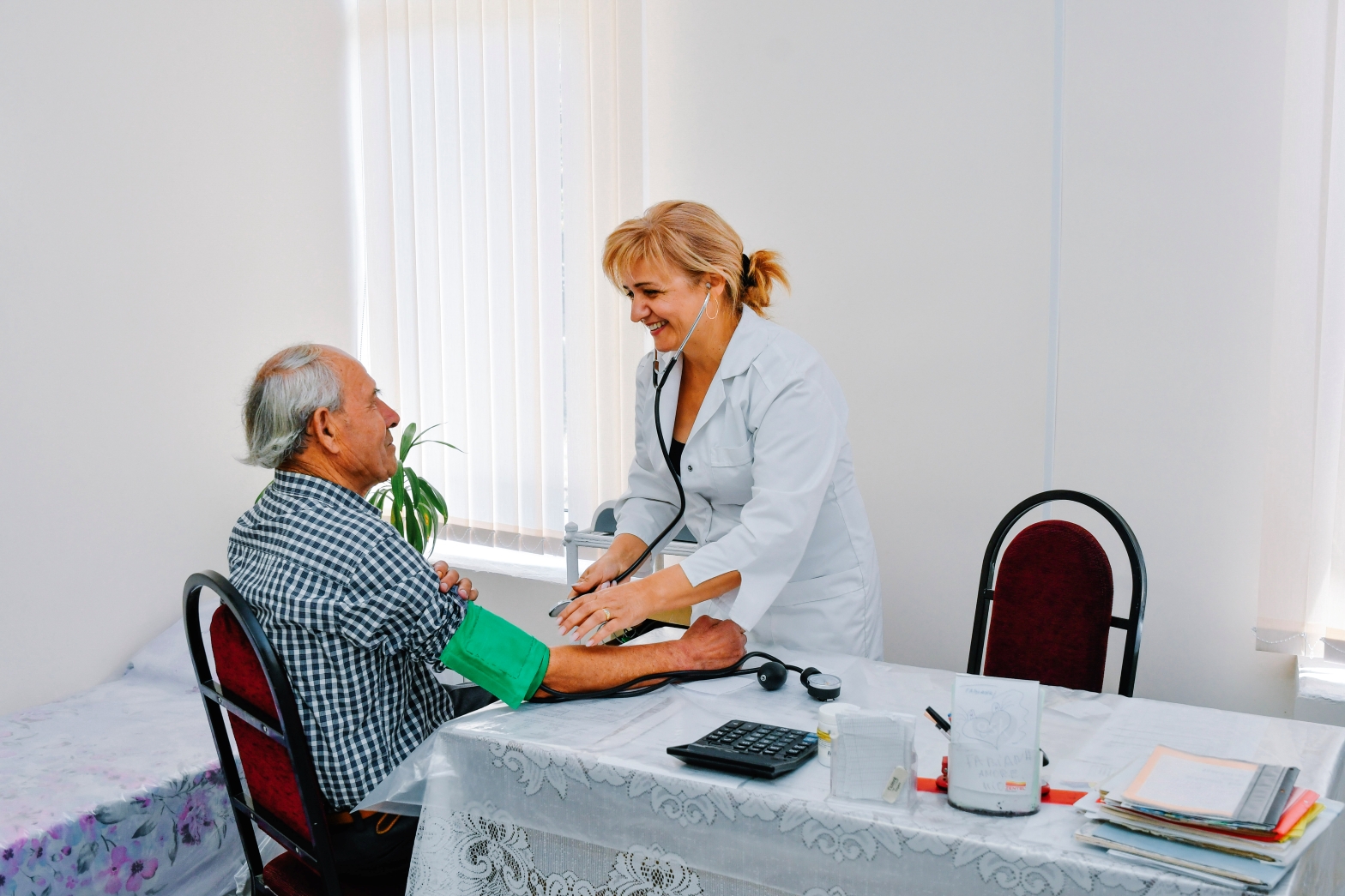
At local level, the work brought municipal government and civil society actors together to promote healthy communities. Health seminars and behaviour change interventions have shaped improved cooking practices and group exercise activities as people gain a better understanding of NCD risk factors. National awareness campaigns reached 1.67 million people, with activities in 100 rural localities. The change is shown in a population survey: the share of people who could correctly answer questions on NCDs and their risk factors rose from 21% in 2017 to around 60% in 2024. Over time, these surveys show that the proportion of participants reporting fast food consumption declined from 50% in 2017 to 30% in 2024. Tobacco consumption fell sharply across all demographics, dropping from 18% in 2017 to 12% in 2024.
At the policy level, the project supported the Government of Moldova to develop the new National NCD Programme (2023–2027) and provided inputs to the National Programme for Active and Healthy Ageing (2023–2027). Regulations have been brought into line with EU standards, for example for community social assistance services and day care for the elderly and people with disabilities. In addition, national regulations have been introduced with new limits on trans fats, salt and sugar in everyday food products. Complementary steps have also been introduced to target younger generations – for example, through healthier school meals.
Shaping systems through partnership – and closeness to Europe
Over two decades, the partnership between Swiss TPH, the Government of Moldova and SDC has helped transform how Moldova cares for its population at every stage of life: A baby born in Moldova today has a far better chance of surviving and thriving than her mother did. While still not perfect, many young people can access youth-friendly health centres. People with disabilities and the elderly can be visited at home by a team that gives attention to both their health and social situations. In particular, communities have grown in capacities and skills – with 85 out of the 105 communities that took part in the project’s small grants scheme going on to successfully acquire further funding from the Government of Moldova under the “European Village” programme. Resilient community networks and solidarity have been essential factors in Moldova’s hosting of such a high number of up to 100’000 refugees fleeing the war in neighbouring Ukraine.
The journey has also moved Moldova measurably closer to European standards in health and social care, with Swiss public investment translated into European-standard healthcare for one of the continent's poorest countries and a candidate for European Union membership.
Swiss TPH is sustaining its long-standing commitment to Moldova by collaborating with partners to further strengthen public health and social systems, and to build resilient communities. Continued engagement from Switzerland is essential for Moldova's ongoing social and economic development, as well as for peace and stability in Europe.