
Helminth Research and Medicines
Parasitic worm infections affect hundreds of millions of people worldwide, yet treatment options remain limited and drug resistance is emerging as a growing concern. To address these challenges, we conduct translational research on parasitic worm infections, spanning drug discovery, clinical development, research on the gut microbiome and transmission research.
Our work aims to improve treatment strategies and advance new therapeutic and diagnostic approaches for soil-transmitted helminthiasis, schistosomiasis, and other helminth diseases. By linking laboratory research, pharmacology, epidemiological studies and clinical trials in endemic settings, we generate evidence needed to control – and eventually eliminate – these neglected diseases.
Our research focus
Discovering and developing new treatments
We identify and test novel drugs that can tackle multiple types of parasitic worms. Life cycles for many helminths are maintained inhouse and assays developed and refined for laboratory studies . From initial laboratory screening, pharmacokinetic studies through safety and efficacy trials in affected populations, we're advancing new treatment options where they're desperately needed.
Making existing treatments work better
Through clinical trials in endemic regions, we investigate novel drugs, drug combinations and optimized dosing strategies to improve cure rates and understand pharmacokinetic and pharmacodynamic relationships, particularly for infections that respond poorly to current therapies.
How intestinal parasites and gut bacteria shape each other
Intestinal parasites and gut bacteria share the same ecosystem – and they constantly interact. Our work showed that parasites alter the structure and function of the gut microbiome, while microbial communities influence parasite survival and transmission. Ongoing work seeks to uncover the mechanisms behind this two-way relationship and how it affects infection dynamics, disease severity, and treatment response.
Targeting transmission hotspots
Not all communities are affected equally. We study local transmission patterns to design targeted interventions, test new rapid diagnostics, and develop adaptive strategies that can interrupt disease spread in the places where infections persist most stubbornly.

Selected projects
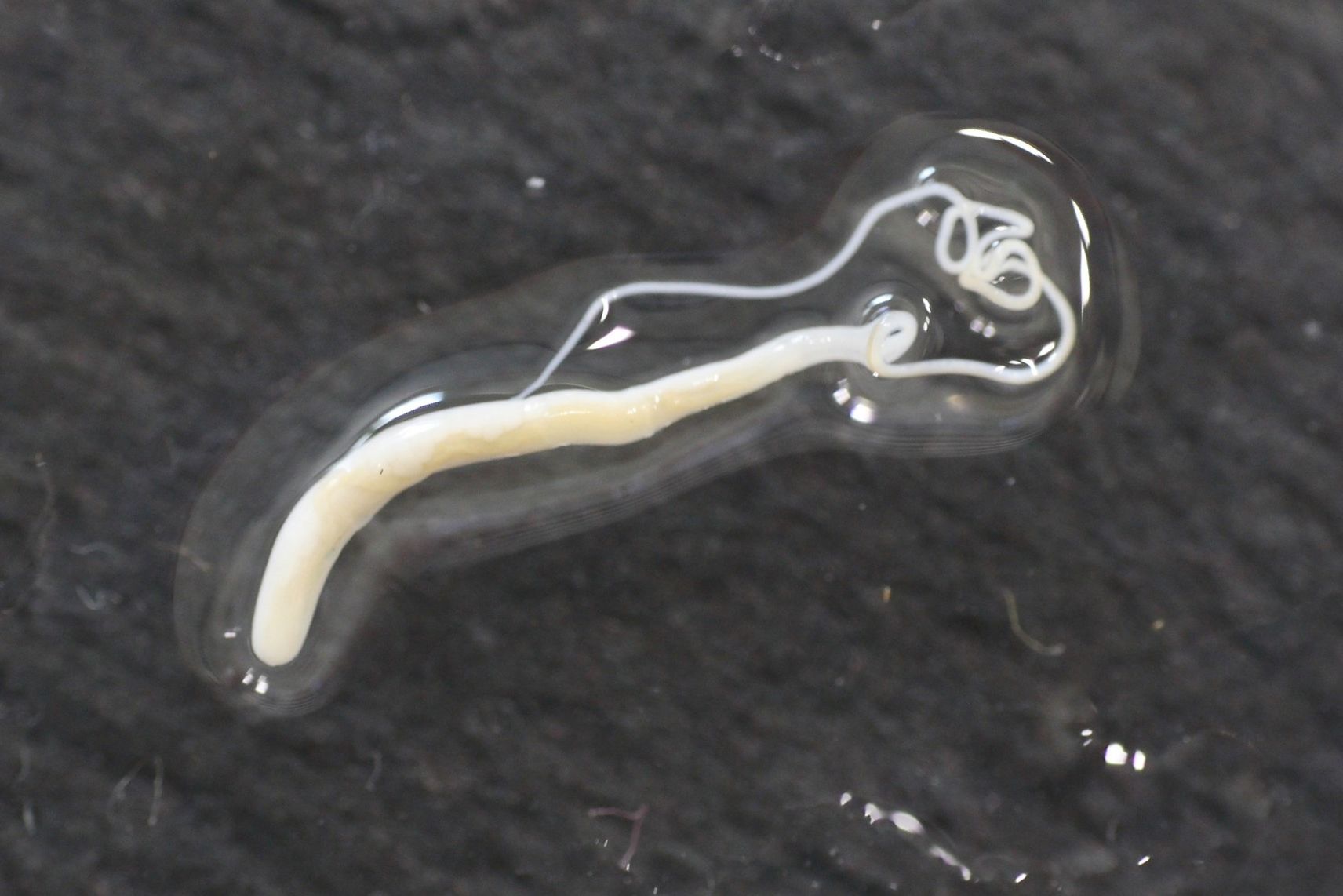
Clinical development of emodepside for soil-transmitted worm infections
We're advancing the first new treatment in decades for soil-transmitted helminths. Our Phase II trials – published in the New England Journal of Medicine (2023) and The Lancet (2024) – showed that emodepside, previously used only in veterinary medicine, is safe and effective against whipworm, a parasite notoriously resistant to existing drugs. Phase III trials are ongoing in collaboration with Bayer.
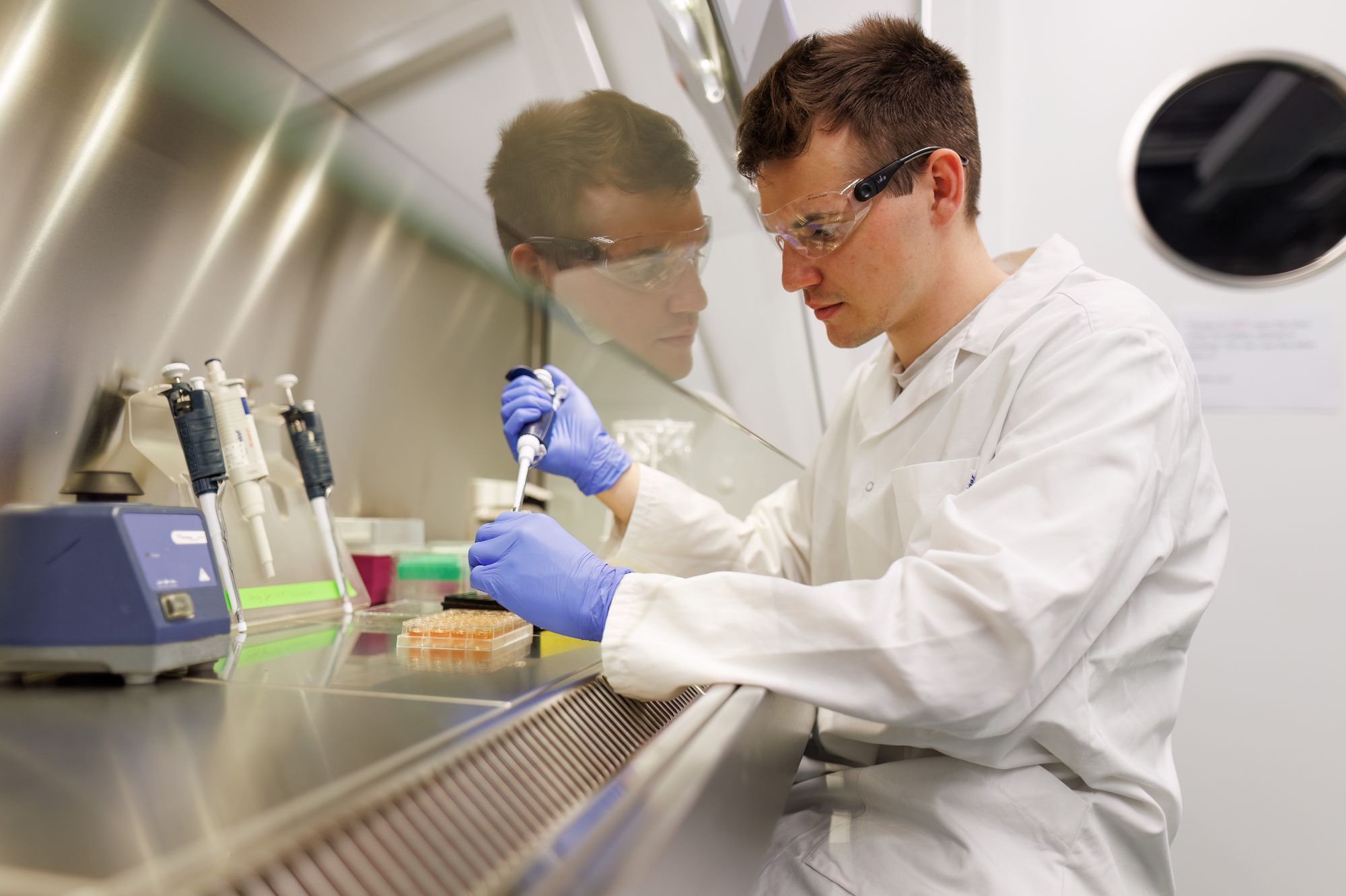
How gut bacteria influence treatment success
Your gut microbiome may determine whether deworming treatment works. Our study in Nature Communications (2022) revealed a strong link between microbiome composition and treatment response against whipworm. Follow-up research in Communications Biology (2024) showed that some deworming drugs have antibiotic effects that could promote bacterial resistance. Our latest work further demonstrates that bacteria exposed to anthelmintic drugs undergo molecular adaptations. Together, these findings help us understand how the microbiome shapes drug effectiveness and how treatment could be improved.

Paediatric ivermectin formulation for neglected tropical diseases
Young children under 15 kg have been left behind – current ivermectin formulations aren't designed for them. We're developing and testing a child-friendly, dissolving tablet through multicountry clinical studies in sub-Saharan Africa. This work responds to WHO priorities for pediatric drug optimization and aims to expand treatment access to the youngest patients. Read more

Improving care for female genital schistosomiasis (FGS)
FGS affects millions of women and girls but remains largely invisible in health systems. This multicountry project tests whether adding anti-inflammatory drugs to standard treatment improves outcomes, develops community-based diagnostic approaches respecting women's dignity, and integrates FGS care into sexual and reproductive health services – aiming for better guidelines, reduced stigma and genuinely accessible care. Read more
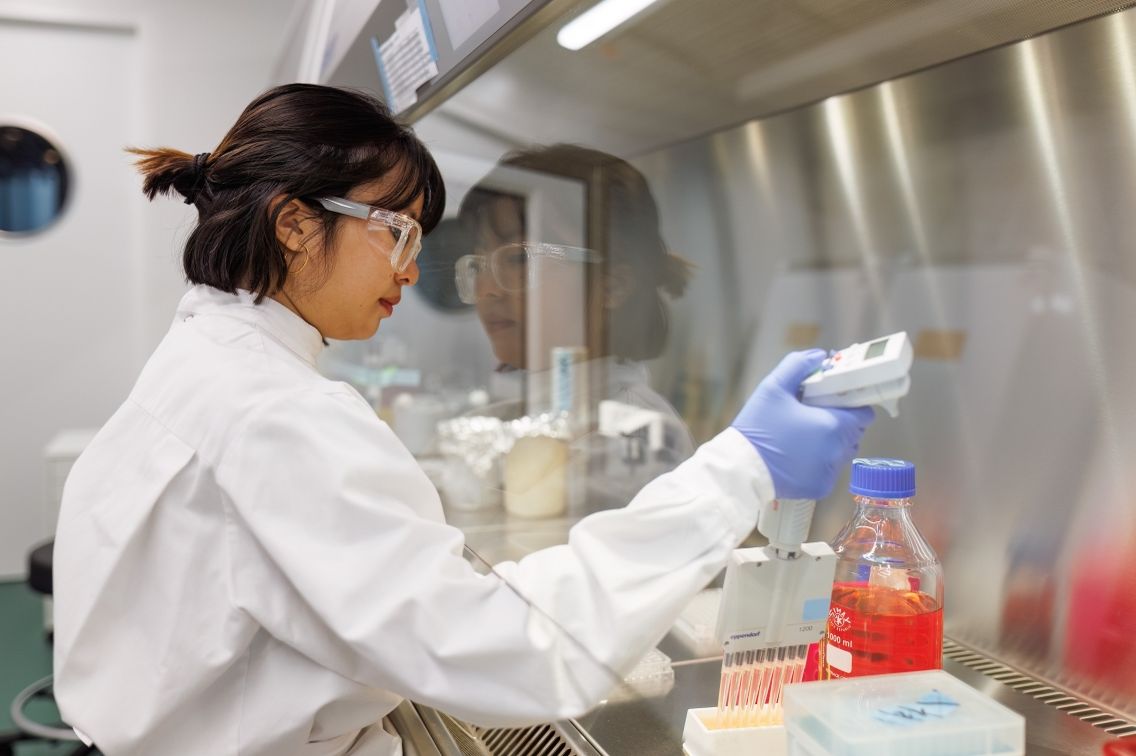
Innovations for helminth vaccines
We're building the pipeline for the vaccines that don't yet exist. The WORMVACS2.0 project brings together controlled human infection studies, cutting-edge immune profiling, and novel vaccine platforms to identify what protective immunity looks like – and how to generate it. Our work includes advancing an mRNA-based schistosomiasis vaccine toward Phase I clinical testing, potentially opening new frontiers in preventing these ancient diseases. Read more
Collaborations and networks
Global health challenges require global partnerships. We work with academic institutions, product development partnerships, industry and research teams in the countries most affected by helminth infections.
Key collaborations include our partnership with DNDi in several EU funded projects, Bayer for the clinical development of emodepside, and our participation in the Pediatric Praziquantel Consortium, which recently achieved a major milestone: the first preschool-aged children receiving treatment with a new child-friendly schistosomiasis formulation in 2025.
Through long-standing partnerships in endemic countries, we conduct clinical trials, epidemiological and transmission studies while strengthening local research capacity – building the infrastructure and expertise needed to tackle neglected diseases at scale.
 Ombeni Ally
 Elizabeth Akyeama Antwi
 Naomi Chi Ndum
 Maude Dagenais
 Julian Dommann
 Jennifer Giovanoli
 Cécile Häberli
 Hannah Jeanguenat
 Jennifer Keiser
 Stefanie Knopp
 Charlotte Krawczyk
 Gordana Panic
 Cäcilia Schmid
 Pierre Schneeberger
 Zac Taylor