

Water, Sanitation and Hygiene

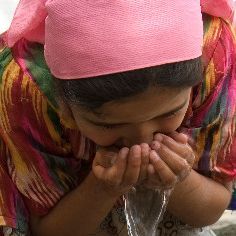
Swiss TPH works on aspects of water, sanitation and hygiene (WASH) in countries where drinking water is scarce and where poor hygiene is a leading cause of infectious disease. WASH plays a major role in integrated approaches to fight helminth infections in Africa and Asia. Moreover, experts improve sanitation facilities in health centres or schools, teach pupils or household members in questions related to food and kitchen hygiene or assess people’s health risks arising from contaminated water bodies.

Legionnaires’ Disease in Switzerland

Legionnaires’ disease (LD) is a severe form of pneumonia. n the past 7 years, the number of reported cases has more than doubled, reaching an annual incidence of 7.8 cases per 100'000 population in 2021. Identifying the main drivers of infection will be crucial to facilitate targeted prevention and control efforts. Swiss TPH is conducting the first national study on LD in Switzerland, investigating host, behavioural and environmental risk factors for community-acquired LD. and the prevalence and virulence of different Legionella strains detected across Switzerland. Read more about the SwissLegio study
Hand Hygiene, Water Quality and Sanitation in Primary Health Care Facilities and Schools

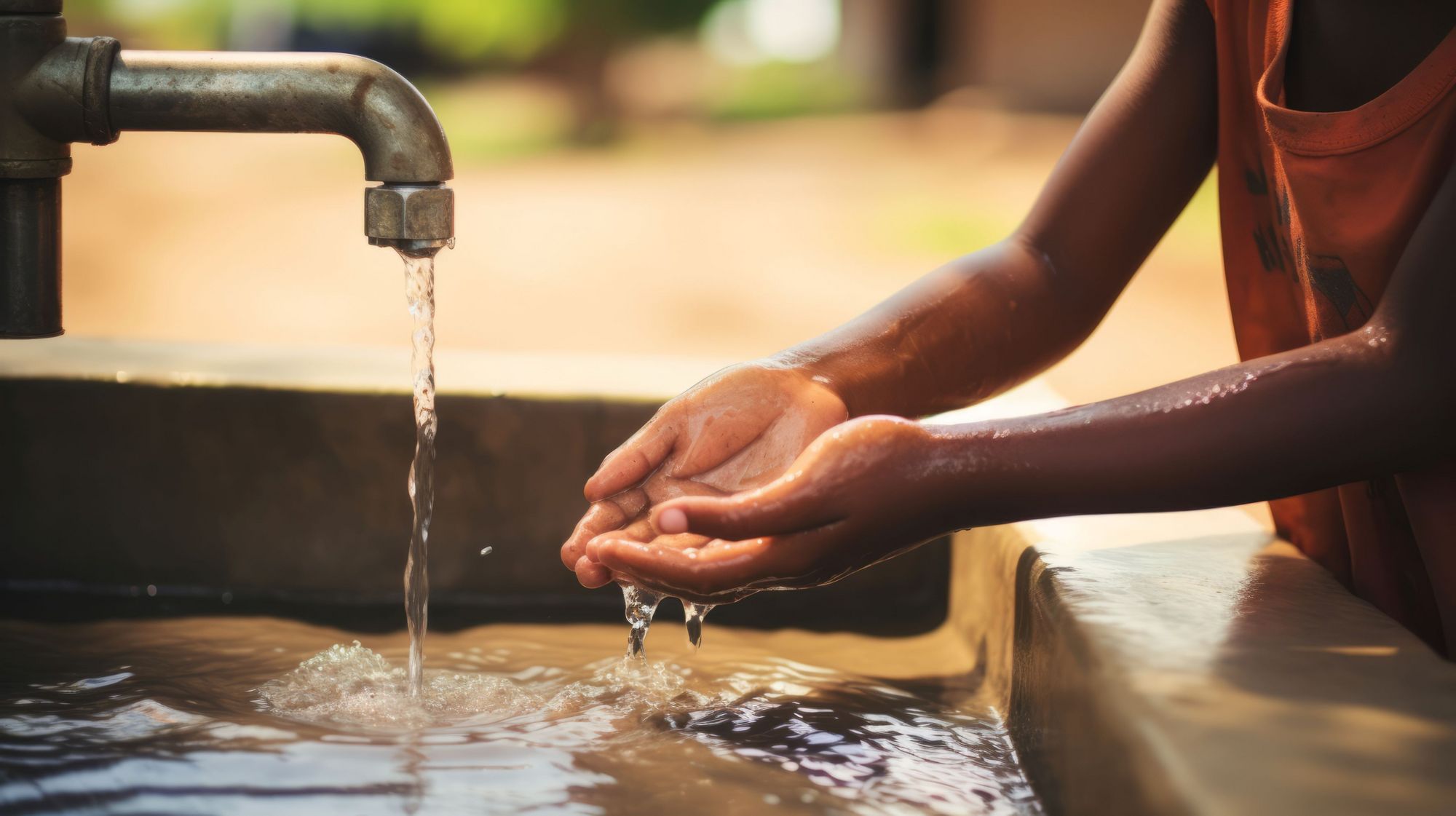
Current technologies and approaches to improve water, sanitation and hygiene are fragmented. Hands4health focuses on the development, testing, evaluation and scaling up of new water efficient hand washing technologies as well as on a holistic approach to hand hygiene, water quality and sanitation. To leave no one behind, the project works in primary health care facilities and schools not connected to a functional water supply system in in four target countries and beyond. Read more

Most people in rural Tanzania are dependend on public wells.

From Safe Drinking Water to Better Health

MSABI (maji safi kwa Afya Bora Ifakara!) is an NGO based in Ifakara in Tanzania. It develops and maintains water pumps and provides hygiene awareness programmes for villagers in the Morogoro region. It was awarded the “International ReSource Award for Resilience in Water Management 2016”. Swiss TPH is one of the strategic partners of MSABI and acts as scientific and public health advisor. The institute also supports MSABI in measuring the health impact of its intervention programmes in the areas of water, sanitation and hygiene.

Swiss TPH works towards bilharzia elimination on Zanzibar.

Towards Bilharzia Elimination in Zanzibar and Pemba

Swiss TPH supports the government of Zanzibar to eliminate bilharzia in Zanzibar and Pemba islands. During a five-year study, experts diagnose and treat schoolchildren in 45 communities. They reduce the snail population acting as intermediate hosts and regularly assess changes in water and sanitation infrastructure. The study is likely to offer new insights into what has to be done to ultimately eliminate bilharzia disease apart from preventive chemotherapy only.

The lack of latrines is a major cause of helminth infections in Lao PDR.

Latrines Protect the Rural Population in Lao PDR

Large parts of the rural population in Lao PDR suffer from chronic helminth diseases caused by a lack of sanitary facilities. People swim and wash themselves in stagnant water and fall victim to schistosomes the parasites causing bilharzia. Together with Laotian researchers, Swiss TPH showed that latrine building drastically reduces the infection with schistosomes.

Swiss TPH Meeting the Sustainable Development Goals

Ammann P et al. Beyond human health – exploring farmers' perspectives on pesticides in Swiss agriculture. J Rural Stud. 2026;122:103995. DOI: https://doi.org/10.1016/j.jrurstud.2025.103995

Ammann P et al. Depression and anxiety symptoms in male and female farmers: association with farm characteristics and mental health protection strategies in the FarmCoSwiss cohort. BMC Public Health. 2026;26(1):101. DOI: 10.1186/s12889-025-25407-z

Bolt H.L et al. Bioactive peptoids against vector-borne parasitic diseases. Bioorg Med Chem Lett. 2026;131:130457. DOI: 10.1016/j.bmcl.2025.130457

Brady S.P et al. Physiological markers of early social skills in rural South Africa: the role of frontal alpha asymmetry and heart rate variability. Dev Psychobiol. 2026;68(1):e70115. DOI: 10.1002/dev.70115

Brulé G et al. Can One Health help reduce the environmental impacts of the healthcare system in Switzerland? Insights from an interdisciplinary focus group. Ethics Med Public Health. 2026;34:101227. DOI: 10.1016/j.jemep.2025.101227

Buziashvili M et al. Analysis of tuberculosis preventive treatment cascade among people with human immunodeficiency virus in Georgia: a mixed-methods study. Open Forum Infect Dis. 2026;13(1):ofaf768. DOI: 10.1093/ofid/ofaf768

Dietsche S et al. Assessing DSM-5 criteria of somatic symptom disorder in medically hospitalized inpatients: a cross-sectional analysis. Gen Hosp Psychiatry. 2026;99:6-15. DOI: 10.1016/j.genhosppsych.2025.12.023

Evangelopoulos D et al. Exposure measurement error in air-pollution epidemiology and its determinants: results from the MELONS study. Int J Epidemiol. 2026;55(1). DOI: 10.1093/ije/dyaf214

GBD 2023 Child Growth Failure Collaborators. Quantifying the fatal and non-fatal burden of disease associated with child growth failure, 2000-2023: a systematic analysis from the Global Burden of Disease Study 2023. Lancet Child Adolesc Health. 2026;10(1):22-38. DOI: 10.1016/s2352-4642(25)00303-7

Hamelin B et al. Unbiased DNA pathogen detection in tissues: real-world experience with metagenomic sequencing in pathology. Lab Invest. 2026;106(1):104254. DOI: 10.1016/j.labinv.2025.104254