
Disease Modelling
The Disease Modelling group develops and uses approaches in computational sciences, statistics and mathematical modelling to understand and address contemporary issues in infectious diseases and global health. We primarily work in the areas of malaria, other vector-borne and zoonotic diseases.
We are an interdisciplinary group of researchers that apply mathematical, statistical and computational models to understand disease and to inform public health decision-making. We design data-informed models covering aspects of vector life-cycles, environmental factors, human behaviour and cultural practices, health systems access and intervention effects on disease dynamics and transmission.
Understanding disease dynamics and informing decision making
We use these models to understand disease dynamics and transmission, and to estimate impacts of health interventions at individual or population level in the context of real-world health systems. We contribute epidemiological insights and evidence to inform public health decision making. We aim to increase the impact of interventions to eliminate, prevent and treat infectious diseases. We work closely with other research institutions in Switzerland and abroad, as well as global health donors and public health policy stakeholders.

Selected projects
Tracking Tails
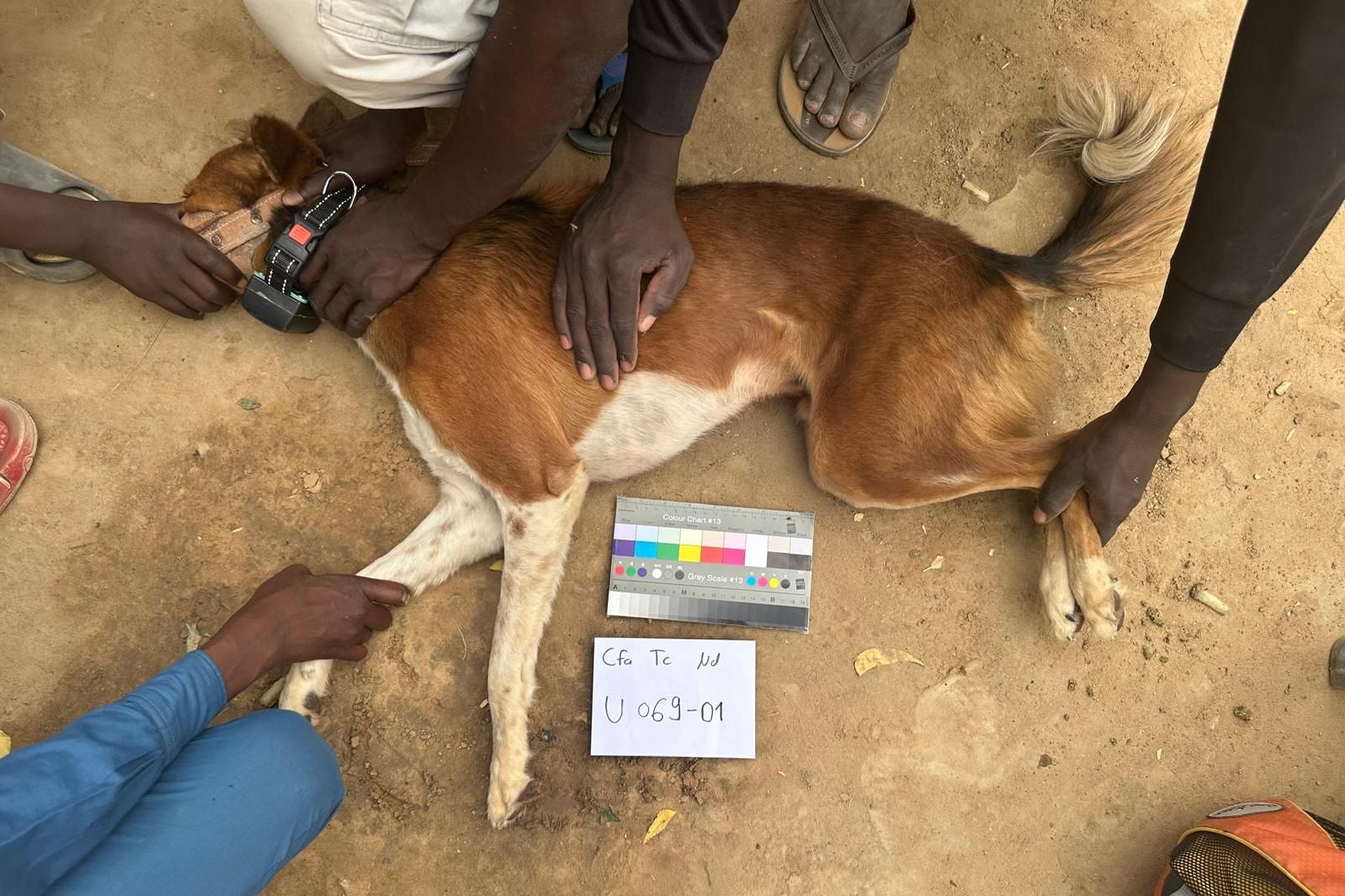
The overall objective of this interdisciplinary project between the University of Berne, the Centre Suisse des Recherches Scientifiques en Côte d’Ivoire and Swiss TPH is to characterize human-dog-environment interactions and their socio-cultural and environmental drivers; and to develop mitigation strategies for canine infectious disease burden to promote animal and human health. We will focus on free roaming owned domestic dogs and community dogs in Uganda, Chad, Indonesia, and India. These are the dogs most relevant for disease spread and potential transmission to humans because they are neither feral, nor fully confined. → Read more
OpenMalaria
Significant progress in malaria control has been achieved through expanded vector control interventions, yet major challenges persist. Funding and coverage gaps, growing insecticide and drug resistance, declining intervention effectiveness, invasive mosquito species such as Anopheles stephensi, and climate variability all threaten progress. Changing epidemiological and immunological patterns further complicate control efforts, highlighting the need to deploy existing tools more strategically and develop new, more effective ones.
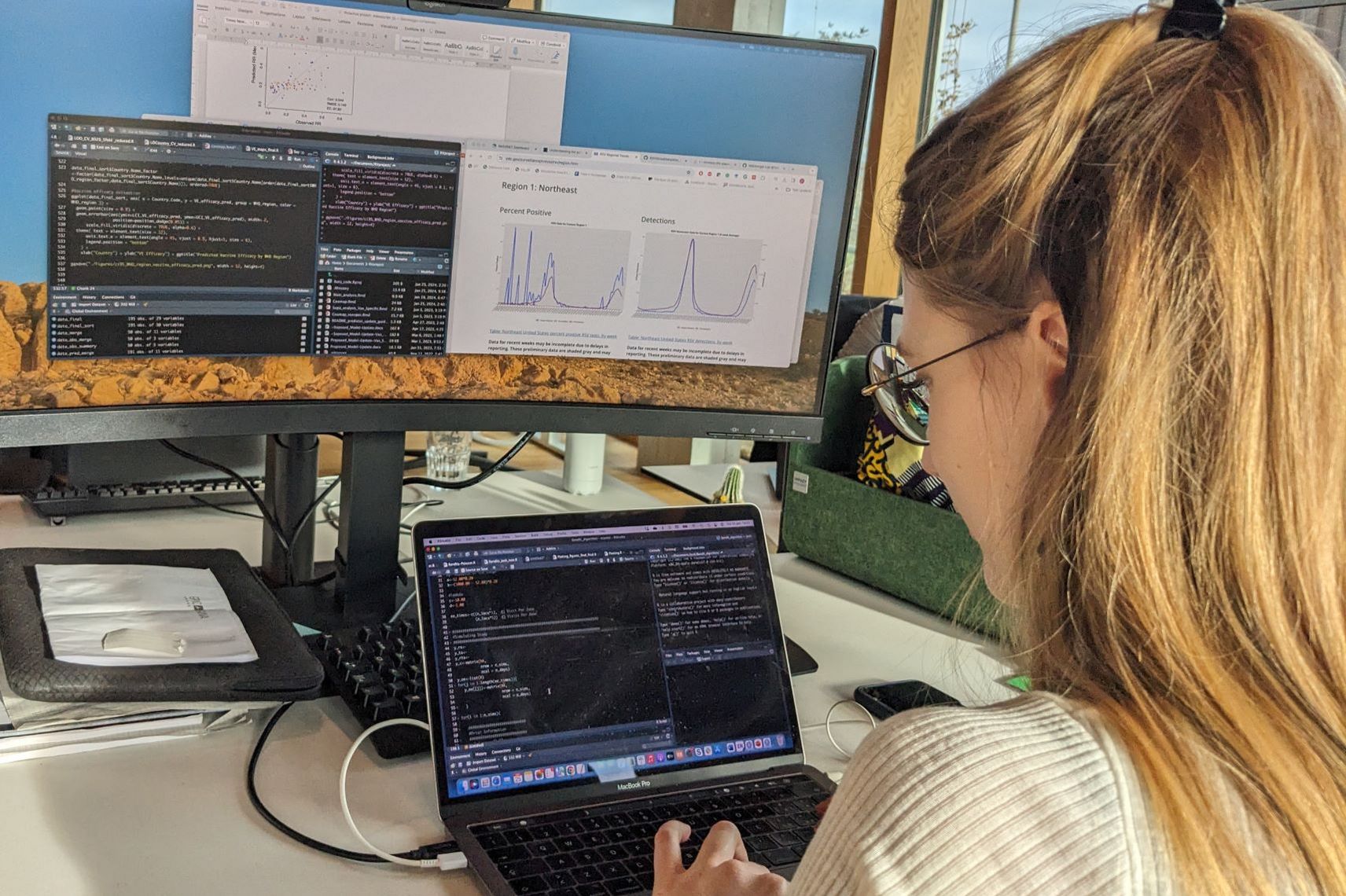
Mathematical and statistical modelling is essential for guiding these strategies, but current models often fail to capture the complexity of malaria transmission, resistance dynamics, and climatic influences. This research project aims to strengthen evidence-based decision-making and investment planning by advancing accurate, accessible, and policy-relevant models. The primary outcome is greater availability and use of robust modelling tools and expertise in endemic countries, supported by improved versions of the open-source platform OpenMalaria. → Read more

Acclimatise
Significant investments in malaria interventions in the early 21st Century have reduced malaria burden. Contemporaneously, the climate has continued to warm with associated changes in rainfall and weather extremes, which vary year to year and exhibit decadal climate variability. Together these impact malaria transmission through the climate sensitivity of the parasite and its mosquito vector. Hence, climate change can either enhance or offset the impact of malaria interventions. Conversely, interventions can be deployed to mitigate the effects of climate, for instance to prevent outbreaks at higher altitudes. Ignoring the confounding effects of climate can result in the impact of interventions being over or underestimated. Equally, neglecting the impact of interventions would render attribution of malaria outbreaks to anthropogenic climate inaccurate. ACCLIMATISE combines modelling and observations to differentiate the climate signal from that of interventions and other environmental and socioeconomic changes, so that a cost-benefit analysis can fairly assess the efficiency of interventions. We use counterfactual simulations to attribute anthropogenic climate change in malaria trends in endemic settings, as well as extremes in highland areas and the monsoon fringe with a range of intervention scenarios. An AI-emulator will be co-designed with stakeholders to assess efficient intervention strategies in the present and near future to 2050. → Read more
IVCC ModNet
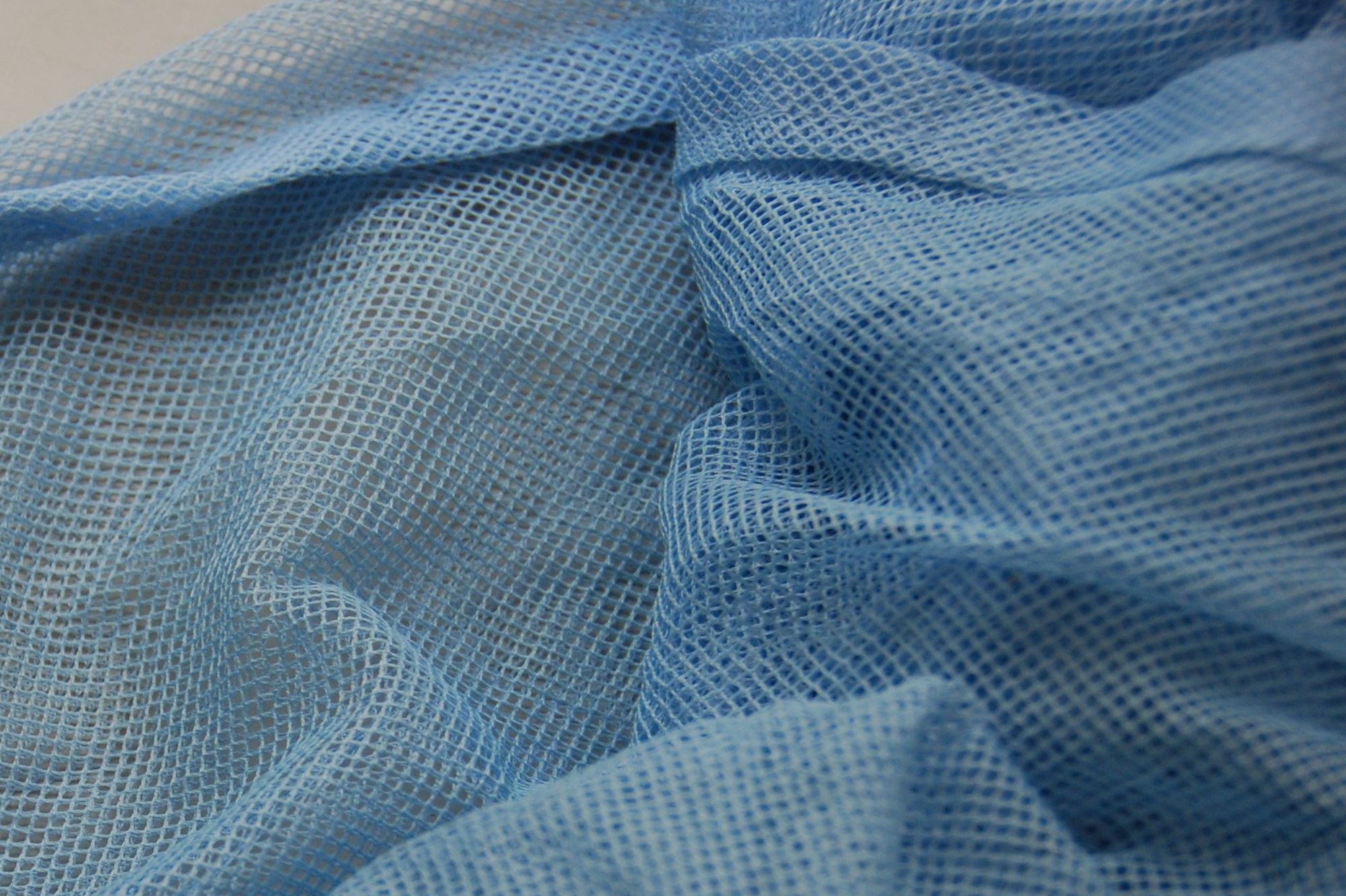
The Innovative Vector Control Consortium (IVCC) Modelling Network, supported by Swiss TPH, aims to strengthen IVCC’s product development and deployment of vector control tools such as insecticide treated nets (ITNs), attractive targeted sugar baits (ATSBs), and spatial emanators (SEs). It will guide strategies for insecticide resistance management (IRM), integrated vector management (IVM), and product cost analysis. The network’s overarching goals are to understand the impact of interventions on disease transmission, assess their cost-effectiveness, and evaluate their influence on resistance prevention. Using Swiss TPH’s existing mathematical modelling framework – with adjustments as needed – the project will address a range of research questions and remain responsive to IVCC’s evolving needs in product design, testing, and market analysis. → Read more
 Alonso Bussalleu
 Aurélien Cavelan
 Nakul Chitnis
 Inez Derkx
 Daria Hofer
 Anne Jacobs
 Alexis Martin
 Pablo Martinez de Salazar
 Thiery Masserey
 Fabian Schär
 Taru Singhal