
SOPHYA: How physically active are Swiss children and adolescents?
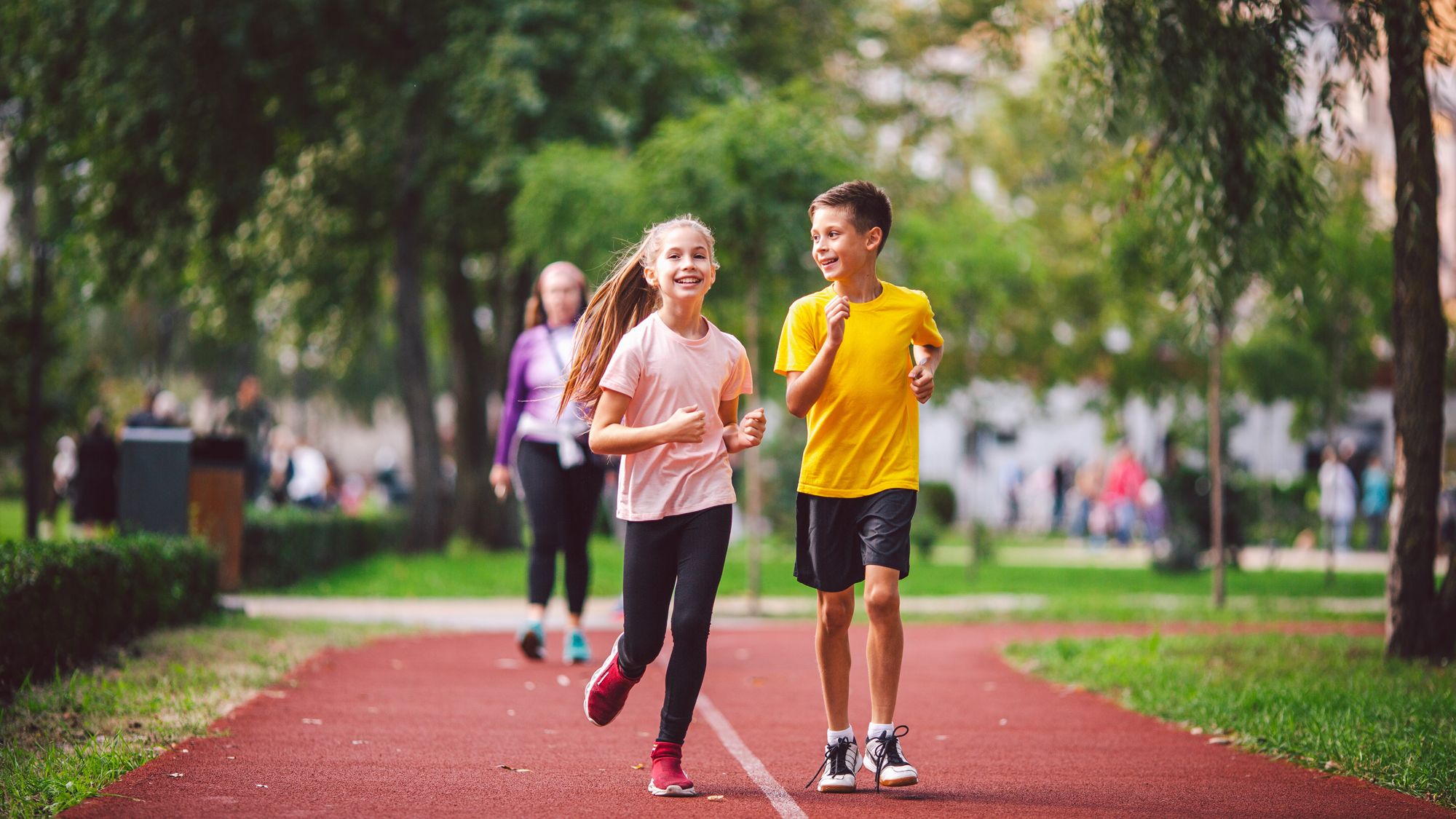
SOPHYA (Swiss children’s Objectively measured PHYsical Activity) is a national cohort study led by Swiss TPH that examines how children and adolescents in Switzerland move in their daily lives and how activity patterns evolve from childhood to young adulthood. As the first nationwide long-term study to objectively measure physical activity while simultaneously assessing influencing factors such as sports participation, family, lifestyle and living environment, SOPHYA provides robust evidence on the short- and long-term drivers of children’s and adolescents’ activity and sport behaviour to inform policies and programmes. This high-quality dataset supports policies and programmes that promote physical activity and long-term health.
Why this matters
Physical inactivity among young people is a major risk factor for non-communicable diseases later in life. Understanding how environments, family life, and social contexts shape activity levels is essential for designing effective interventions.
What We Did
SOPHYA (2014–2015)
The study recruited a nationally representative stratified random sample of Swiss children and adolescents, aged 6 to 16, from which 1,320 participants ultimately provided valid baseline accelerometer data and formed the analytical cohort. Physical activity was measured device-based using accelerometers worn for one week, complemented by detailed information on family, neighbourhood environment, participation in organised sport, and health factors
SOPHYA-2 (Follow-up)
The original cohort was followed up five years later to examine how activity patterns change during adolescence and early adulthood. In 2019/2020 the SOPHYA cohort was enlarged by a new sample of 5- to 10-year-old children. They were recruited via registry data. Instead of a telephone interview, the parents filled in an online questionnaire. Apart from that, the design was identical to that described for the original SOPHYA cohort. SOPHYA-2 is now finalised and no data collection is currently ongoing, although the cohort can be reactivated for future follow-ups if funding becomes available.
Key findings
- Physical activity declined with age, but not for all children. Organized sport participation helped to counteract the age-related activity decline.
- Children who were less active early in life were less likely to join or stay in sport clubs or remain active later on.
- Girls and young women (especially with migrant background) were less active than boys, with large differences in everyday activities such as cycling and sport club participation.
- Parental activity was linked with children’s activity, even in the long-term
- Leaving school was associated with leaving sports clubs.
- Socio-economic status had little effect on measured habitual activity but did affect sports club participation; voluntary school sports and scouts reached all groups. At the same time, socioeconomic disadvantage became more relevant when combined with environmental barriers—children from lower-income households living in less activity-friendly neighbourhoods were more likely to remain less active over time.
- Activity-friendly environments (better perceived safety, aesthetics, green space access and objectively measured lower main street density and more green space) supported long-term activity, while less supportive environments had lasting negative effects.
- Physical activity was linked to improved quality of life cross sectionally, but not five years later.
- During the COVID-19 pandemic, younger children maintained activity level compared to pre-pandemic, but girls joined sports clubs later and quality of life declined.
What This Means for Policy and Practice
- Create and protect activity-friendly environments with safe mobility and accessible green spaces to promote unstructured/informal physical activity that facilitates later participation in organised sport.
- Promote early engagement in physical activity (unstructured and organised) to support long-term active behaviour, with a focus on reaching less active children and adolescents.
- Provide opportunities to stay active after leaving school, when many young people drop out of organised sport.
- Strengthen support for girls and young women for unstructured/informal physical activity opportunities but also access to organised sport, especially those with a migration background
- Ensure affordable, inclusive sport opportunities and maintain voluntary school sport as an important offer across socio-economic groups.
- Acknowledge the role of physical activity in promoting overall health, well-being and resilience, including during crises.
Status and Future Perspectives
SOPHYA-2 has concluded, and the most recent analyses are available. The cohort structure remains intact, providing an excellent opportunity for future follow-ups, depending on funding and strategic priorities.
Reports and resources
SOPHYA and SOPHYA-2 Summary Reports (2022)
- Final Report (DE)
- Information Brochure (DE/FR/IT)
Previous materials (2016)
- Final Report (DE)
- Abstract (EN/FR/DE/IT)
- Information Brochure (DE/FR/IT)
Scientific publications
Parents' physical activity and children's physical activity:
Parental modelling has a sustainable effect on offspring’s physical activity: the SOPHYA cohort | BMC Public Health (2025)
Organised sport and physical activity:
Participation in organised sports and longitudinal development of physical activity in Swiss youth: the population-based SOPHYA cohort | Swiss Medical Weekly (2024)
Physical activity and living environment:
Does growing up in a physical activity-friendly neighborhood increase the likelihood of remaining active during adolescence and early adulthood? | BMC Public Health (2024)
Physical activity and quality of life:
Weekend physical activity profiles and their relationship with quality of life: The SOPHYA cohort of Swiss children and adolescents | PLOS One (2024)
Cross-Sectional but Not Prospective Association of Accelerometry-Derived Physical Activity With Quality of Life in Children and Adolescents | International Journal of Public Health (2024)
Quality of life and Covid-19:
COVID-19 pandemic and health related quality of life in primary school children in Switzerland: a repeated cross-sectional study | Swiss Medical Weekly (2021)