
Group | Statistics in Epidemiology
The Statistics in Epidemiology group focuses on the design and analysis of a wide range of studies in epidemiology, including observational studies and trials.
The group operates the data centre for the Swiss Cohort Study on Air Pollution and Lung and Heart Diseases in Adults (SAPALDIA), as well as, more recently, for the COVCO-Basel study. We develop models to study the short- and long-term effects of environmental exposures on population health and support analyses of these cohorts collaborating internationally.
We collaborate with researchers and provide them with statistical support. Our particular interests lie in the analysis of cohorts and applications in non-communicable and infectious diseases, such as malaria.
Our group runs statistics courses in the Faculty of Science and contributes to postgraduate courses in the medical curriculum.

Key Projects
SAPALDIA: Swiss Cohort Study on Air Pollution and Lung and Heart Diseases in Adults
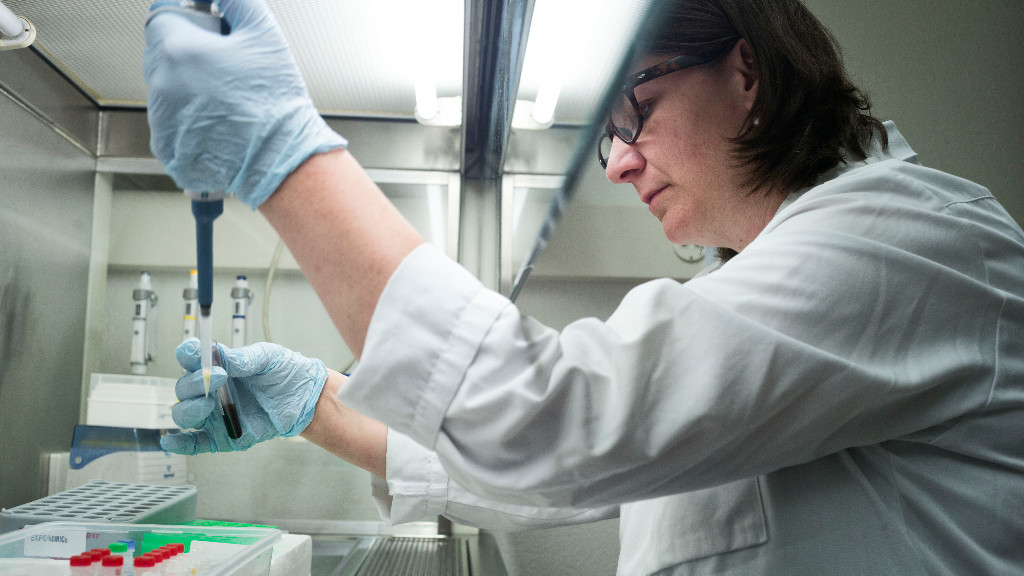
The SAPALDIA cohort investigates since 1991 the effects of life style and environment on the chronic diseases and aging in adults of the Swiss general population. To investigate causal biologic mechanisms a systematic prospective collection of population-based blood samples was started and the SAPALDIA biobank was established. SAPALDIA is one of the very few population-based adult longitudinal cohort studies in Europe examining the exposome of cardio-respiratory disease, multi-morbidity, and also healthy aging. Read more

Exposome Powered Tools for Healthy Living in Urban Settings
By studying the impact of the Urban Exposome on the major contributors to Europe’s burden of disease: Cardio-Metabolic and Pulmonary Disease, the EXPANSE project will address one of the most pertinent questions for urban planners, policy makers, and European citizens: “How to maximize one’s health in a modern urban environment?” Read more

Visual Analysis of Long Lasting Insecticidal Nets to Maximise Universal Access
Long-lasting insecticidal nets (LLINs), or bed nets, are the mainstay of malaria control. However, more than 50% of people living in endemic areas are currently unprotected because LLINs often wear out sooner than their expected lifespan. The goal of the ViALLIN MUsAcc project is to develop a digital tool enabling national malaria control programmes to improve planning for programmatic LLIN distribution, monitoring of LLIN quality and selection of the best product for use according to contextual settings. Read more