
Environmental Exposures and Health
The environment may affect our health and well-being in a positive and negative manner. Typical environmental exposures throughout our lives include pollutants in the air we breathe, green space in our living environment, transportation noise, radiation, or electromagnetic fields generated by our devices.
Our research focuses on identifying, measuring and characterising the health effects of noise, ionizing and non-ionizing radiation, air pollution, chemicals, and climate-related stressors. By combining rigorous exposure assessment with epidemiological studies and health risk assessment, we generate evidence to inform environmental health policy, prevention strategies, and regulatory decision-making.
Our research focus
Assessing environmental and physical exposures
We develop and apply methods to assess individual and population-level exposure to various environmental factors. Our work spans electromagnetic fields from use of wireless communication and electricity, ionising radiation, noise, ambient and indoor air pollution, and chemicals in drinking water or the environment. Accurate exposure assessment is fundamental to understanding health effects.
Investigating exposure-related health outcomes
To investigate the associations between environmental and physical exposures and health outcomes, we conduct epidemiological studies across the life course – from children and adolescents to adults. Our research addresses cancer risk, respiratory and cardiovascular disease, neurodevelopmental and neurodegenerative effects, behavioural changes, sleep disturbances and health-related quality of life.
Evaluating public health relevance through evidence synthesis
We conduct health impact assessments, systematic reviews, and meta-analyses to evaluate the public health impact and burden of environmental exposures. Our work supports evidence-based risk assessment and helps to translate scientific findings into regulatory guidance and prevention strategies.

Selected projects
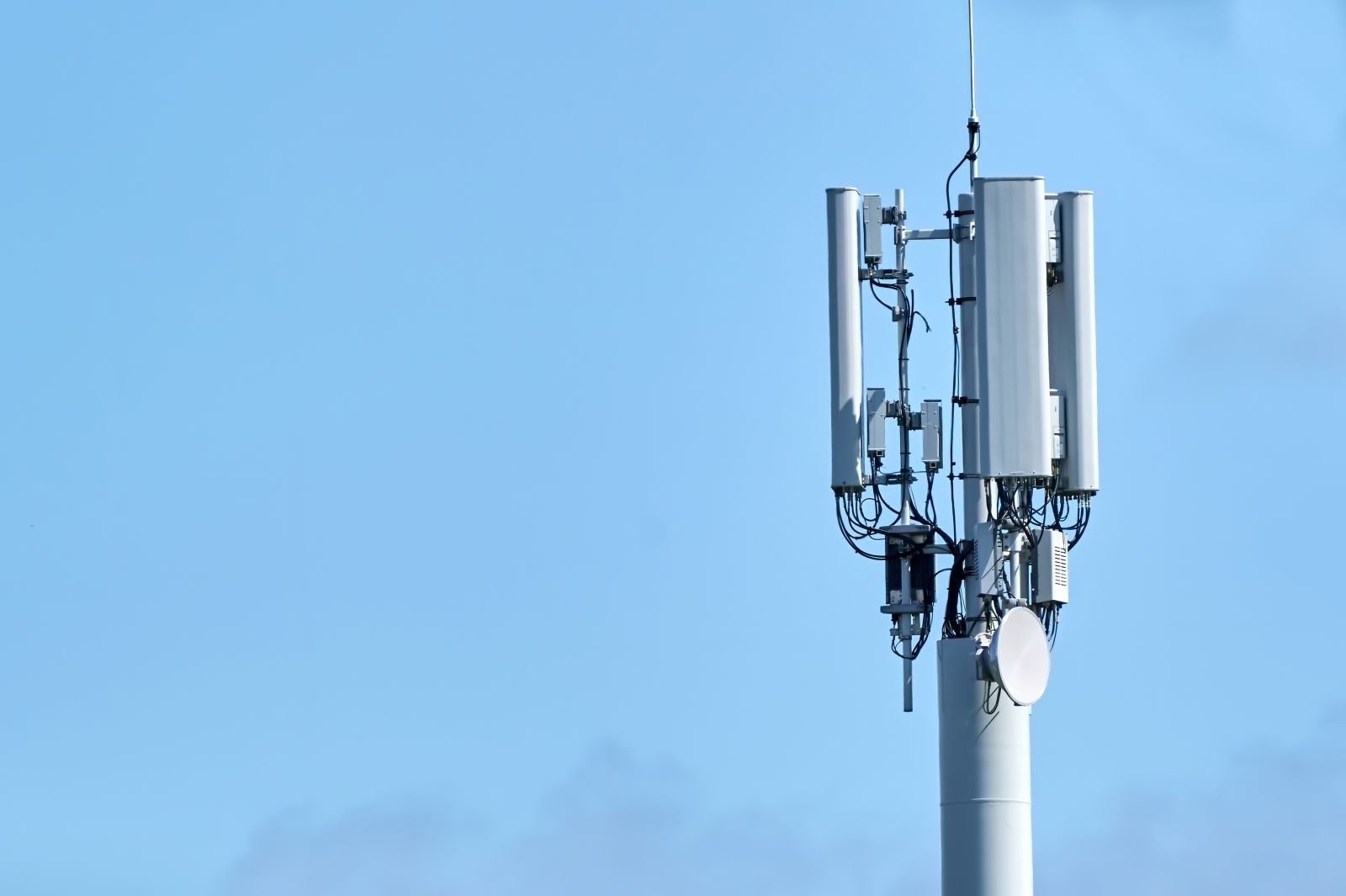
5G exposure, health effects and risk perceptions
The GOLIAT project examines exposure to radiofrequency electromagnetic fields from mobile communication technologies, particularly 5G. Within this framework, Swiss TPH leads the HERMES cohort study, investigating how RF-EMF exposure and eMedia use affect cognition, behaviour, sleep and well-being among adolescents in Switzerland. Read more
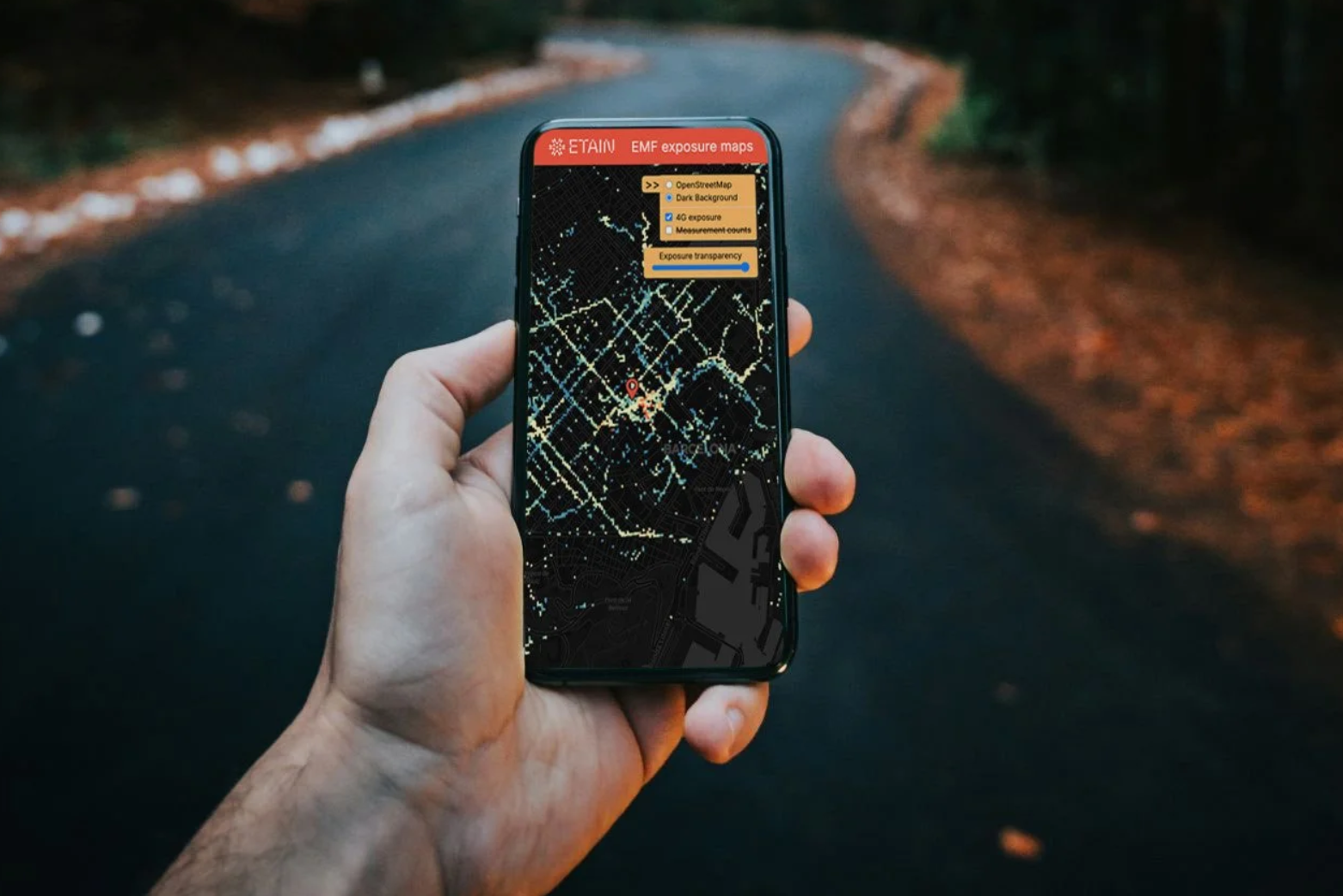
Impact of RF-EMF exposure on planetary health
The interdisciplinary research project ETAIN takes a planetary health perspective on electromagnetic field (RF-EMF) exposure from current and emerging wireless technologies. It develops tools such as an open-access Citizen Science smartphone app to map and model exposure across Europe and explores biological effects on humans and insects, including skin, eyes and pollinators. The findings will inform health, environmental and regulatory policies. Read more

Urban air and noise pollution, health impacts and digital twins
HARMONIE, an interdisciplinary research project, supports evidence-based urban policy by combining air and noise pollution monitoring, exposure modelling and health impact assessment. The project integrates real-world studies in European cities with digital twin approaches to assess population exposure, quantify health impacts and evaluate the potential effects of urban policy interventions, with a focus on vulnerable populations. Read more
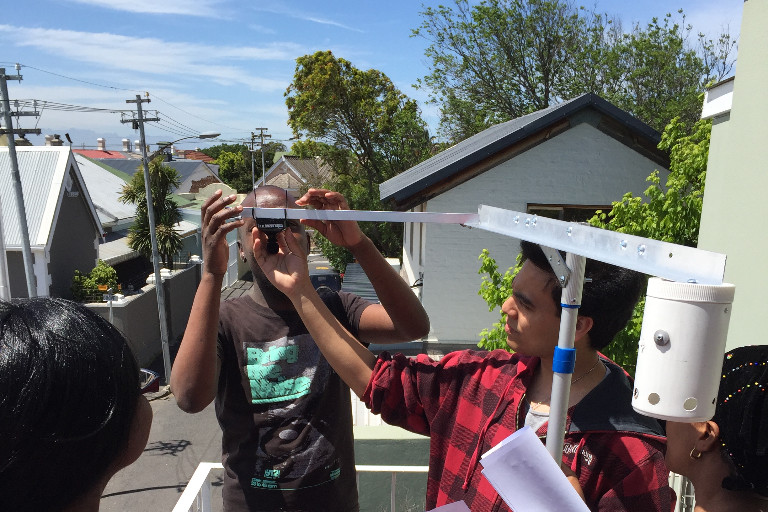
Joint South Africa–Swiss chair in global environmental health
This bilateral research programme investigates environmental health risks in South Africa, including pesticide exposure, air pollution, water and soil contamination, and climate-related health impacts. Through cohort studies and ecosystem-based assessments in the Western Cape, the collaboration generates evidence to inform public health and environmental policy. Read more
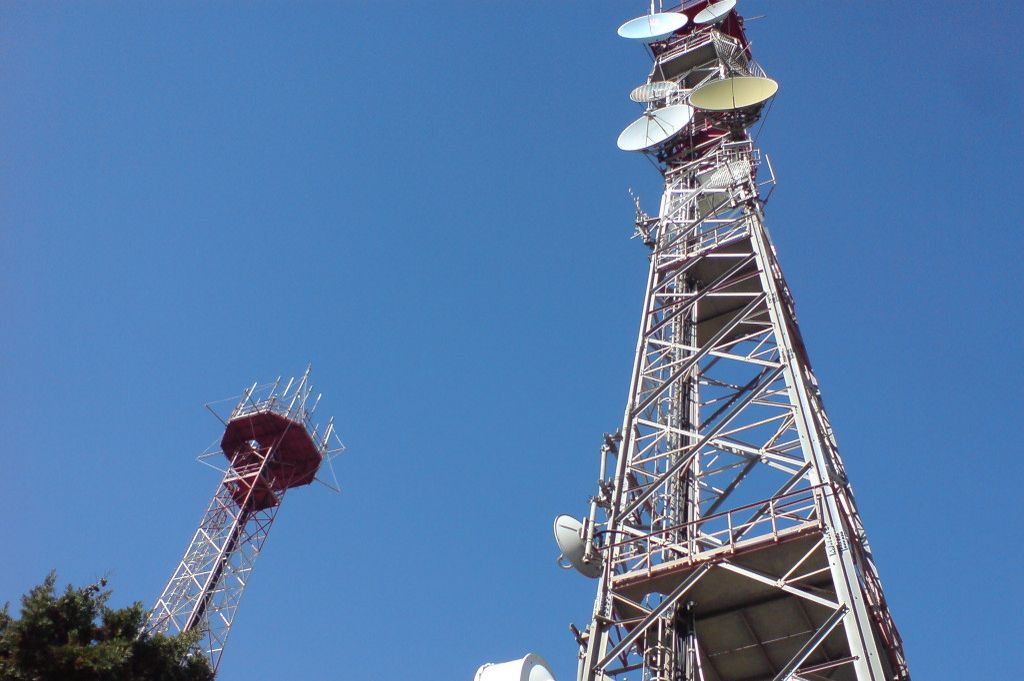
Electromagnetic fields exposure monitoring in Switzerland
The SwissNIS study monitors population exposure to extremely low frequency and radiofrequency electromagnetic fields across Switzerland. Using mobile measurements, home assessments and fixed monitoring sites, the project tracks exposure trends in public and private environments and supports national risk assessment and communication. Read more
Collaborations and networks
We work with academic partners, public authorities and international research networks specialising in environmental and physical health. These collaborations include partnerships with universities, regulatory bodies, and interdisciplinary initiatives that address environmental exposures, physical hazards and planetary health, both in Switzerland and internationally. We are part of the European Topic Centre on Human Health and the Environment of the European Environment Agency (EEA) and hold the Joint South Africa–Swiss Chair in Global Environmental Health with the University of Cape Town.
Through these partnerships, we provide scientific evidence to inform policy discussions and support the translation of environmental health research in practice and regulation.
 Adrian Aebi
 Alberto Castro Fernández
 Gaia Corbetta
 Stefan Dongus
 Nicole Engelmann
 Adriana Fernandes Veludo
 Til Hänggi
 Xing Jiang
 Fabrice Keller
 Nicolas Loizeau
 Axel Luyten
 Martin Röösli
 Nekane Sandoval Diez
 Valentin Jaki Waibl
 Irina Wipf