
Society, Gender and Health
Social Determinants of Health are responsible for 30-55% of disease outcomes (source: WHO: Social determinants of health). Various factors such as environmental, economic and political challenges, conflicts and violence, and migration, exacerbate inequalities within societies and between global regions. These disproportionately affect the health and well-being of the most socially, economically and structurally vulnerable humans and lead to an unequal distribution of diseases and healthcare resources. Ongoing transformations, such as rapid aging, increasing digitalization, uncontrolled urbanization and changing lifestyles, affect both society and individuals as a whole. However, their impact and outcome on health varies depending on where people live, their gender, race, wealth, education or legal status.
Improving health for all on a global and local level requires intersectional approaches that address the relationality of these manifold challenges. The Society, Gender and Health group responds to this by conducting high-quality collaborative research with scholars from a wide range of scientific disciplines, such as the humanities, social sciences, medicine and natural sciences, and includes practitioners and diverse non-academic individuals, institutions and communities.
In alignment with the Sustainable Development Goals, our inter- and transdisciplinary research focuses on applicable solutions that are equitable, just and inclusive. The diffusion of innovative technological solutions for health and well-being is often fraught with challenges of access and adaptation, and must be complemented by locally developed and accepted solutions. Recognizing and building on locally available resources and approaches that can be leveraged for sustainable health by individuals, households, communities and health systems is key to achieving better health for all.
Conceptually our scholars are exploring intersections of pragmatic public health perspectives with reflective social science stances, bringing together epidemiology, clinical medicine, medical anthropology, and sociology.

Selected projects
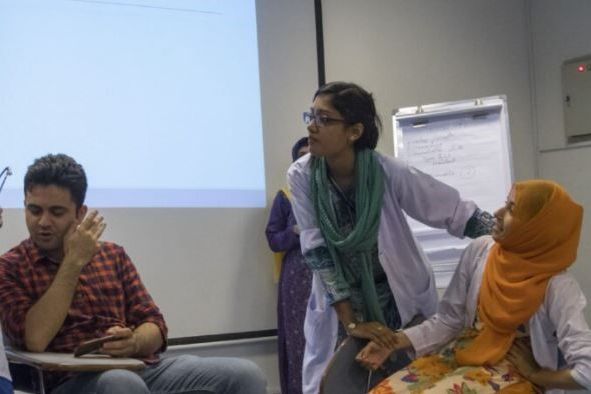
Reducing violence against health care workers
Violence against health care workers (HCWs) deprives thousands of people of their right to health care. This study focuses on the challenge of non-military violence against HCWs in post-crisis humanitarian settings. This study aims to evaluate the effectiveness of a de-escalating violence training for HCWs in combination with an organisational-level intervention that can further contribute to reducing violence. To this end, a community-developed set of rules will be implemented in health facilities and hospitals through a displayed code of conduct. Citizen science and other participatory methods will ensure community engagement and increase trust in HCWs. Read more

Improve safety and hygiene for the benefit of women's health
Safety concerns surrounding menstrual hygiene products have garnered global attention from consumer groups and women’s health activists. Significant initiatives now address menstrual health and related products, particularly in low-income countries. However, we are still facing a dearth of evidence on the health impacts of menstrual products. This project seeks to increase the knowledge on this issue by establishing a comprehensive evidence base on the health effects of various menstrual products on the vaginal microbiome, a gatekeeper of women’s health. To achieve its goals, the research team will examine women’s practices and preferences regarding menstrual hygiene products in Peru, and Cameroon, while conducting a systematic global review to provide context. → Read more
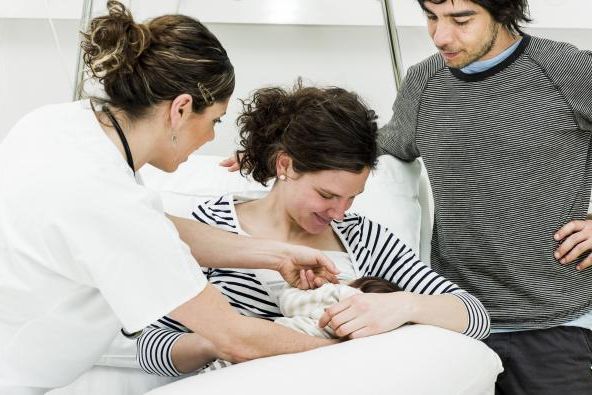
Monitoring of baby friendly hospitals in Switzerland
Since the launch of the Baby Friendly Hospitals Initiative (BHFI) of WHO and UNICEF in 1991, the Baby Friendly Hospitals (BHF) help towards a goof start in life worldwide. In Switzerland, BFH accredited hospitals implemented the Ten Steps to Successful Breastfeeding and adhere to the Code of Marketing of Breast-milk Substitutes (WHO/UNICEF, 2009). Since 2000, data are collected about every mother-child pair and evaluated by Swiss TPH. Within the scope of the monitoring, it could be demonstrated that the proportion of children who only receive breast milk during their hospital stay has increased continuously in certified hospitals. The analysis of national data on breastfeeding (Swiss Infant Feeding Study project) showed that children born in certified hospitals are breastfed longer. Read full article
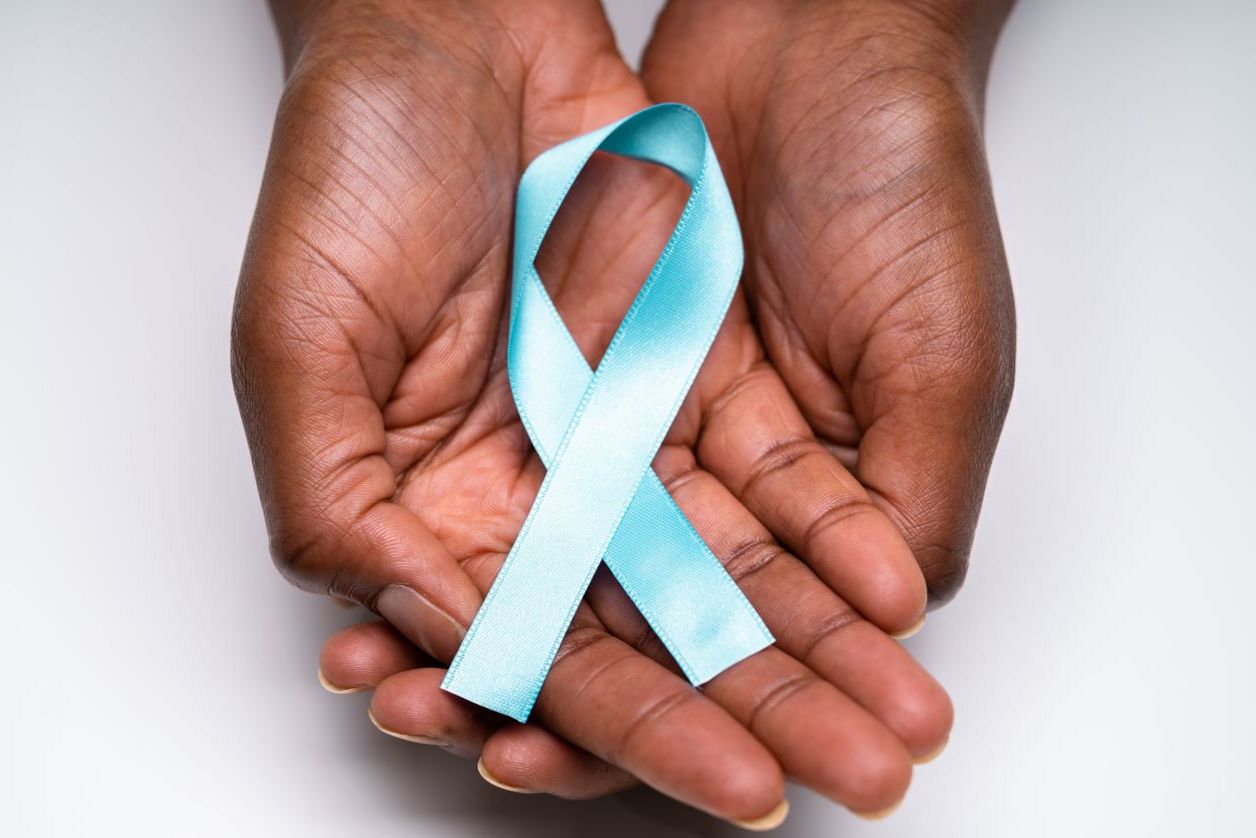
Towards the elimination of cervical cancer
The TRACCTION study aims to understand the cancer landscape in Tanzania and contribute to the elemination of cervical cancer in the country. The mixed-methods study uses a transdisciplinary approach to explore women's perceptions of cervical cancer care, document the cervical cancer care cascade from screening to treatment for women living with and without HIV, and identify demand-side gaps and opportunities to increase uptake of cervical cancer screening and treatment in Kilombero District, Tanzania. Read more
 Sabreen Alnahhal
 Esther Eburi
 Giovanfrancesco Ferrari
 Franc Fritschi
 Kristen Jafflin
 Adriane Martin Hilber
 Sonja Merten
 Suzanne Powell
 Margareth Somba
 Sidika Tekeli Yesil
 Monica Roxana Ticlla Ccenhua
 Christopher Woodrow
 Debora Yesaya