
Unit | Systems Strengthening and Health Promotion
In the context of the drive towards universal health coverage, the Systems Strengthening and Health Promotion unit applies systems thinking to strengthen health systems, and works on questions of the quality and integration of care, human resources, health financing and insurance to reduce the risk of people being left behind.
Given the critical importance of nutrition and the burden of non-communicable diseases (NCDs), we operate according to the principles of Shanghai and “Health for all and all for health in the era of the Sustainable Development Goals”. This includes enabling health equity, facilitating collaboration and good governance, across sectors, building partnerships and promoting health-enhancing factors. These factors span our interactions with the environment, socio-economic and cultural aspects, as well as food marketing and modern lifestyle issues.
Across all our work, we pay particular attention to gender equity, pro-poor practices, and public engagement so as to increase transparency and accountability for service delivery.
Creating healthy cities
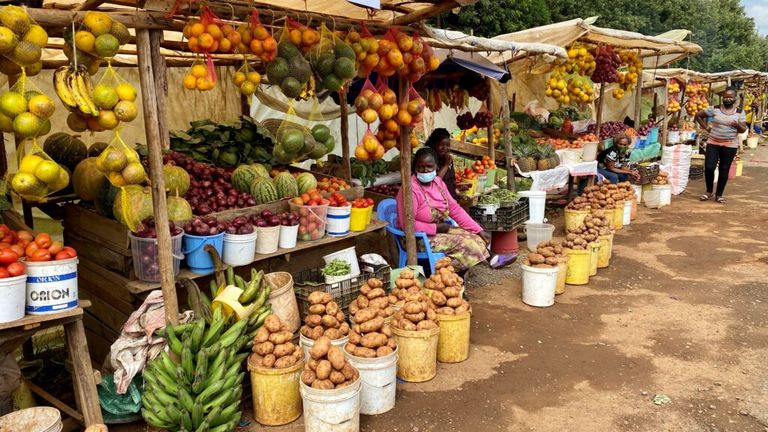
The majority of the world’s poor now live in secondary cities and towns, and this trend is increasing. Urban households living in poverty tend to spend a large proportion of their income on food. By forcing households to substitute nutritious food such as fruits and vegetables with less nutritious, less expensive, and less nutrient-dense staples, food price volatility immediately affects diet quality. In order for consumers in fast growing secondary cities to change their food consumption behaviour towards improved diets and more sustainable food systems, the Swiss Agency for Development and Cooperation’s (SDC) Nutrition in City Ecosystems (NICE) project connects the demand and supply side of food systems, engages women and youth - including through social business models - and builds local governance capacity initially in two secondary cities each in Bangladesh, Kenya and Rwanda.

Tackling non-communicable diseases
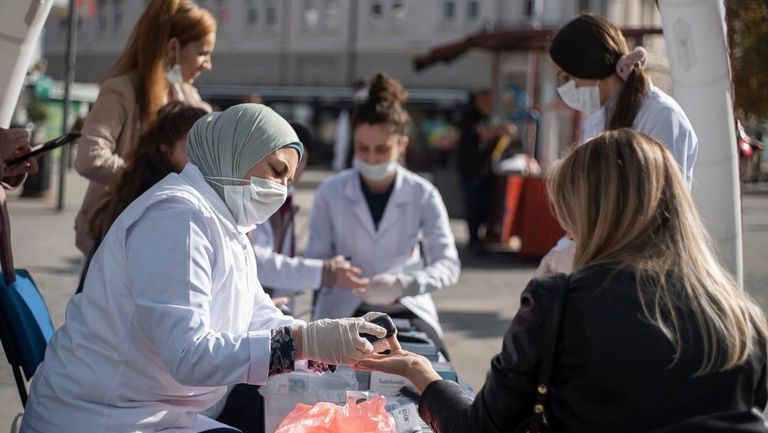
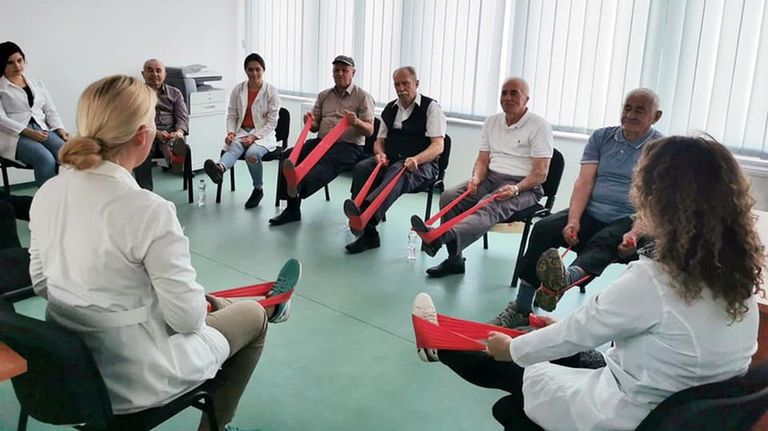
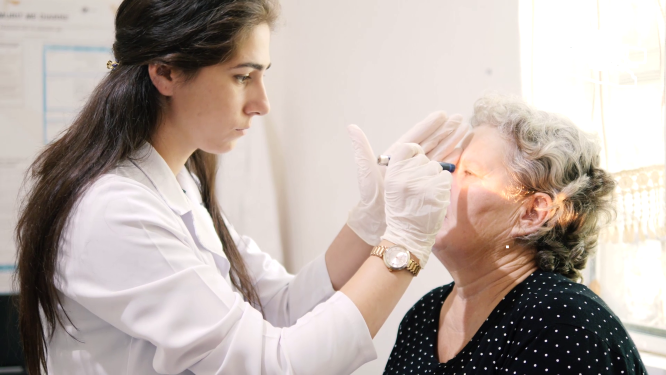
The service mandates on non-communicable diseases focus on policy, institutional and population levels. WHO's people-centred, integrated care approach is at the heart of support to improve primary and secondary health care provision. Considerable attention is paid to disease prevention and health promotion.

Health financing and insurance
With an increasing number of countries establishing Universal Health Coverage goals through pre-payment schemes, Swiss TPH provides support to national and local governments, as well as private and non-governmental organisations, in setting up health financing schemes. This includes feasibility studies, assessments, research, implementation projects and policy advice, especially on health insurance reforms for public, non-profit and private health insurances (including Takaful).
Insurance information systems
Having originally designed and implemented the Insurance Management Information System (IMIS) in Tanzania and subsequently in a number of other countries, Swiss TPH continues to work with the global openIMIS initiative to maintain and develop the tool as a Global Digital Public Good. Swiss TPH provides expertise in health financing process mapping (analysis, design, process reengineering and implementation), change management and policy dialogue to improve insurance information systems. It also provides information system design and implementation, feasibility assessments, impact assessments, training and capacity development, including course development.


 Marine Caillaud
 Robert Cazal-Gamelsy
 Giulia Delvento
 Aktug Demiroglu
 Nicu Fota
 Jean Bernard Gbangou
 Jana Gerold
 Louise-Amélie Hantzsche
 Hélène Kirchhoffer
 Olivier Louis dit Guerin
 Daniella Majakari Bernard
 Barbara Matthys
 Besim Nuri
 Helen Prytherch
 Damien Revault
 Daniel Salunga
 Ragnessi Justin Savadogo
 Cornelia Speich
 Siddharth Srivastava
 Lia Tavadze
 Kaspar Wyss